


Francis Bacon Paintings
Showing 21–40 of 85 resultsSorted by latest
Price range: $3.90 through $74.90
Price range: $3.90 through $74.90
Price range: $3.90 through $74.90
Price range: $3.90 through $74.90
Price range: $3.90 through $74.90
Price range: $3.90 through $74.90
Price range: $3.90 through $74.90
Price range: $3.90 through $74.90
Price range: $3.90 through $74.90
Price range: $3.90 through $74.90
Price range: $3.90 through $74.90
Price range: $3.90 through $74.90
Price range: $3.90 through $74.90
Price range: $3.90 through $74.90
Price range: $3.90 through $74.90
Price range: $3.90 through $74.90
Price range: $3.90 through $74.90
Price range: $3.90 through $74.90
Price range: $3.90 through $74.90
Price range: $3.90 through $74.90
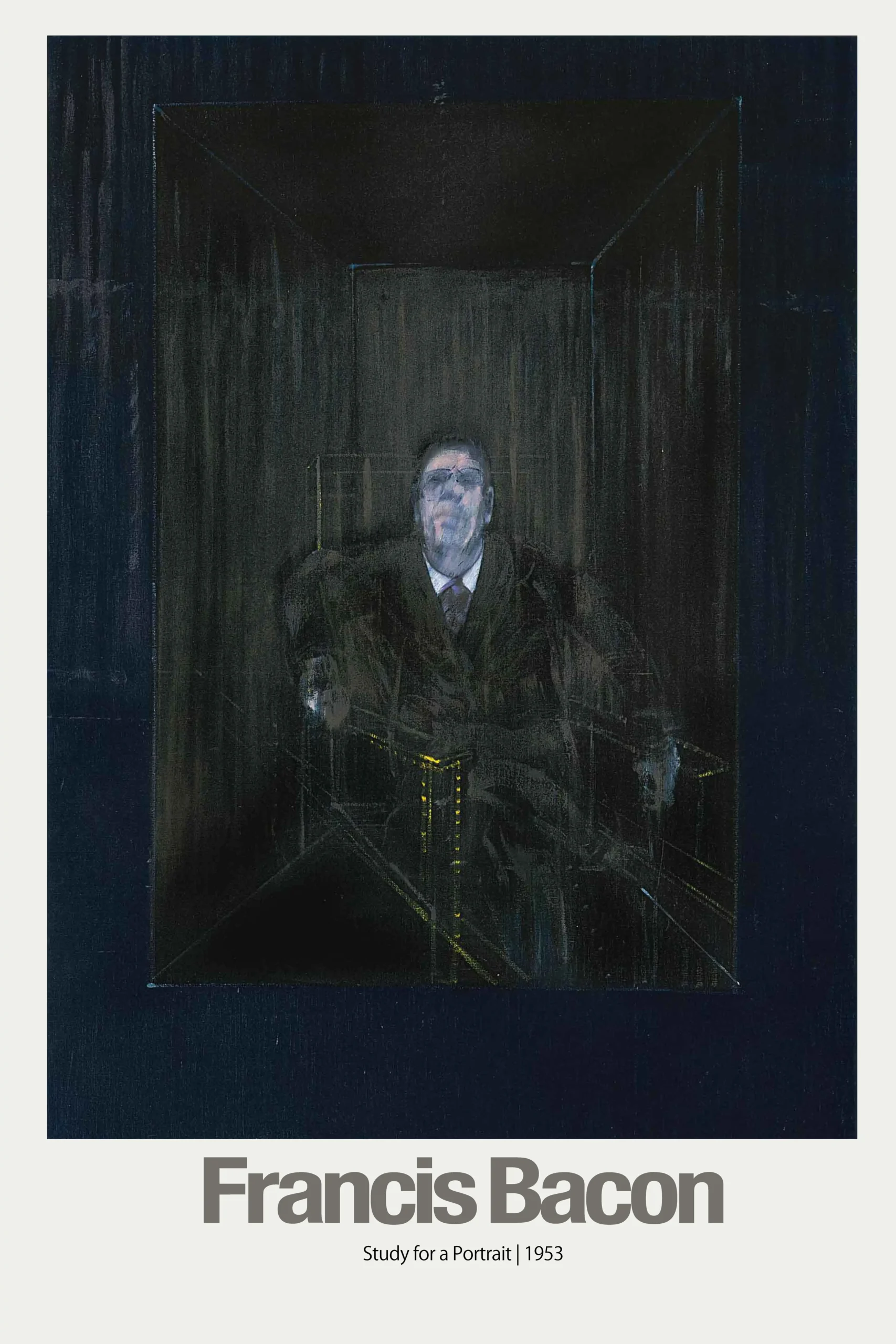
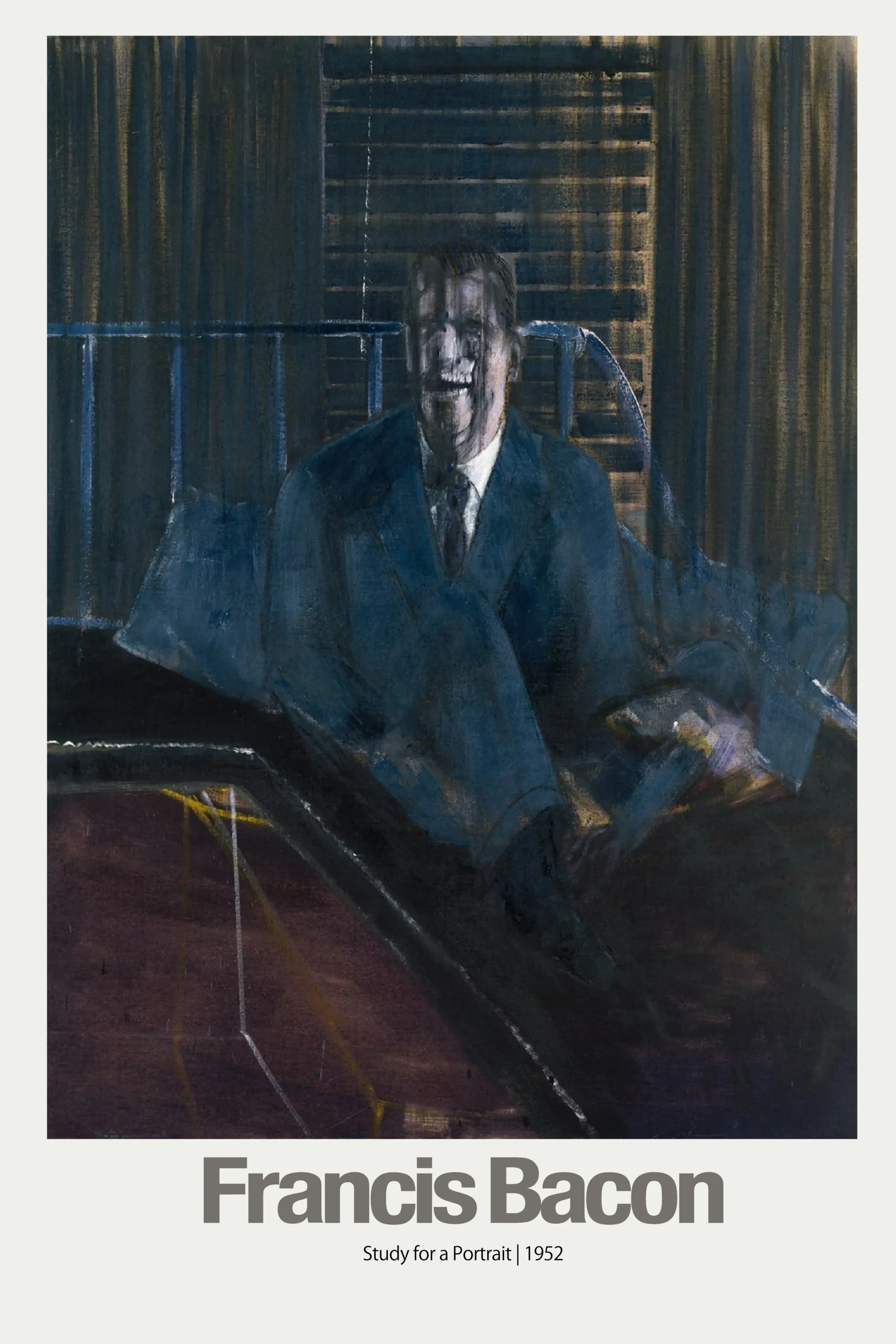
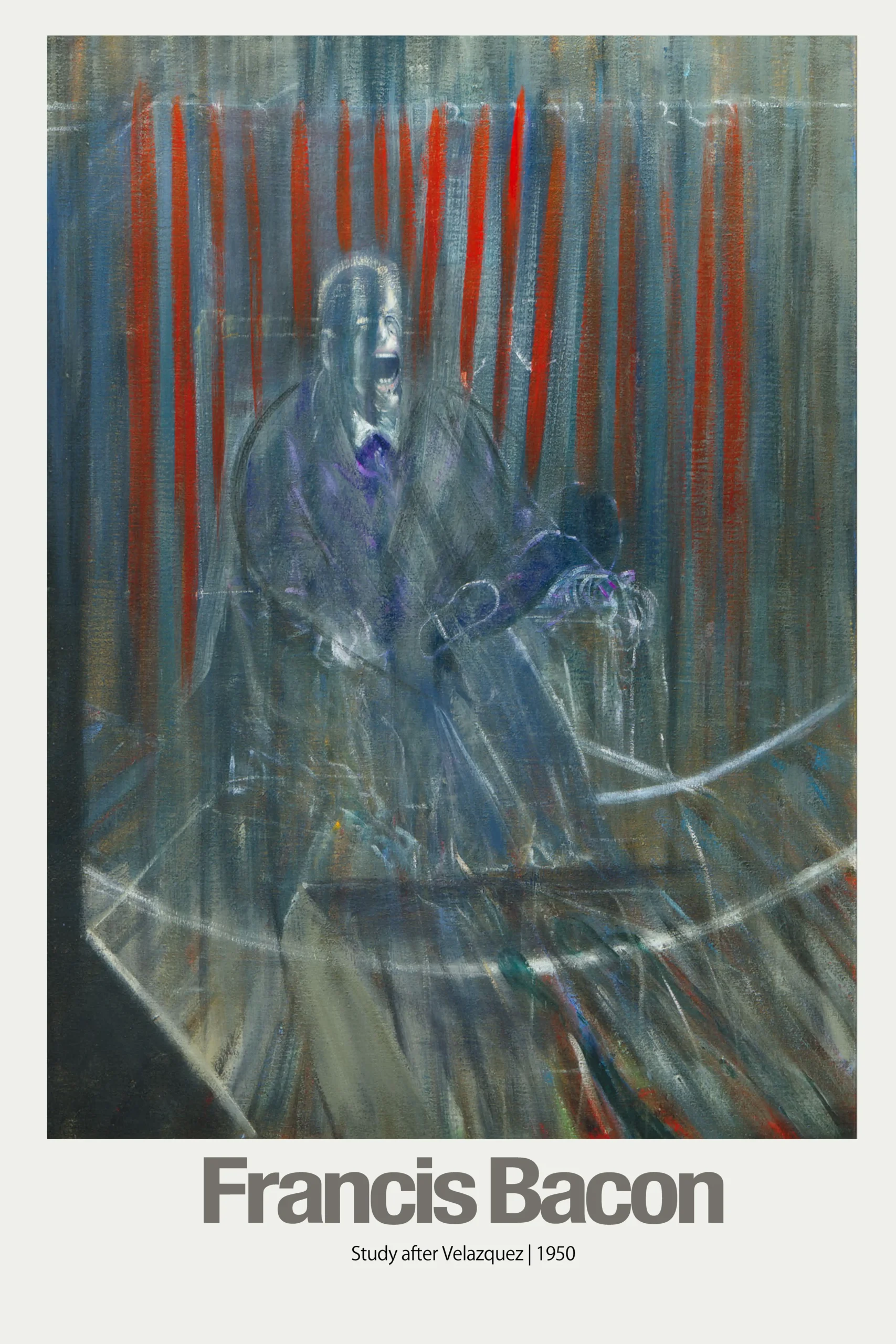
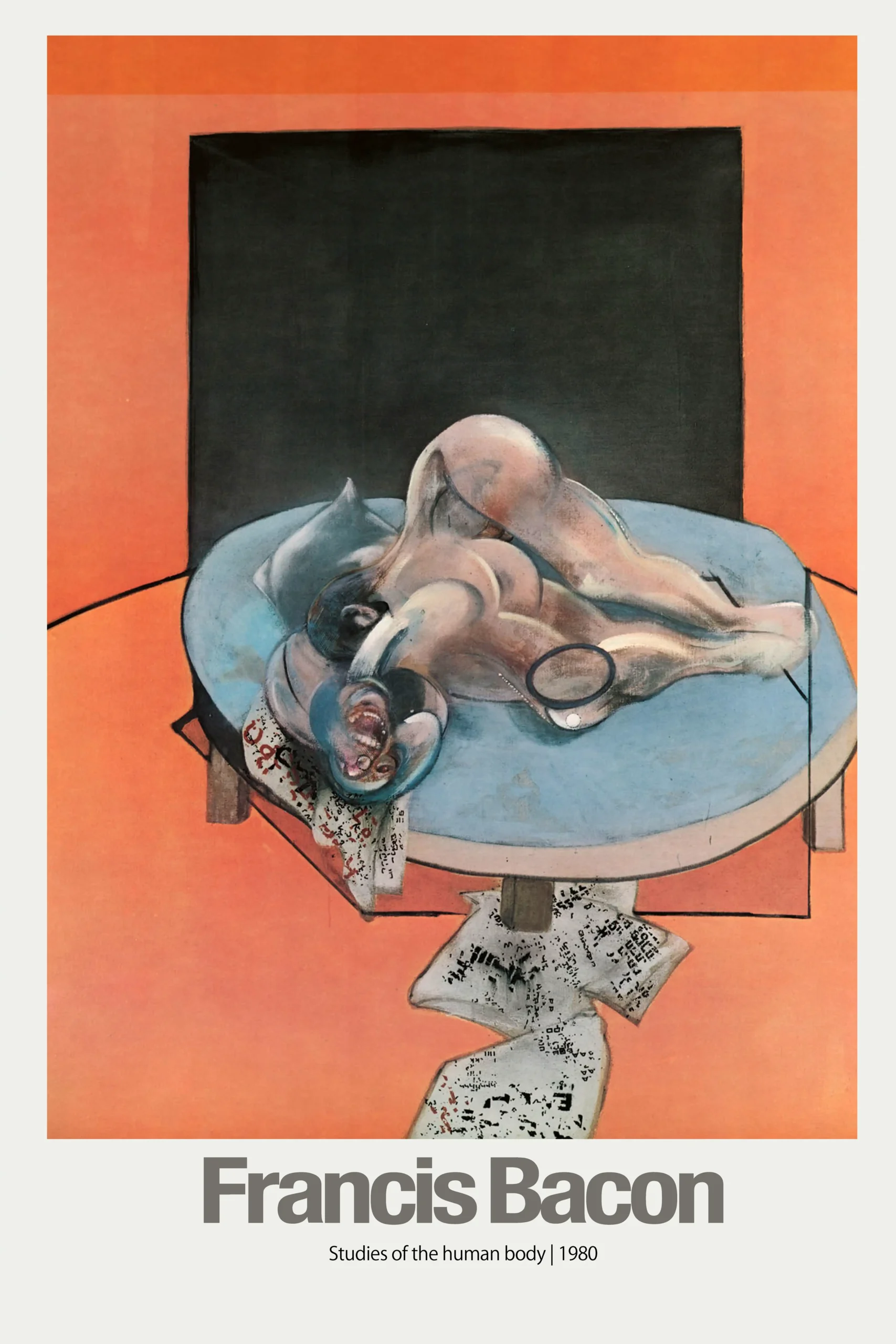
Why Choose Francis Bacon Paintings?
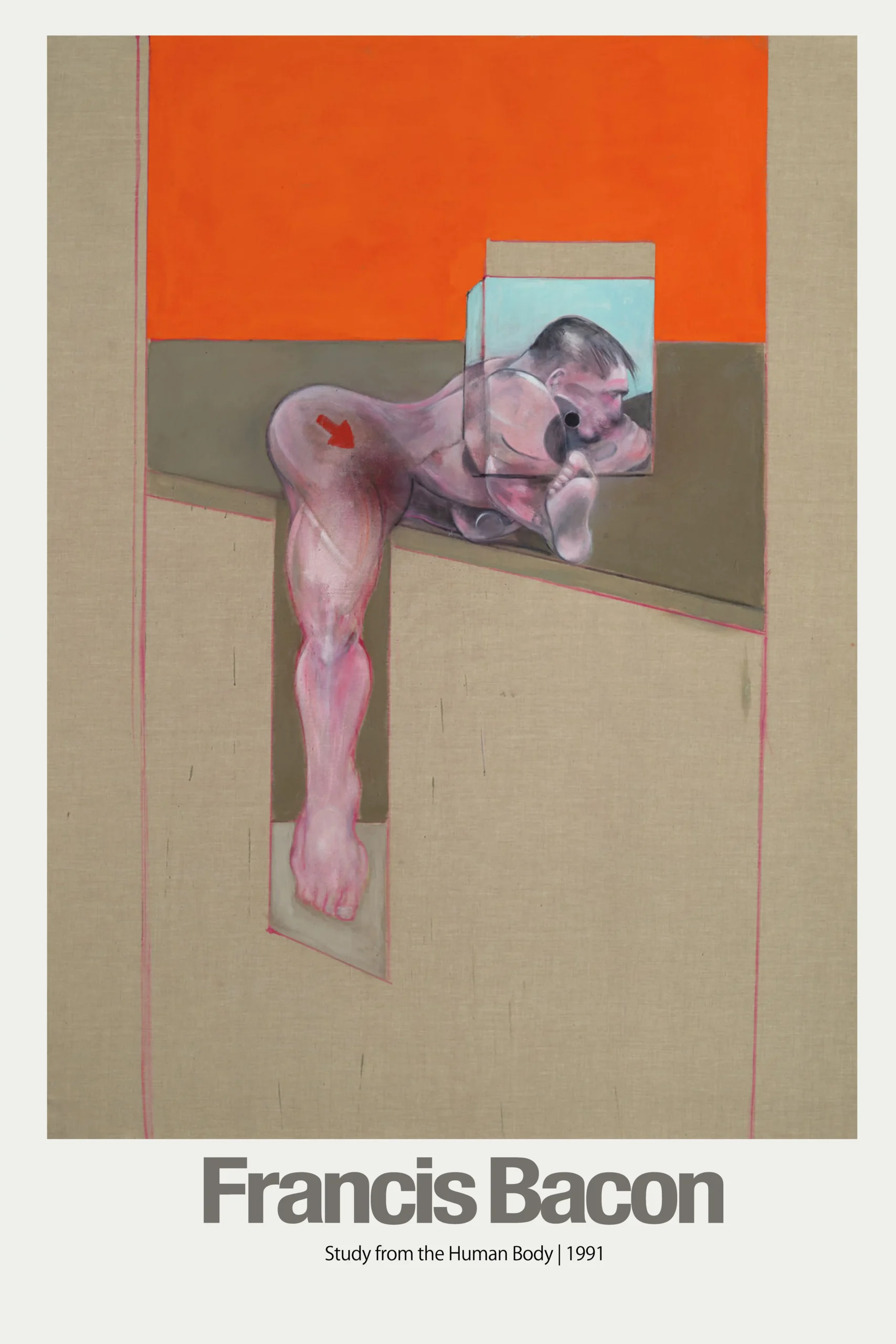
Francis Bacon paintings represent some of the most powerful and psychologically intense art of the 20th century. The Irish-born British painter (1909-1992) created visceral images that confront viewers with raw human emotion, existential dread, and the fragility of flesh. His work doesn't offer comfort or beauty—it challenges, provokes, and forces engagement with uncomfortable truths about the human condition.
Bacon's paintings occupy a unique position in art history, bridging Old Master traditions with radical modernism. He studied and reinterpreted works by Velázquez, Rembrandt, and Van Gogh while creating something entirely new and disturbing. His distorted figures, screaming mouths, and isolated bodies in stark geometric spaces express post-war anxiety, human vulnerability, and existential isolation.
Displaying Francis Bacon art prints signals sophisticated taste, intellectual curiosity, and appreciation for art that takes risks. These works suit collectors who value substance over decoration, psychological depth over prettiness, and artistic courage over safe choices. They create powerful focal points that command attention and spark profound conversations about art, humanity, and meaning.
Bacon's Most Famous Paintings
Three Studies for Figures at the Base of a Crucifixion (1944): The triptych that established Bacon's reputation overnight, featuring three grotesque, writhing creatures on brilliant orange backgrounds. Critics called it "the most haunting image of the war" and it remains one of modern art's most disturbing masterpieces.
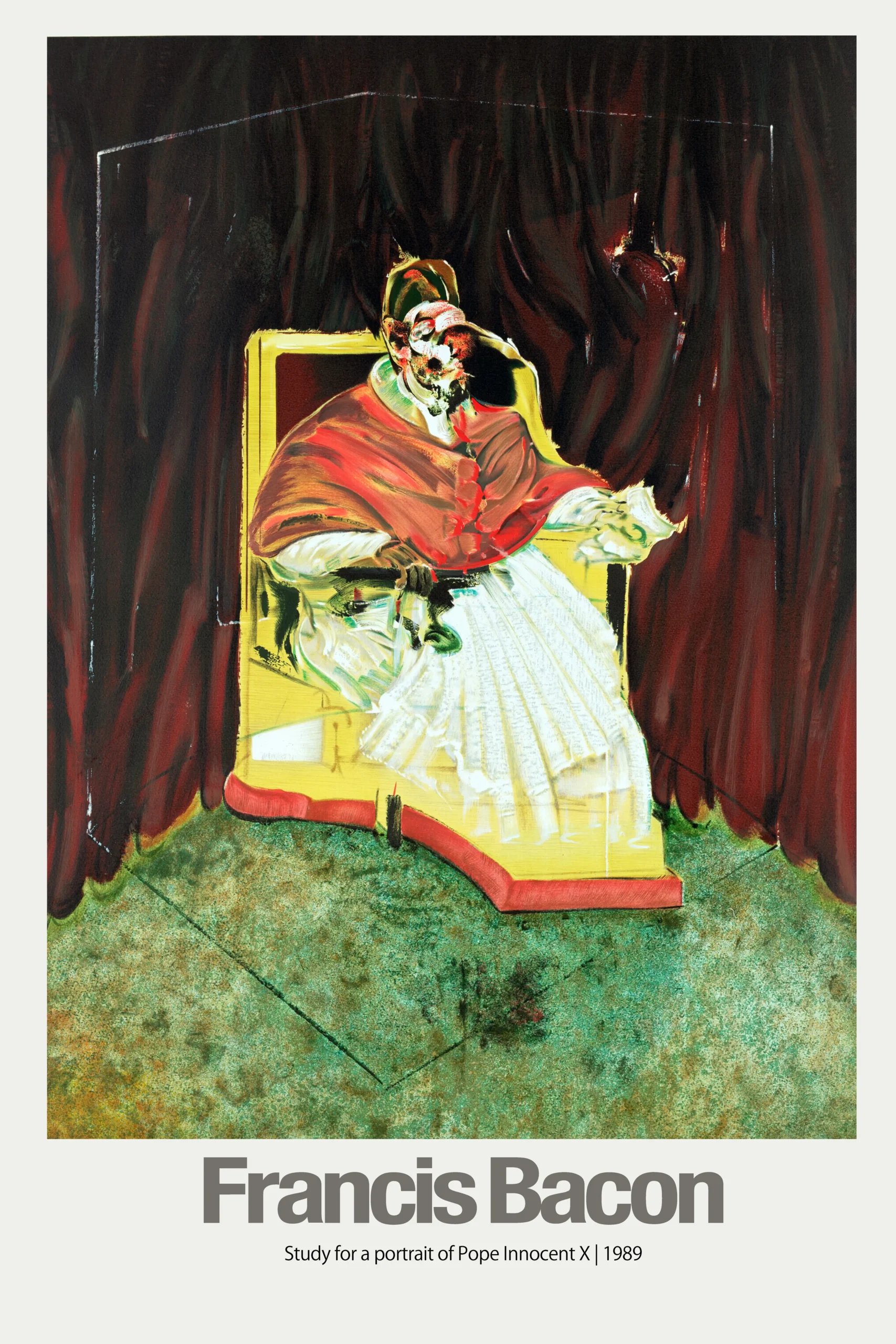
Study after Velázquez's Portrait of Pope Innocent X (1953): The most famous of Bacon's "screaming popes," reinterpreting Velázquez's serene papal portrait as a nightmarish vision of authority trapped and shrieking. The series explores power, corruption, and human vulnerability beneath institutional facades.
Three Studies of Lucian Freud (1969): A monumental triptych portrait of his friend and fellow painter that sold for $142.4 million in 2013, setting the world record for most expensive artwork at auction. The work exemplifies Bacon's mature style with distorted yet recognizable features.
Painting 1946: Bacon's first major masterpiece featuring a butchered carcass beneath an umbrella with a suited figure, creating nightmarish associations between meat, violence, and power. This painting launched his international career and established his distinctive visual vocabulary.
Study for a Portrait (1949): One of his early head paintings showing a screaming figure trapped in geometric space, demonstrating his revolutionary approach to portraiture that emphasized psychological truth over physical likeness.
Second Version of Triptych 1944 (1988): Bacon's final major work revisiting his breakthrough 1944 triptych, painted in darker blood-red tones with more refined but equally disturbing figures, showing how his vision evolved yet remained consistent.
Bacon's Signature Themes & Subjects
Screaming Popes & Authority Figures: Perhaps his most famous series, Bacon's papal portraits reinterpret Velázquez's dignified Pope Innocent X as trapped, screaming figures. These works explore institutional power, isolation, and human vulnerability beneath authority's facade.
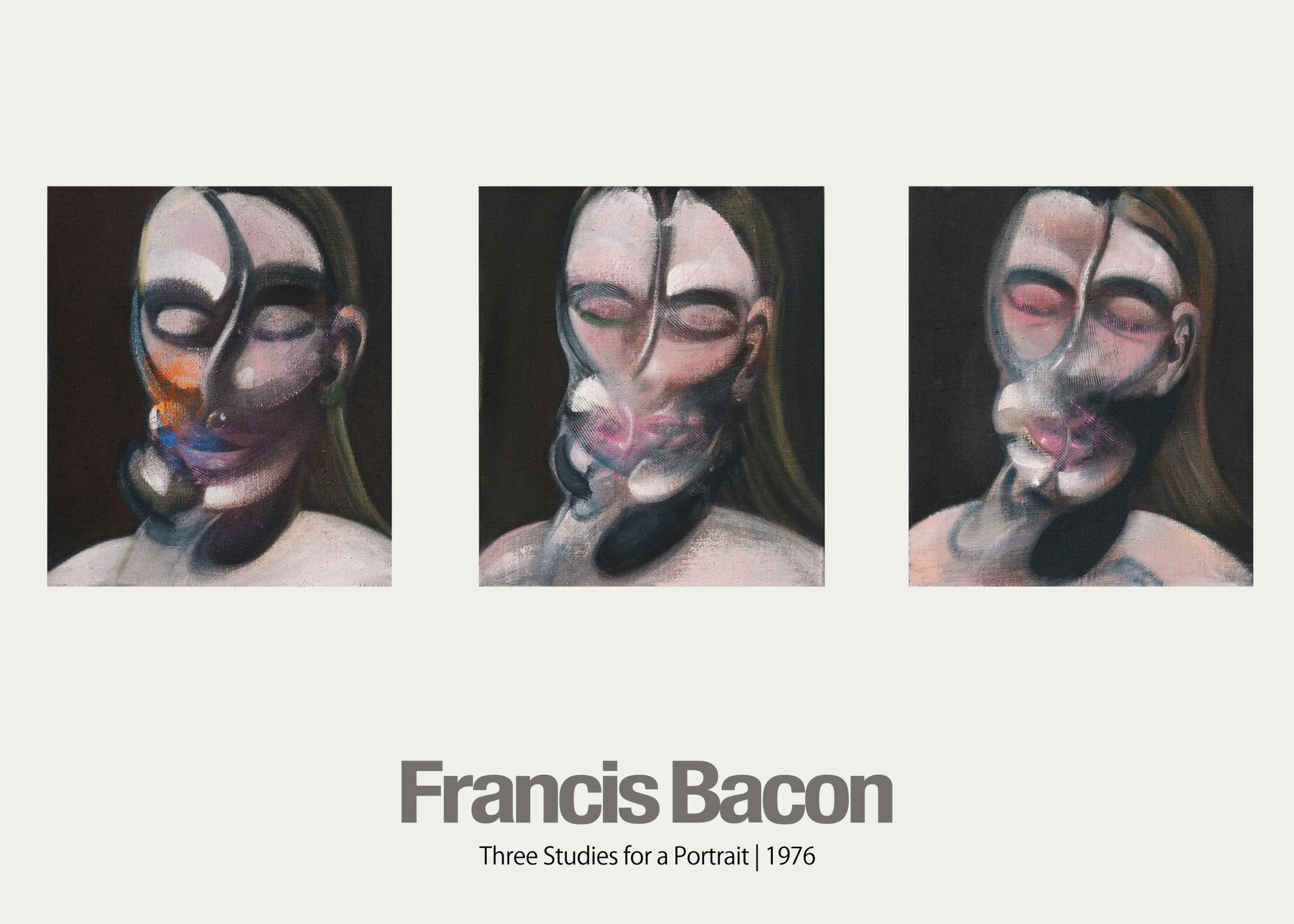
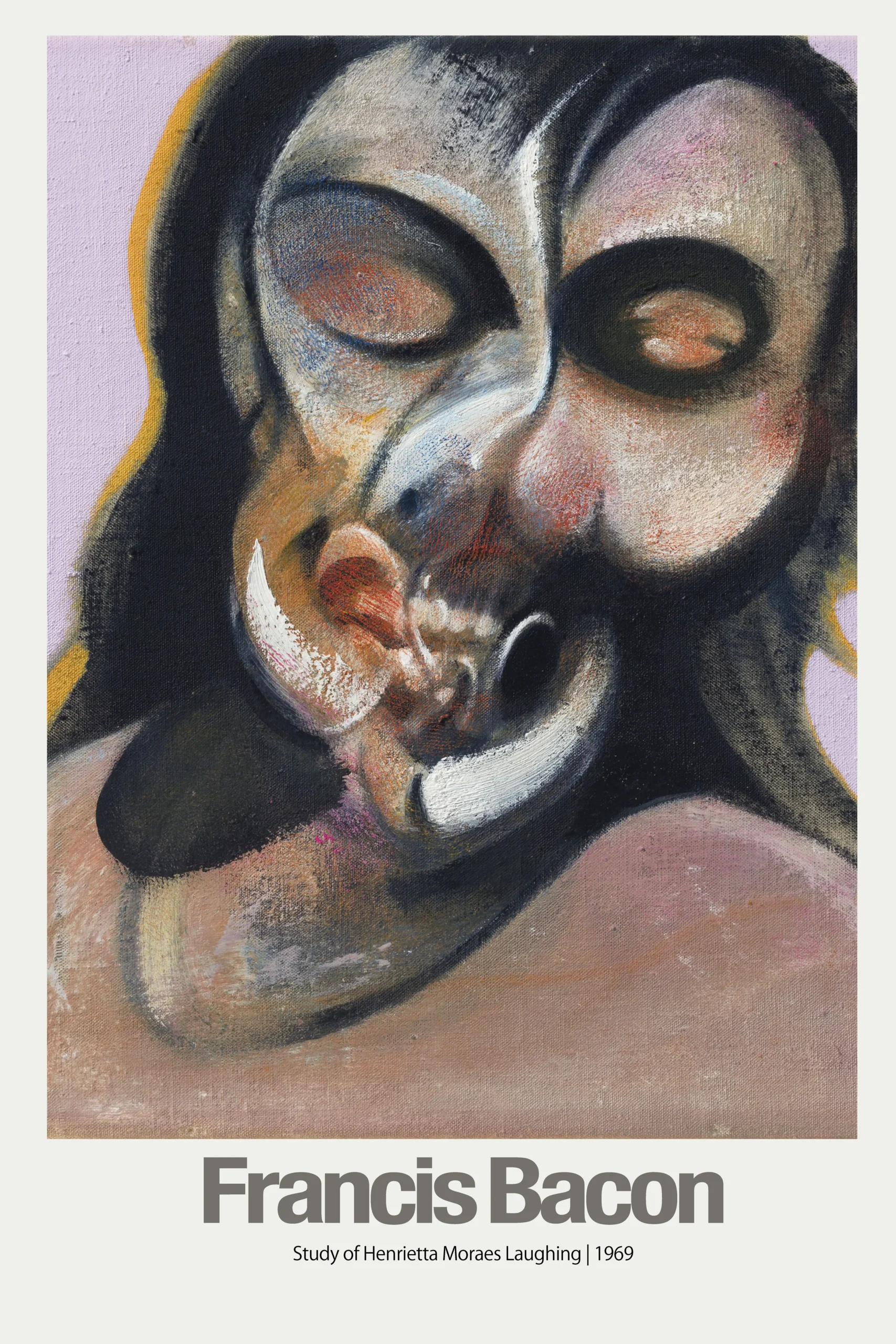
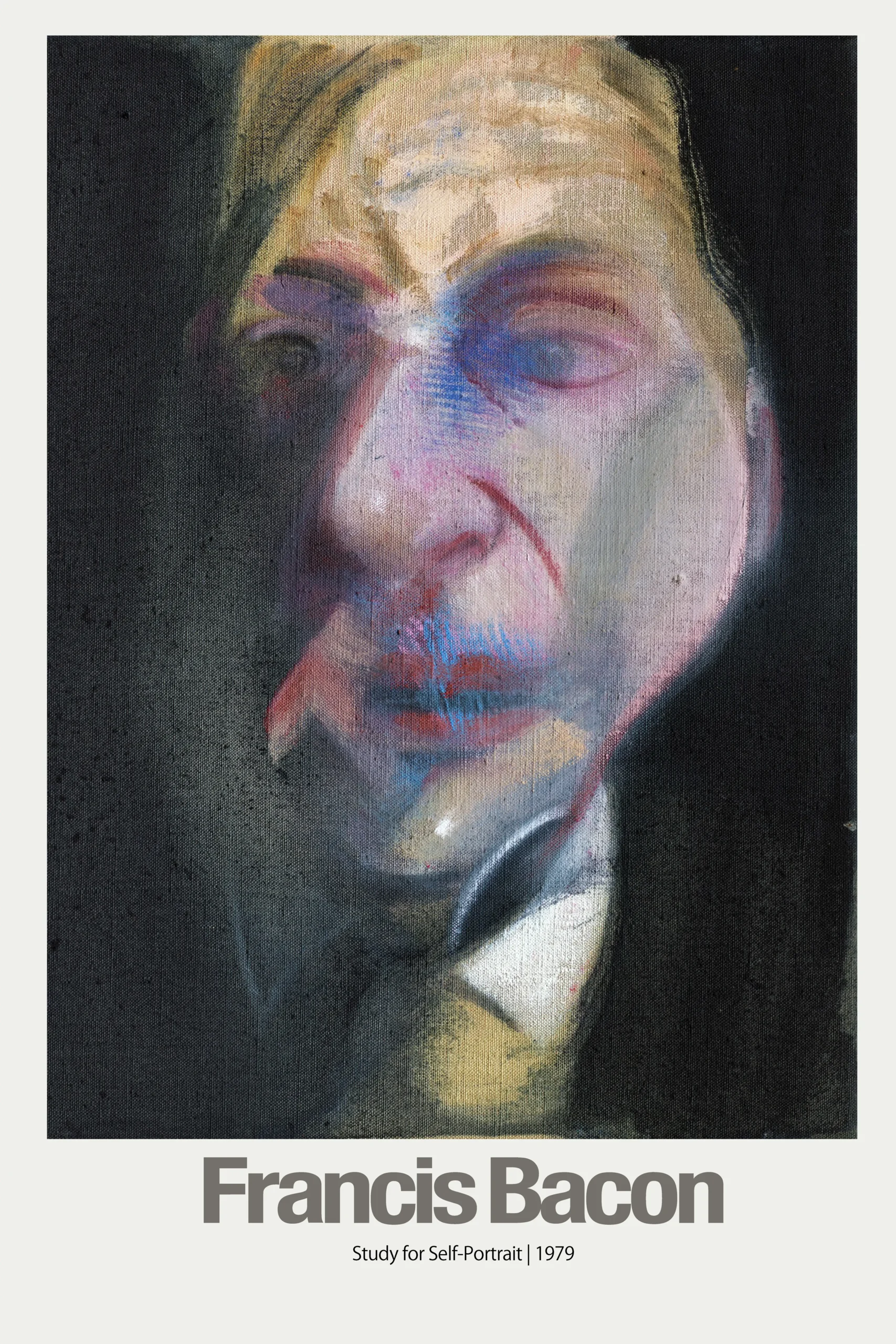
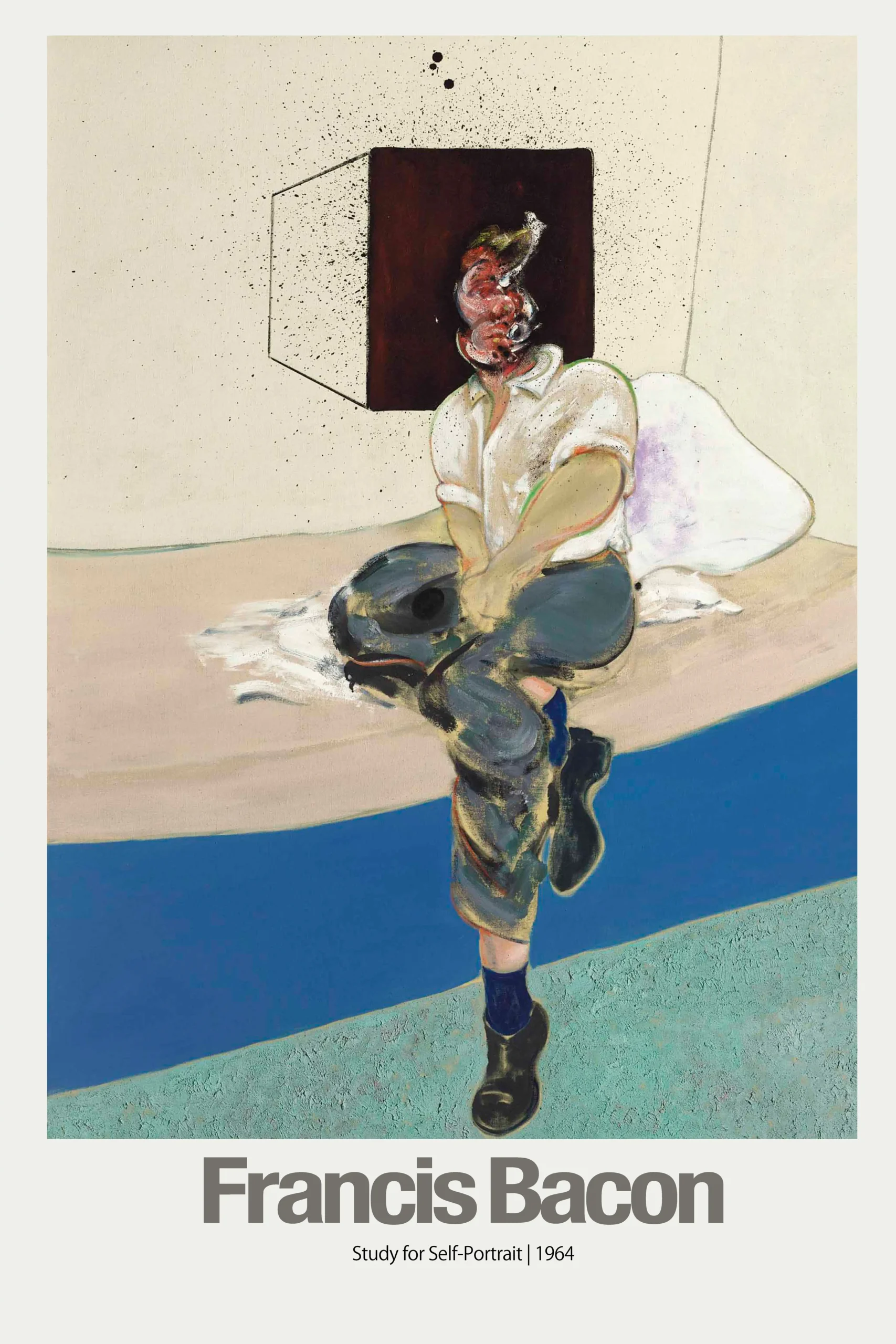
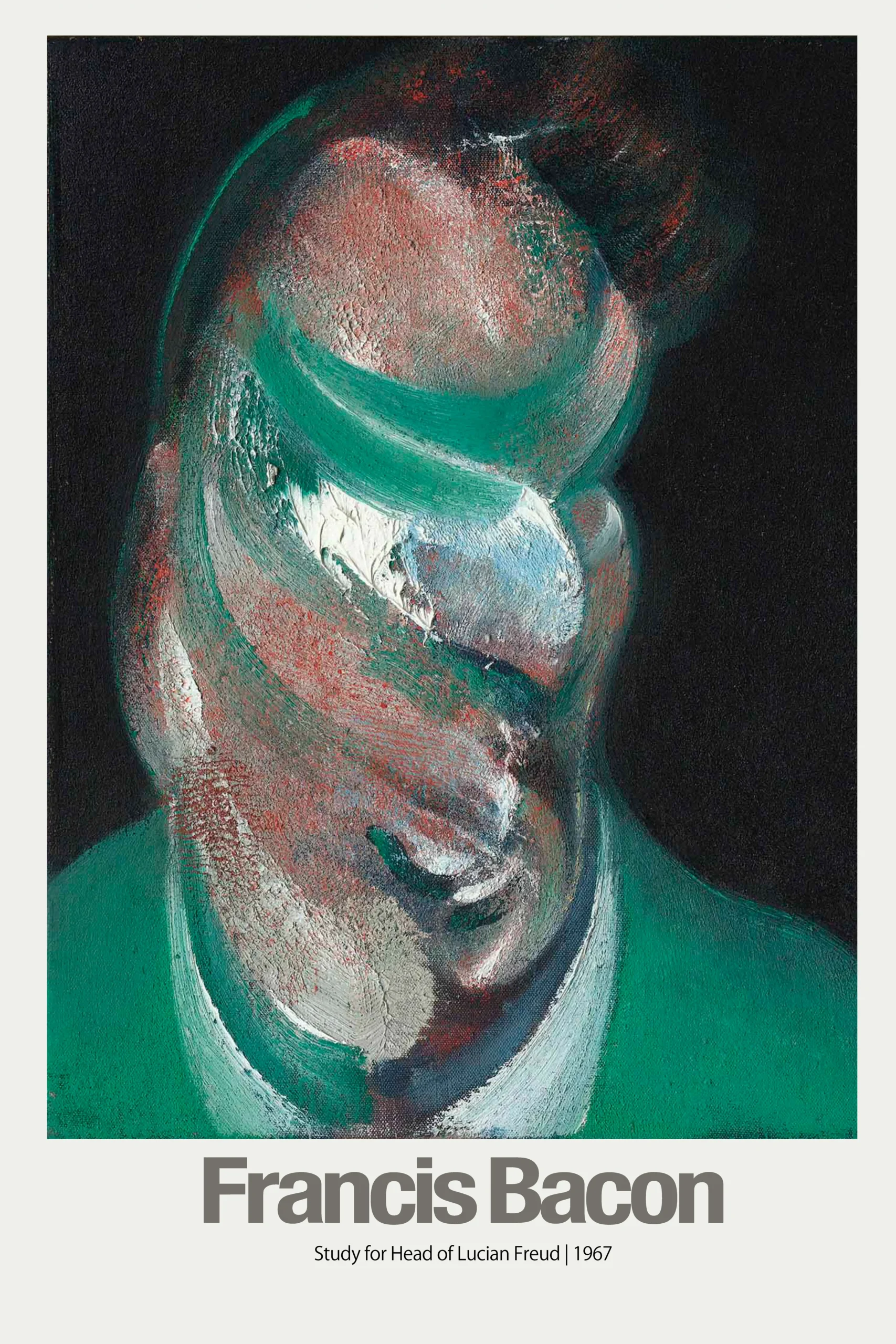
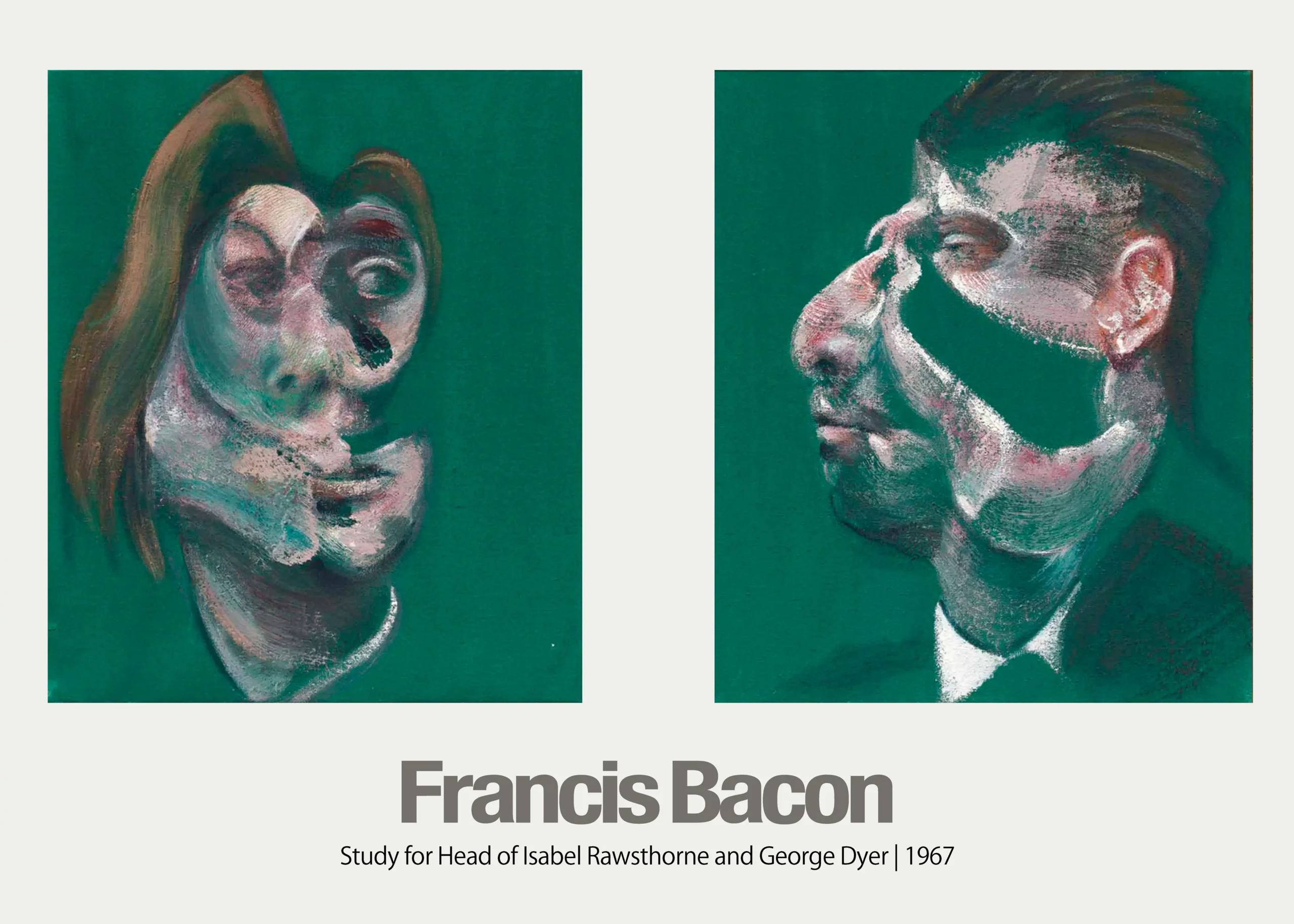
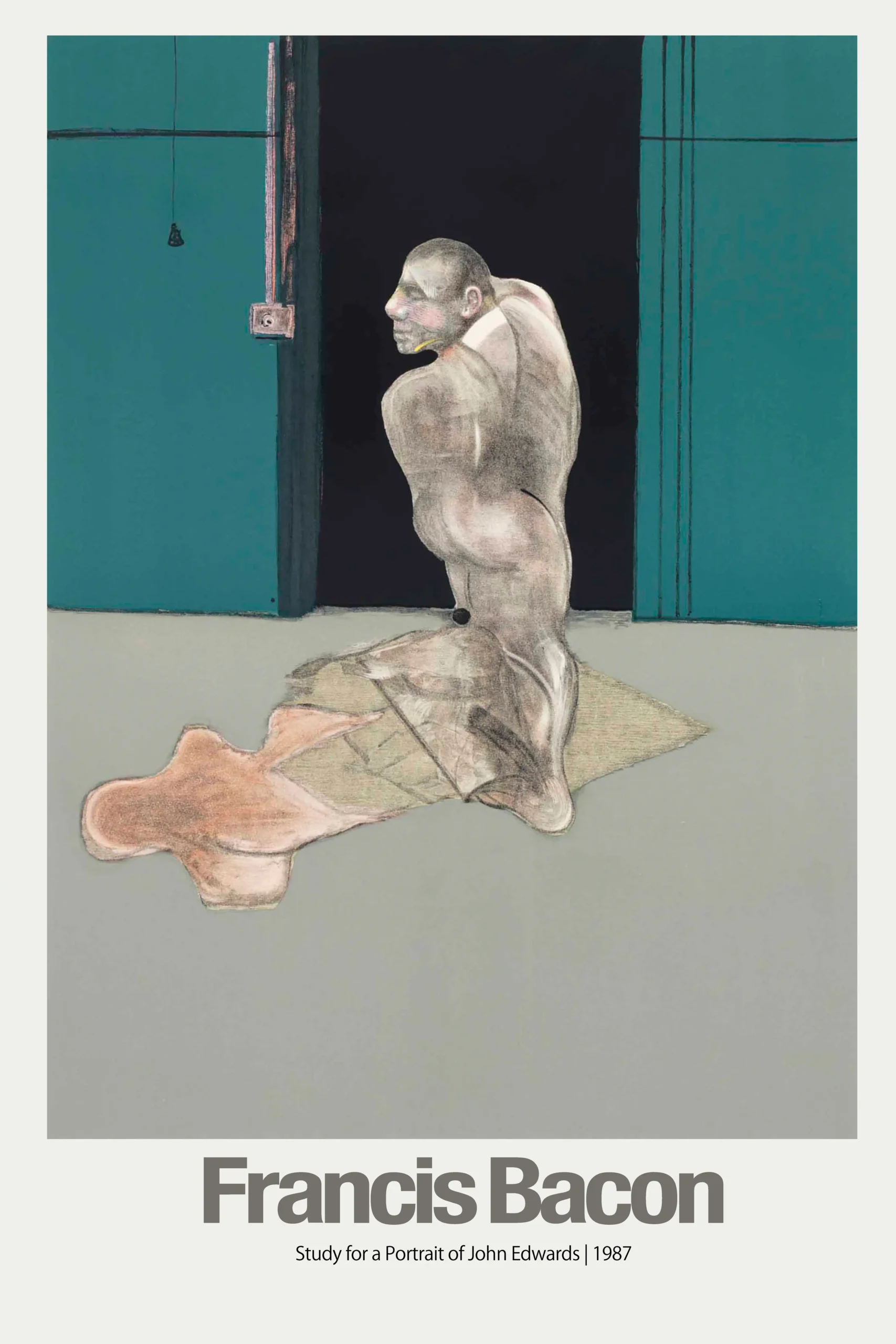
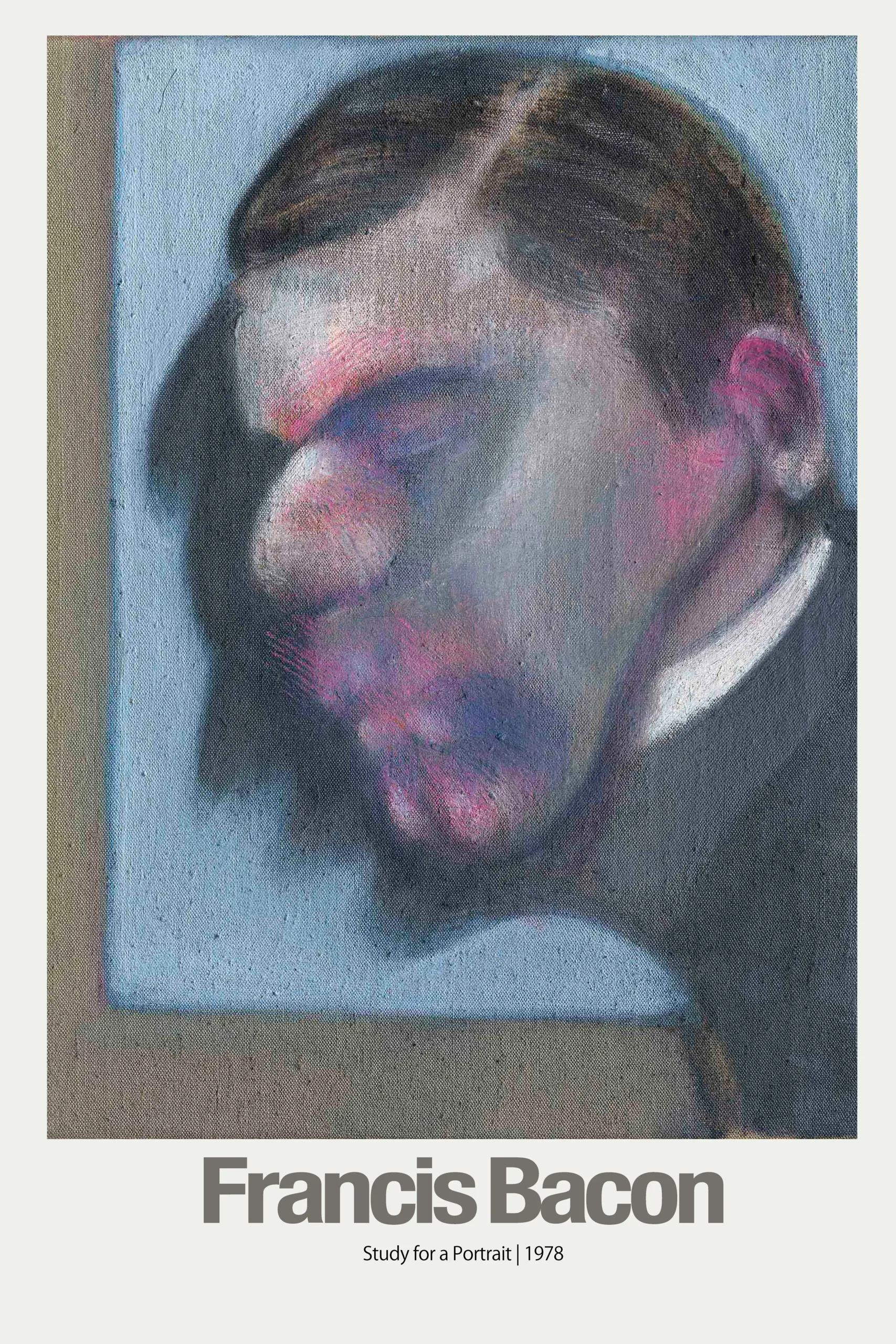
Distorted Portraits & Heads: Revolutionary portraits of friends including Lucian Freud, Isabel Rawsthorne, George Dyer, and Henrietta Moraes that abandon traditional likeness for psychological and emotional truth. Features appear twisted, smeared, and fragmented yet somehow more revealing than photographic accuracy.
Crucifixion & Religious Imagery: Bacon repeatedly returned to crucifixion themes not from religious belief but as "magnificent armatures for hanging all types of feeling and sensation." His versions strip away Christian meaning to expose raw human suffering and bodily vulnerability.
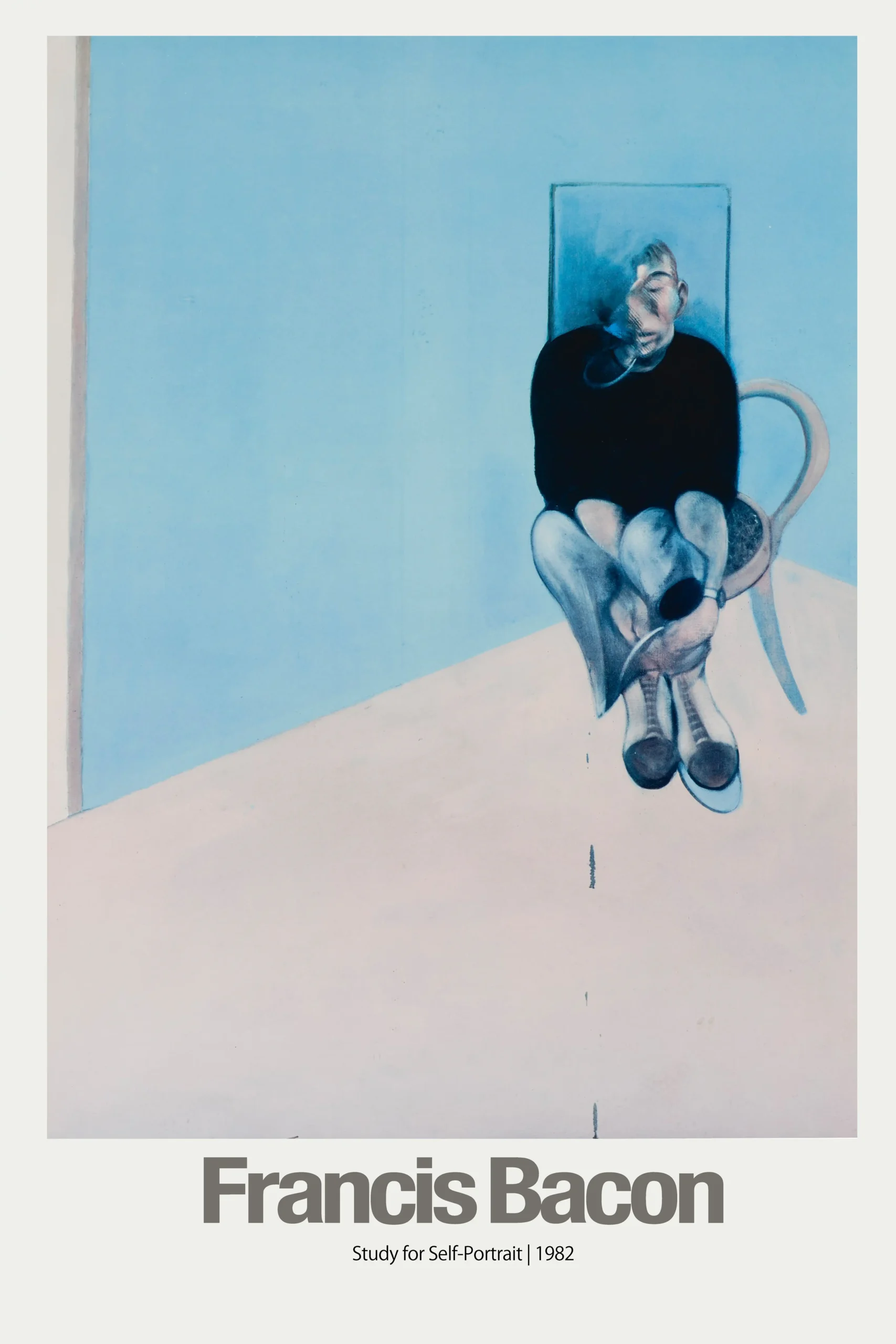
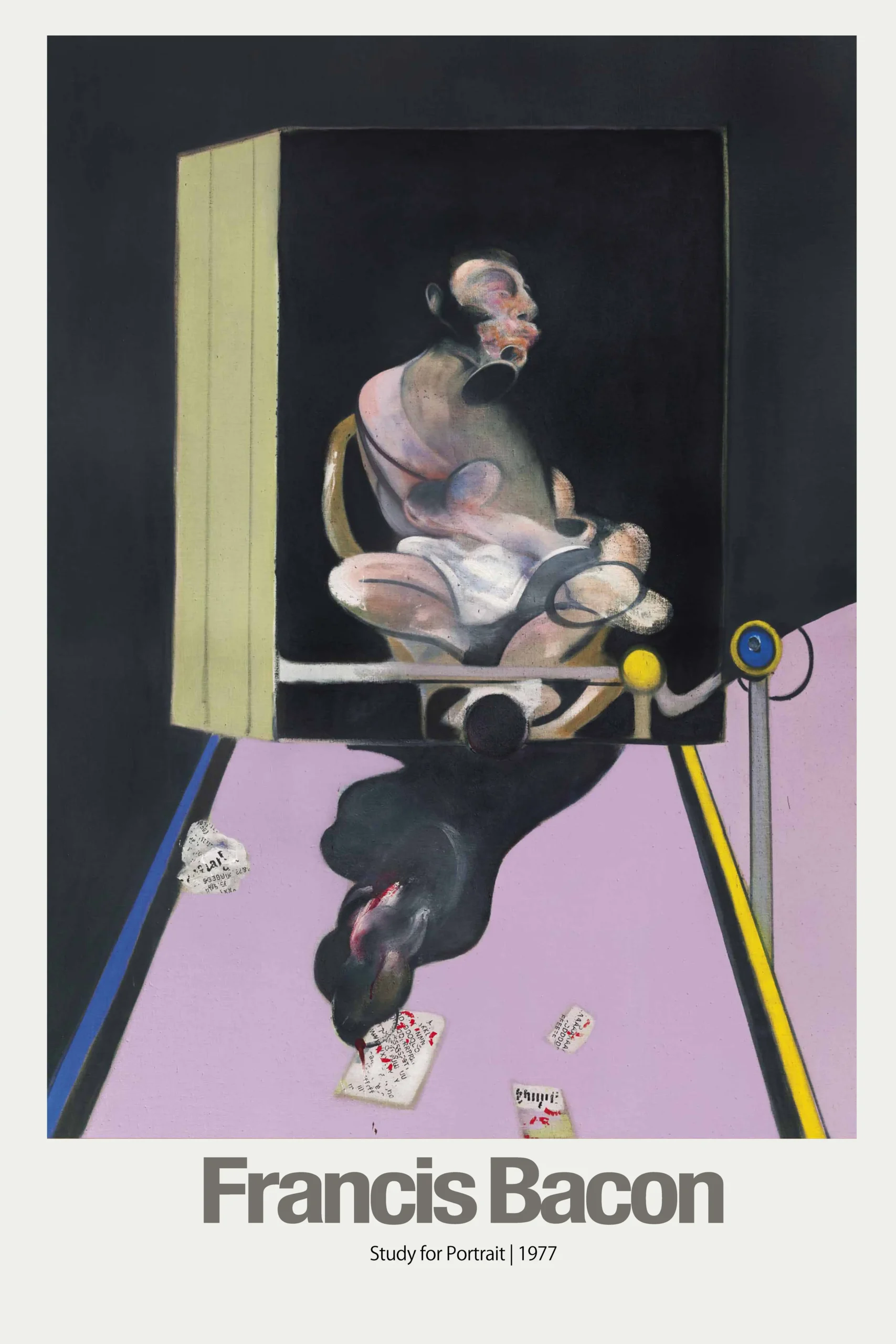
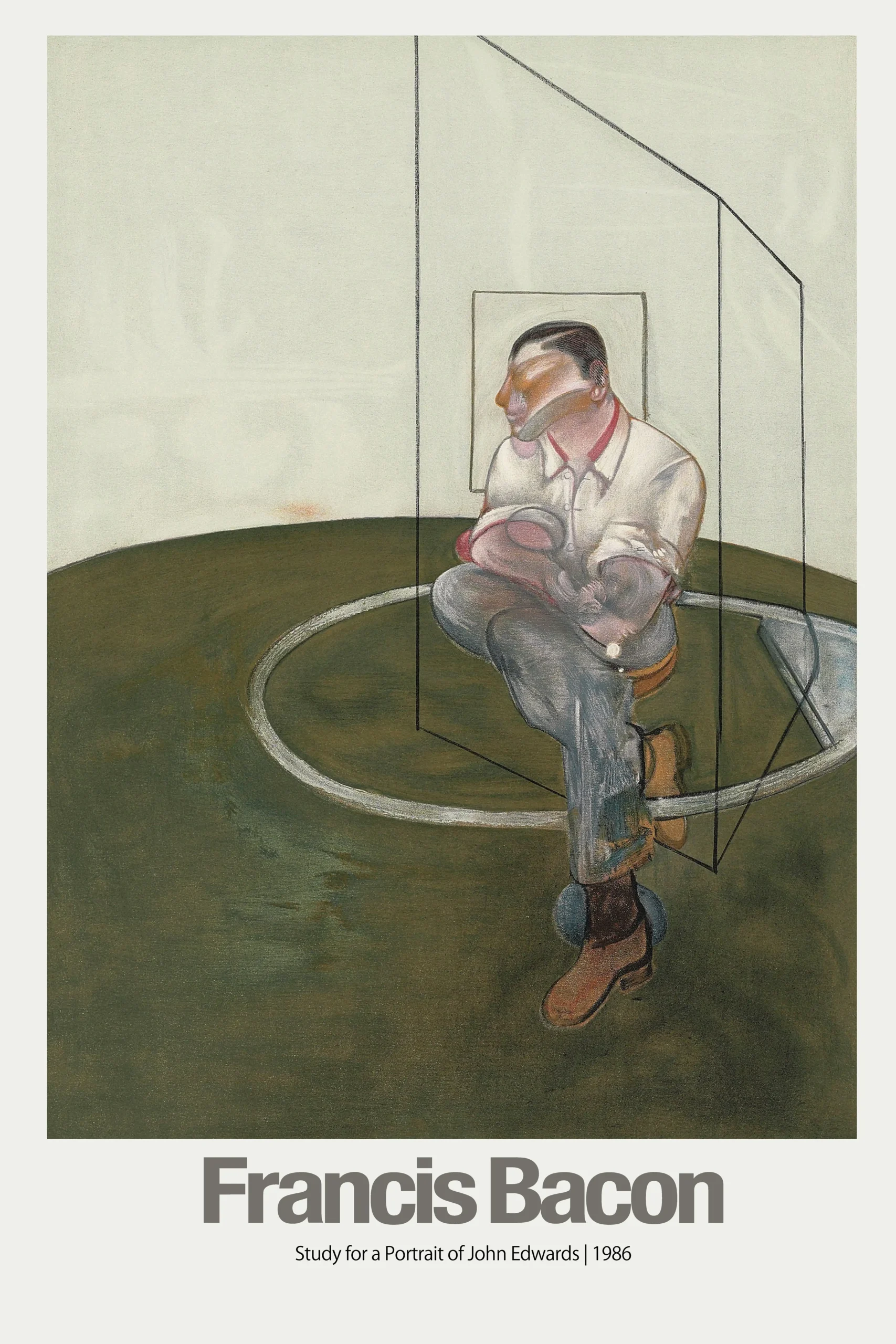
Figures in Interiors: Isolated bodies in stark, geometric rooms or cages—metaphors for existential isolation, entrapment, and alienation. The spaces feel both protective and confining, reflecting post-war anxieties about modern life.
Male Nudes & Bodies: Frank depictions of male bodies in intimate, sometimes sexual contexts that were revolutionary for their time. Bacon's homosexuality influenced these honest explorations of desire, vulnerability, and physicality.
Meat & Carcasses: Hanging beef carcasses and butchered meat appear throughout Bacon's work, drawing parallels between slaughterhouse imagery and human bodies, mortality and flesh's fragility.
Bacon's Distinctive Artistic Style
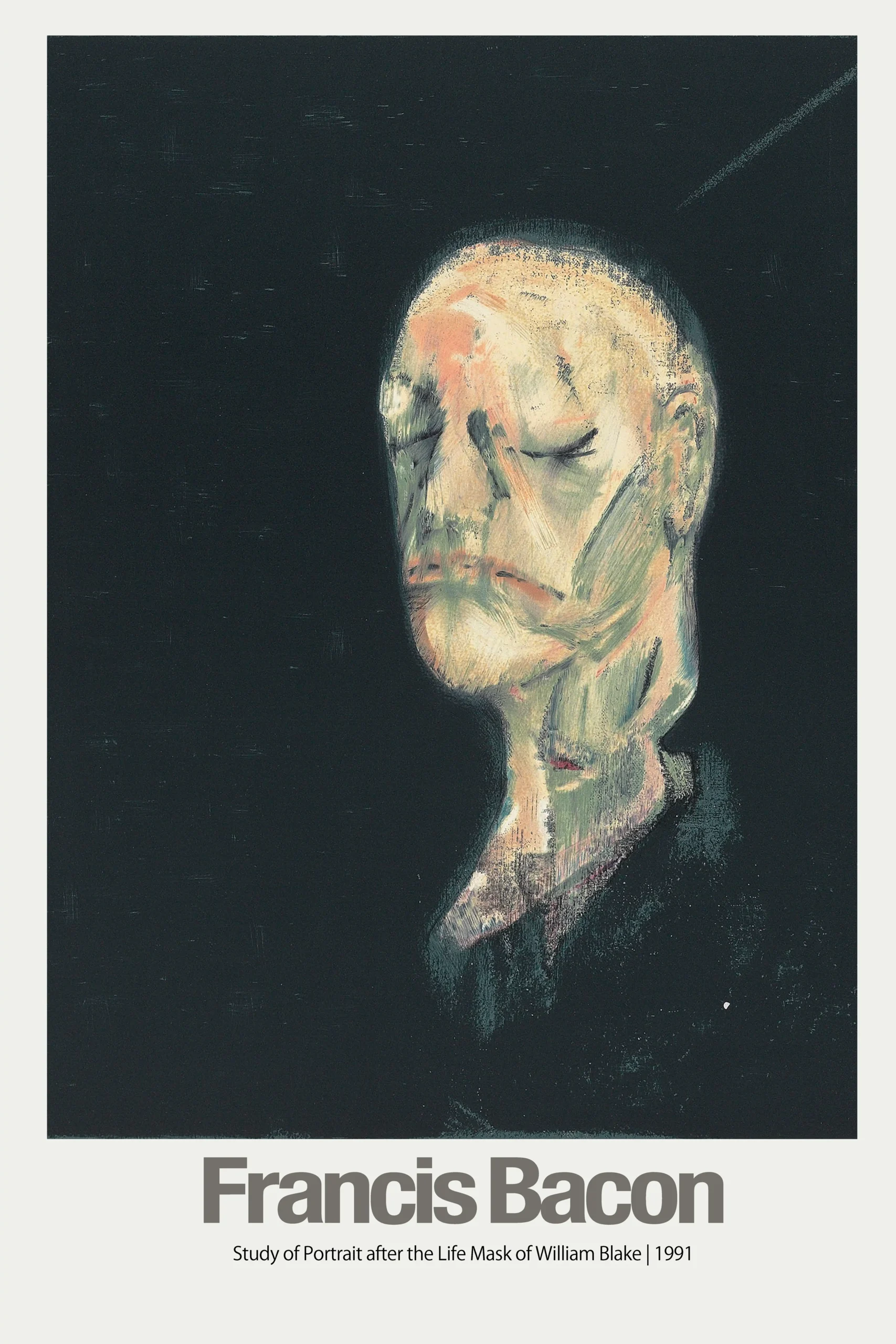
Distortion & Deformation: Faces and bodies appear smeared, twisted, and fragmented as if flesh itself is dissolving or being violently manipulated. This technique captures psychological states and physical vulnerability more powerfully than realistic representation.
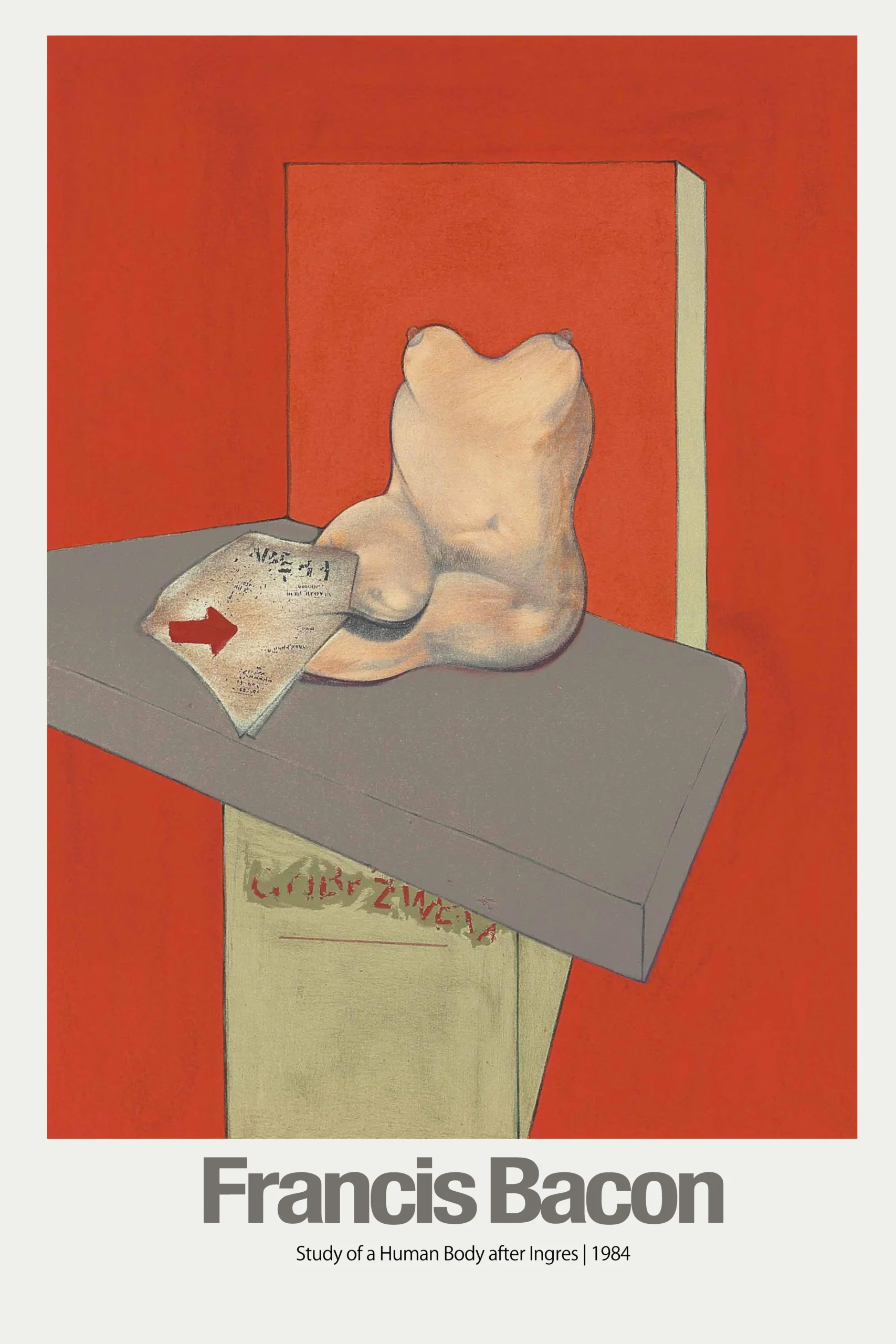
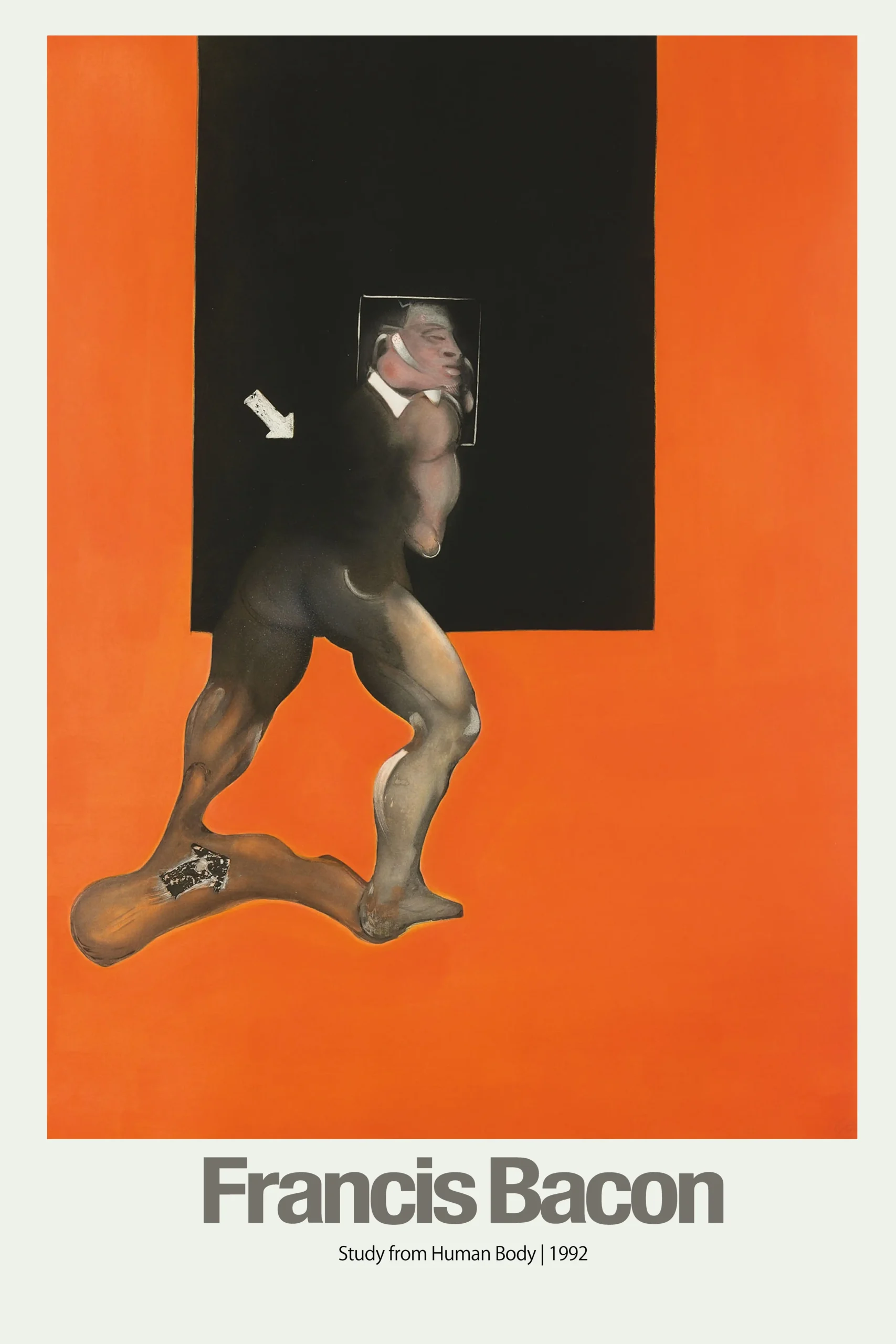
Bold Color Palettes: Striking combinations of blood reds, vibrant oranges, deep blacks, and flesh tones create dramatic emotional impact. Backgrounds often feature solid, saturated colors that intensify the figures' isolation and emotional intensity.
Gestural Brushwork: Violent, energetic brushstrokes and smeared paint suggest movement, violence, and emotional turbulence. Bacon often used rags, hands, and unconventional tools alongside brushes to achieve his distinctive effects.
Geometric Spaces & Frames: Figures often appear within circular frames, cages, or stark geometric rooms that isolate subjects and create stage-like settings. These devices focus attention while suggesting entrapment and existential isolation.
Triptych Format: Many major works use three-panel formats borrowed from religious altarpieces but repurposed for secular, often disturbing subjects. The format allows narrative progression and multiple perspectives on single themes.
Perfect for Contemporary Spaces
Francis Bacon art prints work powerfully in modern, contemporary, industrial, and minimalist interiors where their dramatic impact can be fully appreciated. They suit living rooms making bold statements, home offices inspiring deep thought, art studios providing inspiration, gallery walls in sophisticated homes, and commercial spaces including law offices, design firms, and contemporary restaurants.
These prints require visual space to breathe and contemplation room. They work best on prominent walls with gallery-style presentation—simple black or natural wood frames that don't compete with the artwork's intensity. Proper lighting dramatically enhances their impact, with spotlights or track lighting emphasizing colors and brushwork.
Bacon's work complements minimalist décor by providing powerful focal points, industrial aesthetics with raw intensity matching exposed materials, contemporary design bringing emotional depth to clean lines, and art collector homes demonstrating serious commitment to important 20th-century art.
Not for Everyone—And That's the Point
Bacon's paintings aren't universally appealing, and he wouldn't have wanted them to be. These works confront viewers with disturbing imagery—screaming mouths, distorted flesh, existential dread. They're unsuitable for children's spaces, traditional or romantic décor, or those seeking calming, pretty decoration.
However, for viewers who appreciate art that challenges and provokes rather than soothes, Bacon's work offers unmatched psychological power. These paintings reward contemplation, reveal new details with repeated viewing, and maintain their impact across decades.
Cultural & Art Historical Significance
Francis Bacon stands among the 20th century's most important and influential artists. His work bridged Surrealism and Expressionism while remaining entirely unique. He influenced generations of contemporary artists exploring the figure, psychological portraiture, and challenging beauty conventions.
Major museums worldwide—Tate Britain, Museum of Modern Art, Centre Pompidou, Metropolitan Museum—hold significant Bacon collections. His paintings command astronomical prices at auction, with the highest reaching over $142 million. This market value reflects both artistic significance and continuing relevance to contemporary audiences grappling with similar existential questions.
Museum-Quality Reproduction Standards
Each Francis Bacon print in our collection is produced with meticulous attention to color accuracy and textural detail. Bacon's paintings require careful reproduction to preserve his distinctive palette—the specific reds, oranges, flesh tones, and blacks that create emotional impact—and the gestural quality of his brushwork.
Our printing processes maintain the dramatic contrasts, color intensity, and visible brushstrokes that characterize his style. Every print honors Bacon's artistic legacy with production quality matching the seriousness and power of his vision.
Collecting Francis Bacon Prints
Original Bacon paintings are exceedingly rare and prohibitively expensive, held mostly by major museums and elite collectors. High-quality prints provide accessible entry into appreciating his work while maintaining visual impact. Limited edition prints created during Bacon's lifetime command significant collector value, while contemporary reproductions allow wider audiences to experience his artistic genius.
Perfect for Serious Art Enthusiasts
Francis Bacon paintings make exceptional gifts for contemporary art collectors, art history students and professors, gallery visitors and museum members, design professionals with sophisticated taste, and anyone who values challenging, intellectually rigorous art over safe decoration.
These gifts suit milestone occasions—new homes for serious collectors, offices for professionals in creative fields, graduation gifts for art students, or retirement presents for lifelong art enthusiasts. They demonstrate understanding of recipient's sophisticated taste and respect for their intellectual curiosity.
Complementary Artists & Collecting
Bacon collectors often appreciate other 20th-century masters exploring similar themes. Consider pairing Bacon with Lucian Freud's unflinching portraits (they were close friends), Alberto Giacometti's existential figures, Egon Schiele's distorted bodies, Edvard Munch's psychological intensity, or Willem de Kooning's gestural abstraction for thematically cohesive collections.
From Introduction to Deep Collecting
Whether discovering Bacon for the first time or building comprehensive collections, our selection accommodates all levels. Start with his most famous works like the screaming popes or Three Studies for Figures, expand into his portrait series exploring different subjects, or specialize in particular periods—early 1940s-1950s works, mature 1960s-1970s triptychs, or late 1980s masterpieces.
Shop our Francis Bacon paintings collection today and engage with art that refuses to look away from human darkness, vulnerability, and existential truth. Each reproduction celebrates an artist who revolutionized figurative painting and created some of the 20th century's most psychologically powerful images. Transform your walls with Francis Bacon art that commands attention, provokes thought, and demonstrates commitment to serious contemporary art.