
Classic Sado Island woodblock print – 1921 Lake Kamo Takahashi Hiroaki Art
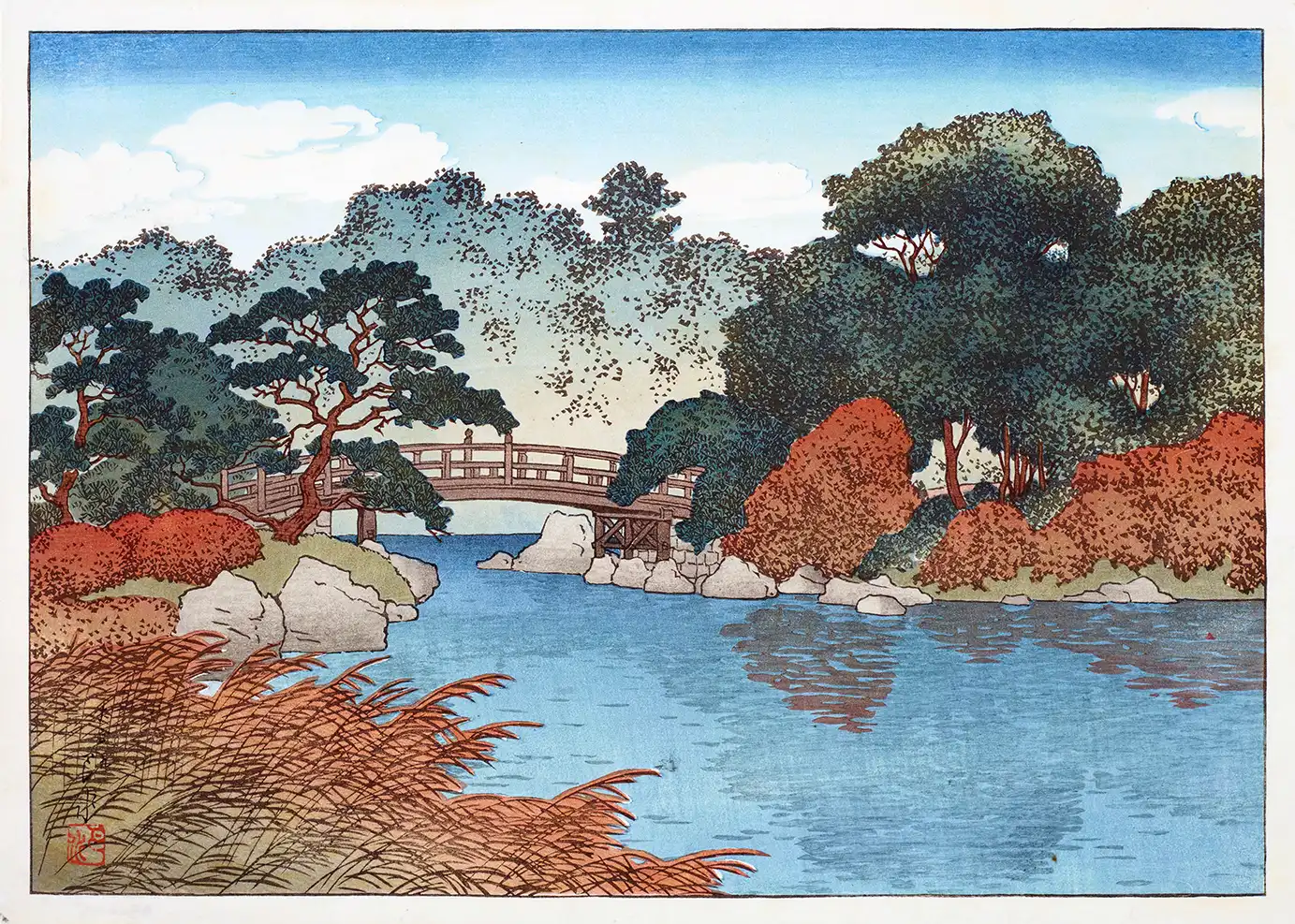
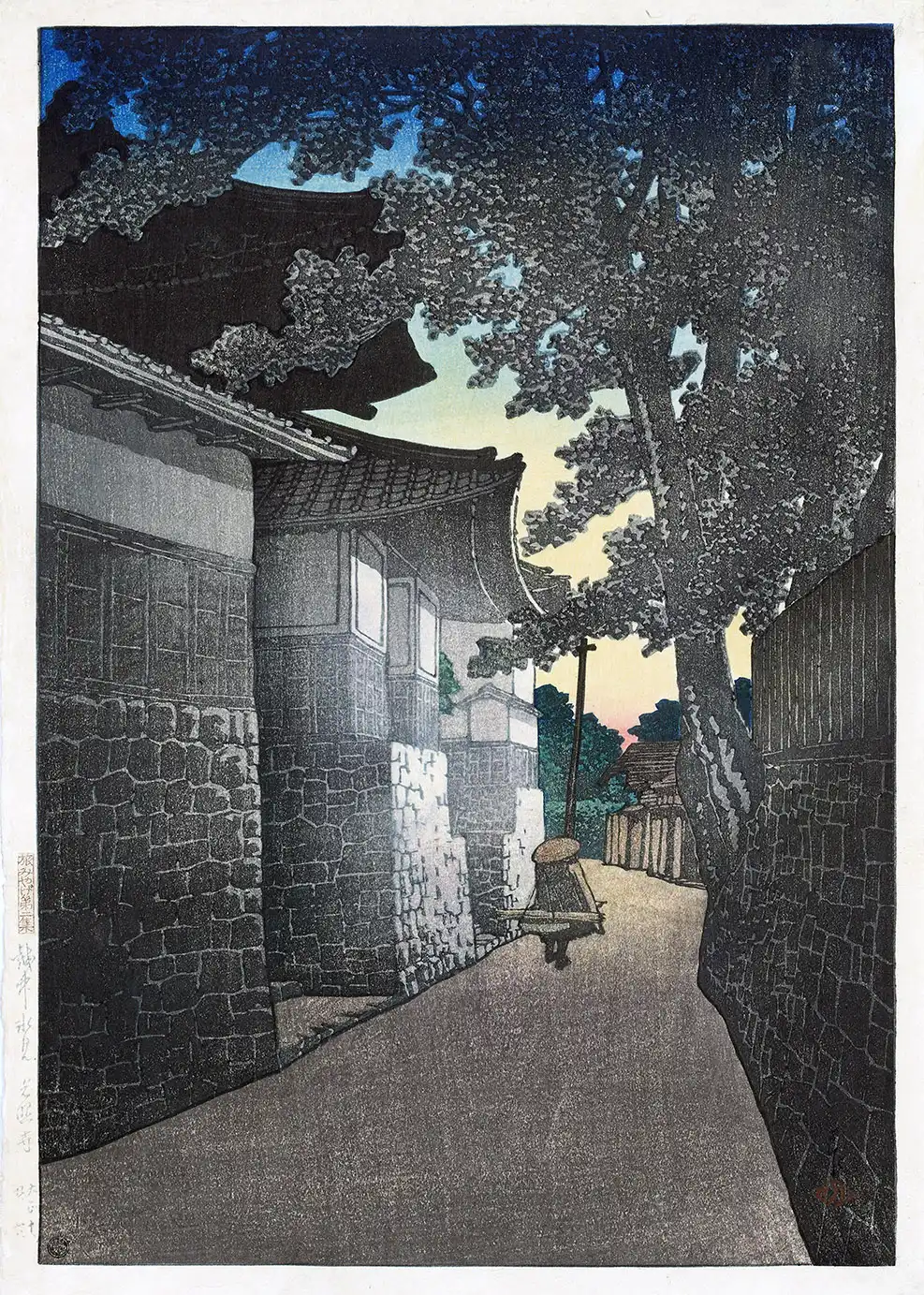
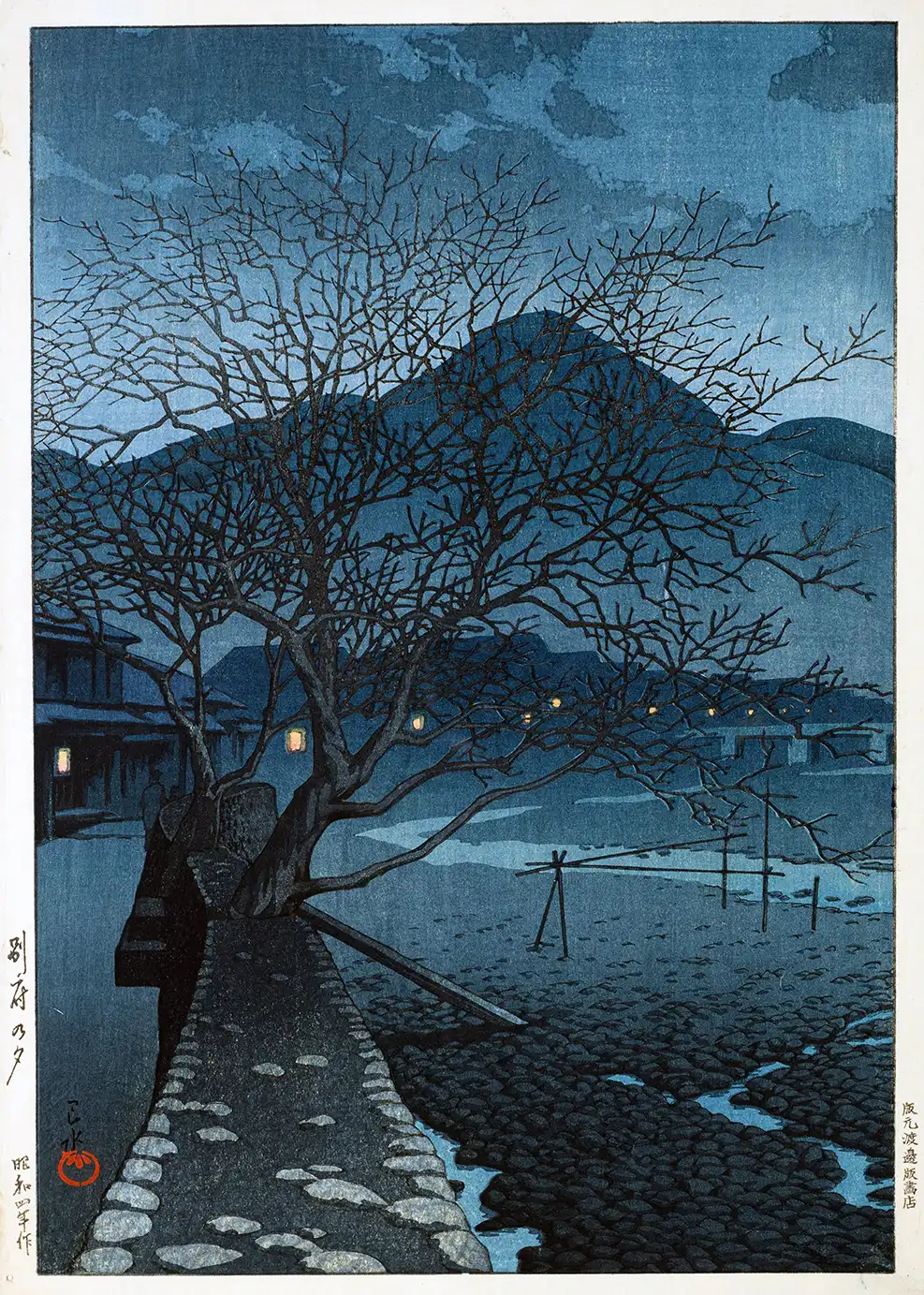
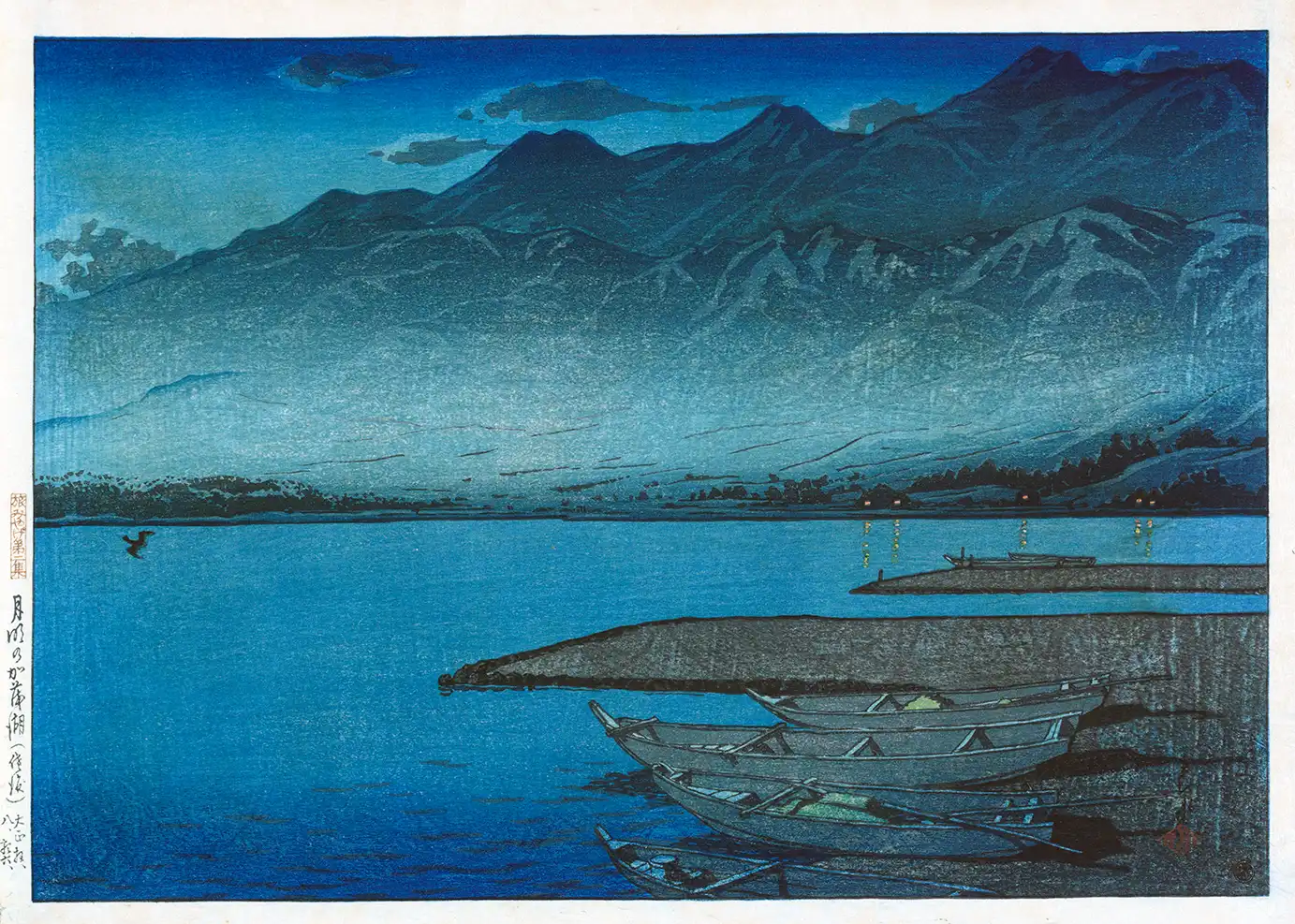
This Sado Island woodblock print depicts a serene night at Lake Kamo with traditional wooden boats. Our Shin-hanga wall art uses museum-grade matte paper for authentic detail.
What You Will Receive
- Made to order, museum-grade art print. Frame not included unless stated.
- Printed on 200 GSM premium matte paper for crisp detail and zero glare.
- Archival giclée inks that resist fading for decades.
- Multiple size options. Use the selector above.
- Protective packaging: rigid mailer or sturdy tube.
Print Quality
Every print is produced using state-of-the-art giclée technology on heavyweight 200 GSM matte paper. The non-reflective surface eliminates glare while the archival pigment inks deliver rich, accurate colours designed to last a lifetime.
Size Guide
For walls above furniture, choose a print roughly two thirds to three quarters the width of the piece below it. Smaller sizes up to 11×14 inches suit gallery walls. Larger formats of 18×24 inches and above create striking focal points.
Verified Customer Reviews
Shipping
Every order is printed on demand. Processing takes 3 to 5 business days, then ships free worldwide with tracking.
| Region | Processing | Delivery | Total |
|---|---|---|---|
| USA | 3–5 days | 2–6 days | 5–11 days |
| Canada | 3–5 days | 5–10 days | 8–15 days |
| UK & Europe | 3–5 days | 5–10 days | 8–15 days |
| Australia & NZ | 3–5 days | 8–15 days | 11–20 days |
| Asia | 3–5 days | 7–15 days | 10–20 days |
| Rest of world | 3–5 days | 10–20 days | 13–25 days |
📦 Packaging
Prints up to 12×18 inches ship flat in rigid cardboard mailers with backing board. Larger prints are rolled in sturdy tubes with protective end caps. Every package includes moisture barriers and Handle With Care labels.
Returns and Replacements
- 30-day return window from delivery. No questions asked.
- Report damage within 48 hours with photos for a free replacement.
- Full refunds for eligible returns in original condition.
- Cancel before production starts for a complete refund.
- Return shipping covered for defective or incorrect items.
Need help? info.merchfuse@gmail.com
How to Care for Your Print
Follow these steps to keep your print looking gallery fresh for decades.
Handling
Allow rolled prints to relax flat for 30 to 60 minutes. Handle by the edges with clean, dry hands and avoid touching the printed surface.
Placement
Avoid direct sunlight, heat sources and high humidity areas. North-facing walls receive less UV. Use LED or incandescent lighting instead of fluorescent.
Framing
Use acid-free mats and UV protective glass or acrylic for maximum longevity. Leave a small gap between print and glazing for airflow.
Cleaning
Dust framed glass with a soft cloth. Spray the cloth, not the glass. For unframed prints, use a dry microfibre cloth and never apply liquids to the surface.
Climate
Keep temperature at 18–24 °C and humidity at 40–60%. Avoid attics, basements and garages where conditions swing widely.
Storage
Store flat in acid-free folders, interleaved with tissue paper, in a cool dark place. Never fold. Check stored prints annually.
⚠️ Avoid
- Prolonged direct sunlight or fluorescent lighting.
- Bathrooms, kitchens and areas above heat sources.
- Tape, adhesives or liquids applied directly to the print.
- Rolling with the image facing inward as this can crack the ink layer.
- Extreme or rapid temperature and humidity changes.
📊 Expected Lifespan
- 100+ years when framed with UV protective glazing and indirect light.
- 50–75 years when framed with standard glass and indirect light.
- 25–50 years when stored correctly in darkness.
This Sado Island woodblock print, titled Getsumei no Kamoko (Lake Kamo in Moonlight), represents a pinnacle of the Shin-hanga movement. Created in 1921 by the prolific artist Takahashi Hiroaki, also known as Shotei, this work captures the tranquil night air of Sado Island in the Niigata Prefecture. The composition features four traditional wooden fishing boats resting on the shore of Lake Kamo, while the distant mountains provide a heavy, dark contrast against the atmospheric blue sky.
Artistic Origins of the Sado Island woodblock print
The creation of the Sado Island woodblock print coincided with a pivotal era in Japanese art history. As the Ukiyo-e tradition began to wane, the Shin-hanga movement emerged, emphasizing the collaboration between the artist, carver, and printer. Takahashi Hiroaki worked closely with the publisher Watanabe Shozaburo to produce works that appealed to both domestic and Western audiences. This specific piece demonstrates the artist ability to manipulate light and shadow without relying on the harsh outlines typical of earlier eras.
The color palette of this Shin-hanga lake art is dominated by various shades of indigo, teal, and Prussian blue. These colors are applied through a method called bokashi, where the printer carefully blends pigments on the woodblock to create a smooth transition between tones. This technique is particularly evident in the sky and the water surface, giving the scene a sense of depth and atmospheric perspective. The tiny sparks of light from distant dwellings across the water provide a human element to the otherwise quiet natural vista.
Collectors often seek out the Sado Island woodblock print due to its historical weight. Many of Hiroaki original woodblocks were destroyed in the Great Kanto Earthquake of 1923. Consequently, the designs produced before this catastrophe, like this 1921 lake scene, are highly regarded for their specific stylistic nuances. The artist later recarved many of his designs, but the pre-earthquake versions maintain a distinct quality in their line work and color saturation.
This vintage Japanese night scenery is reproduced here with meticulous attention to detail. Every subtle grain pattern from the original woodblock is preserved, allowing the viewer to appreciate the texture of the relief printing process. The mountainous backdrop is rendered with a soft focus, suggesting the presence of a light mist common in the coastal regions of Japan. This attention to environmental factors is a hallmark of Shotei work, making the Sado Island woodblock print a significant example of his portfolio.
Technical Specifications and Materials
- Paper: 200 GSM museum-grade matte finish for a non-reflective, archival surface.
- Inks: Professional fade-resistant archival pigments for enduring color depth.
- Digital: High-resolution 300 DPI files optimized for large-format clarity.
- Framing: Standard sizes compatible with common frame dimensions.
Our reproduction of the Sado Island woodblock print is crafted on 200 GSM museum-grade matte paper. This heavy-weight stock provides a non-reflective surface that emphasizes the rich, dark pigments used in the night sky. We use professional archival inks that are rated for longevity, ensuring that the deep blues do not fade when exposed to indirect sunlight. This commitment to quality ensures that the refined aesthetic of the original 1920s print remains intact for contemporary interiors.
For those who prefer immediate access, we offer a 300 DPI high-resolution digital download of this Takahashi Hiroaki Shotei print. This file is optimized for large-format printing, allowing you to choose your own substrate or frame. The digital version captures the intricate details of the hand-carved blocks and the subtle ink bleed that characterizes authentic woodblock printing. Whether as a physical print or a digital file, this work serves as a sophisticated addition to any collection of archival Asian wall decor.
Framing this indigo blue nature art in a simple dark wood or black frame can further enhance its atmospheric qualities. The cool tones pair well with neutral wall colors such as grey, cream, or white. By placing this print in a study or living area, you bring a piece of Taisho-era Japan into your space, celebrating the quiet beauty of the topography. The legacy of the Sado Island woodblock print continues to be an essential part of art history. This is fan-inspired artwork and an original artistic interpretation. It is not affiliated with, endorsed by, or officially licensed by any studio, production company, label, artist, photographer, or rights holder.
Price range: $3.90 through $74.90
Price range: $3.90 through $74.90
Price range: $3.90 through $74.90
Price range: $3.90 through $74.90