
Japanese Woodblock Prints
-
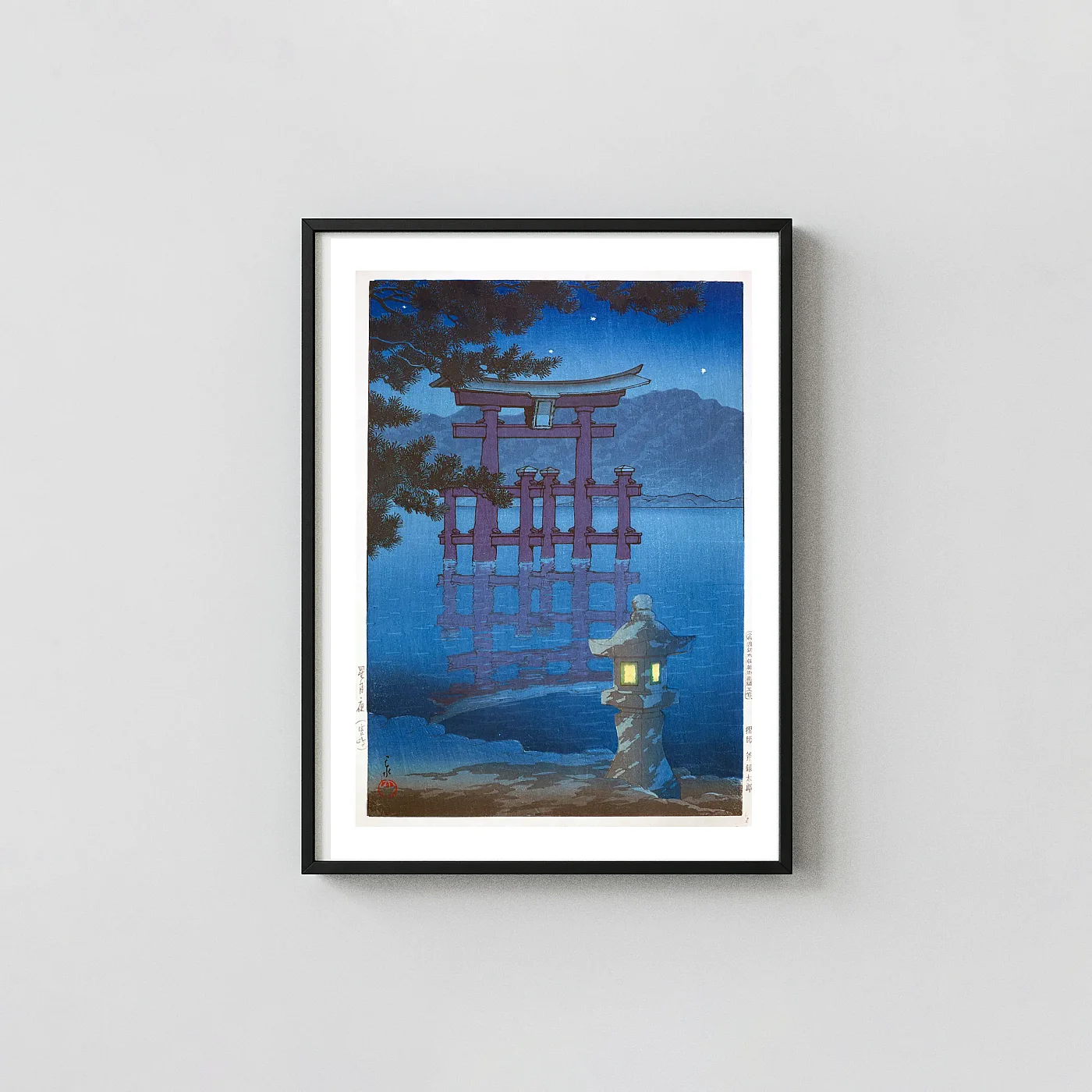 Art Prints
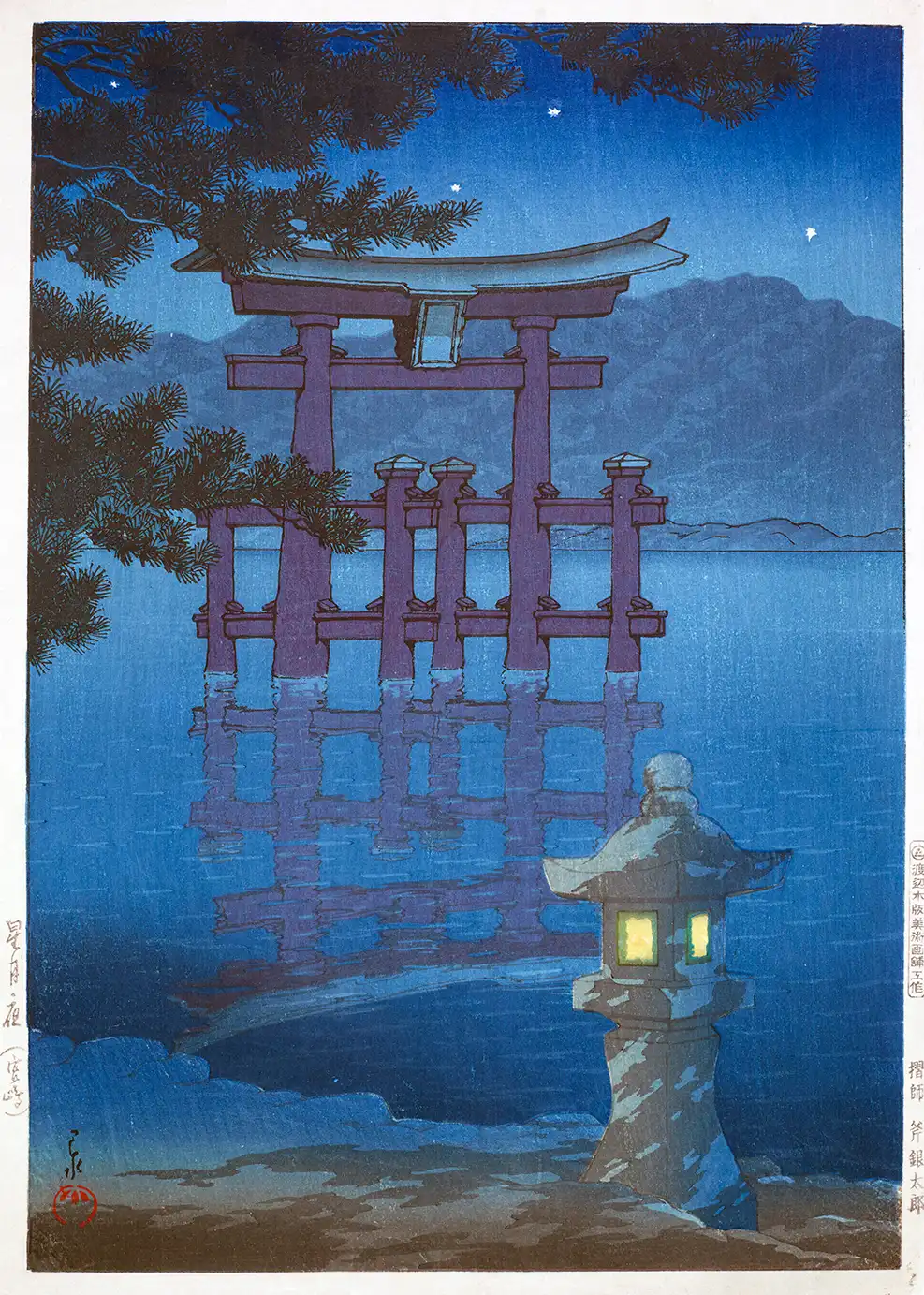
Miyajima Torii Gate Print - Classic 1928 Japanese Woodblock Wall Art
Price range: $3.90 through $74.90Select Options This product has multiple variants. The options may be chosen on the product page -
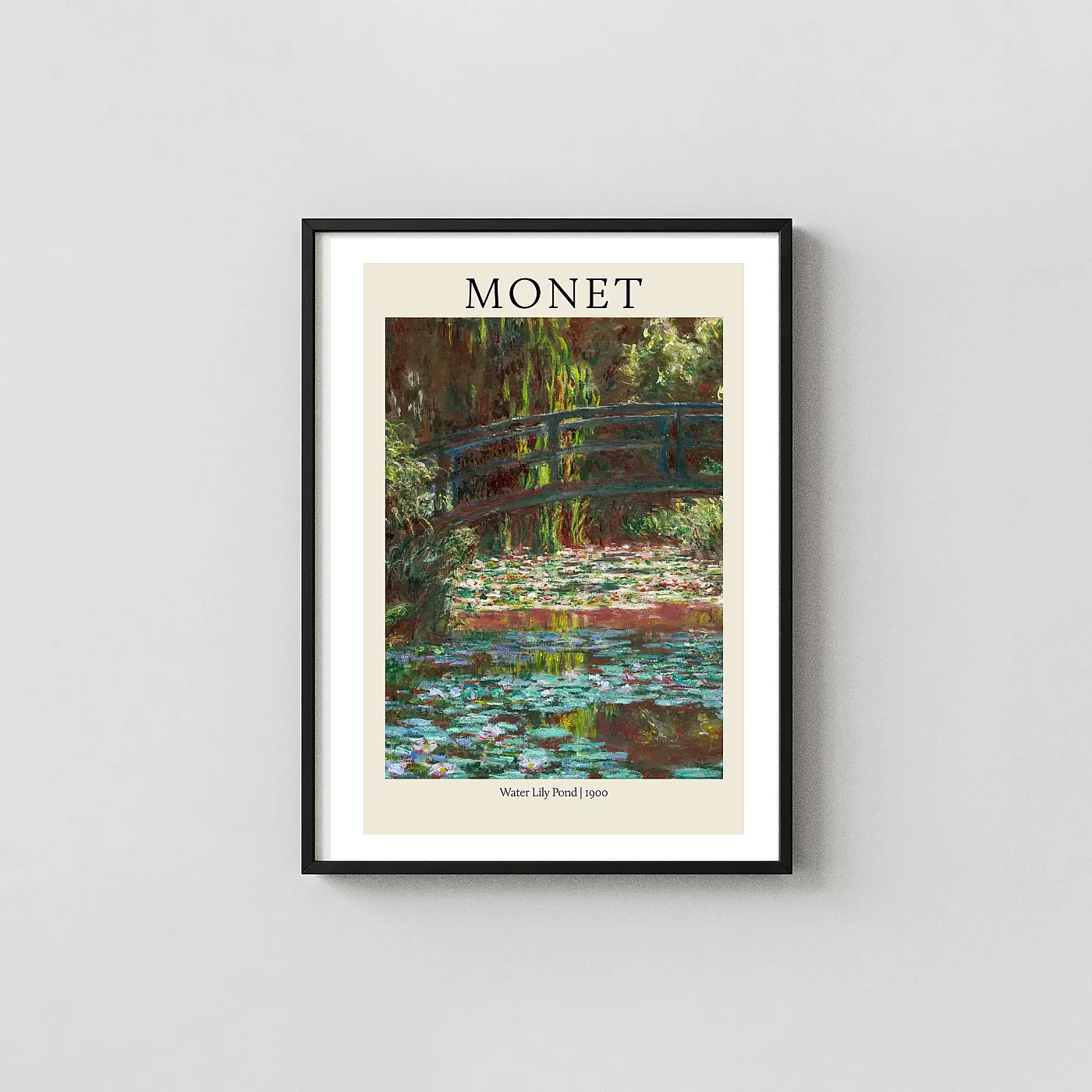 Art Prints
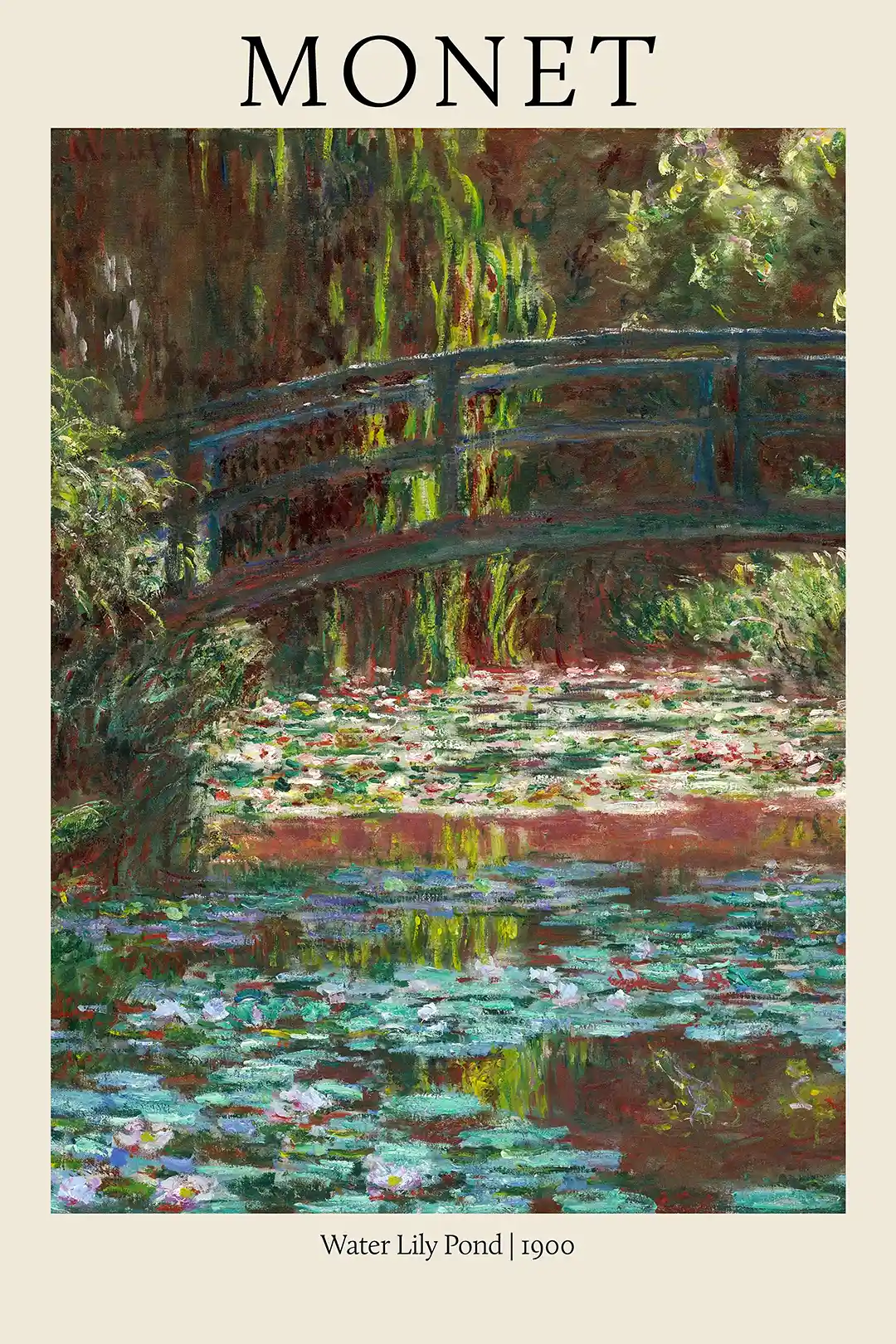
Monet's Water Lily Pond (1900) Poster | Japanese Bridge Giverny Impressionist Art Print
Price range: $3.90 through $59.90Select Options This product has multiple variants. The options may be chosen on the product page -
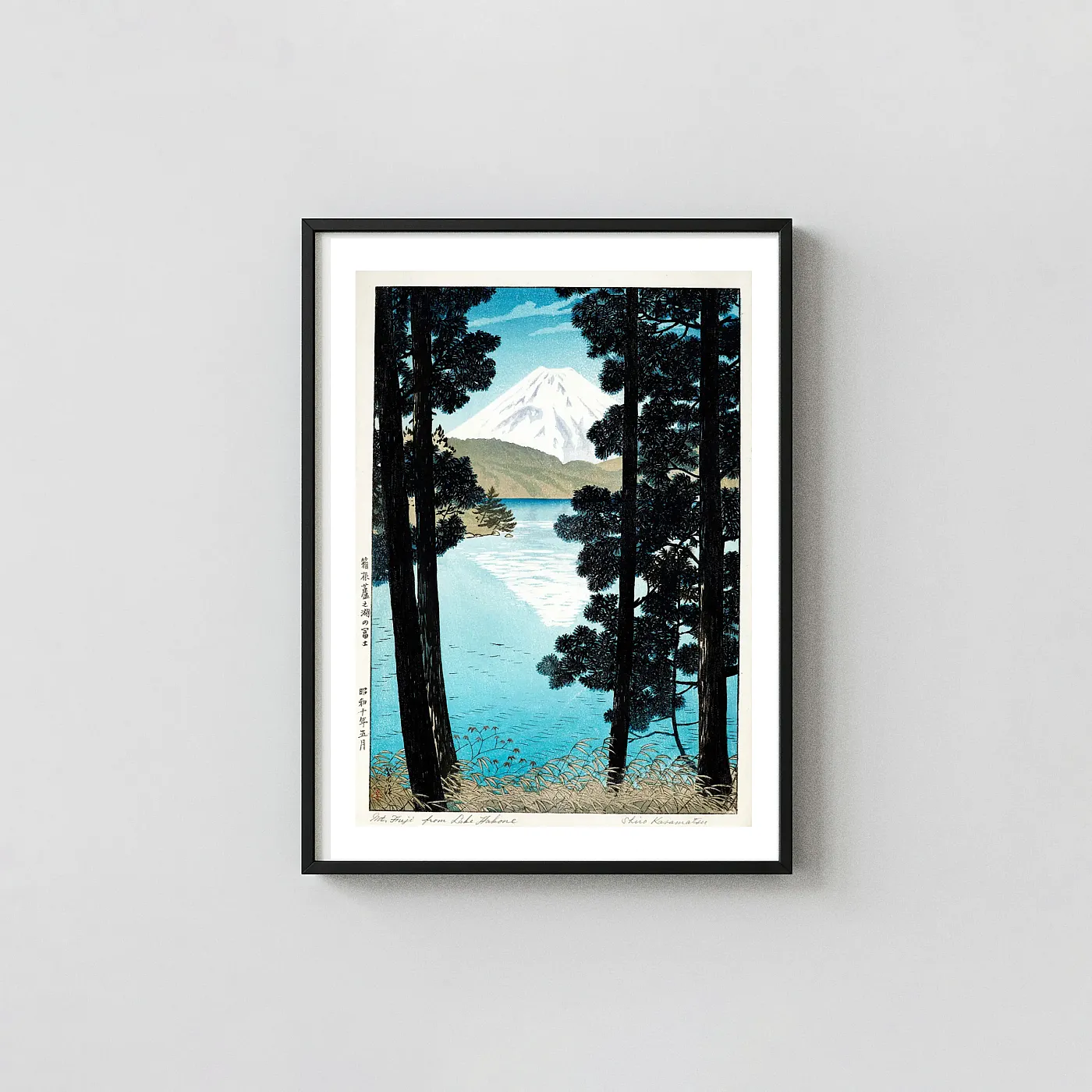 Art Prints
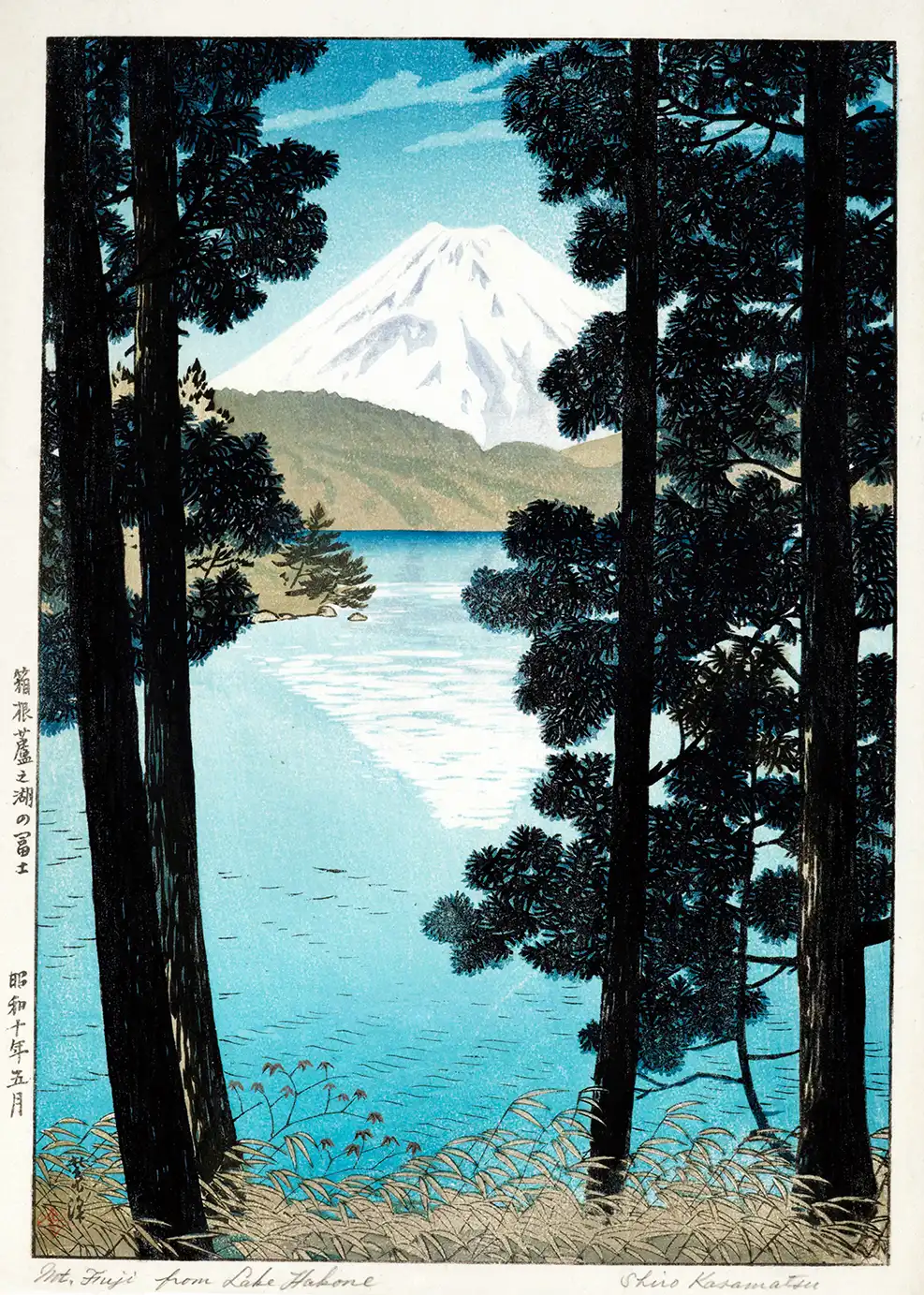
Mount Fuji Art - Shiro Kasamatsu Lake Hakone 1935 Woodblock Print
Price range: $3.90 through $74.90Select Options This product has multiple variants. The options may be chosen on the product page -
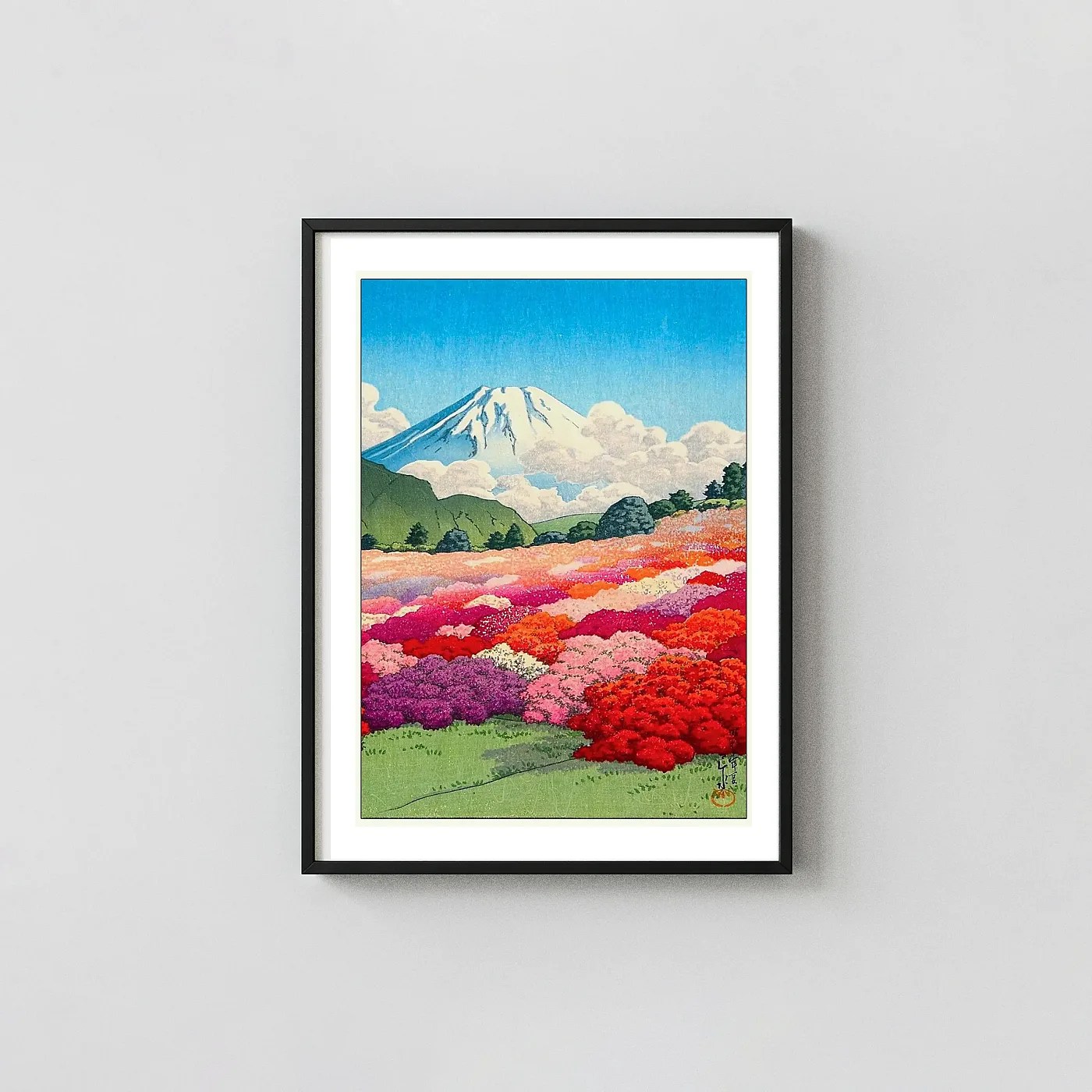 Art Prints
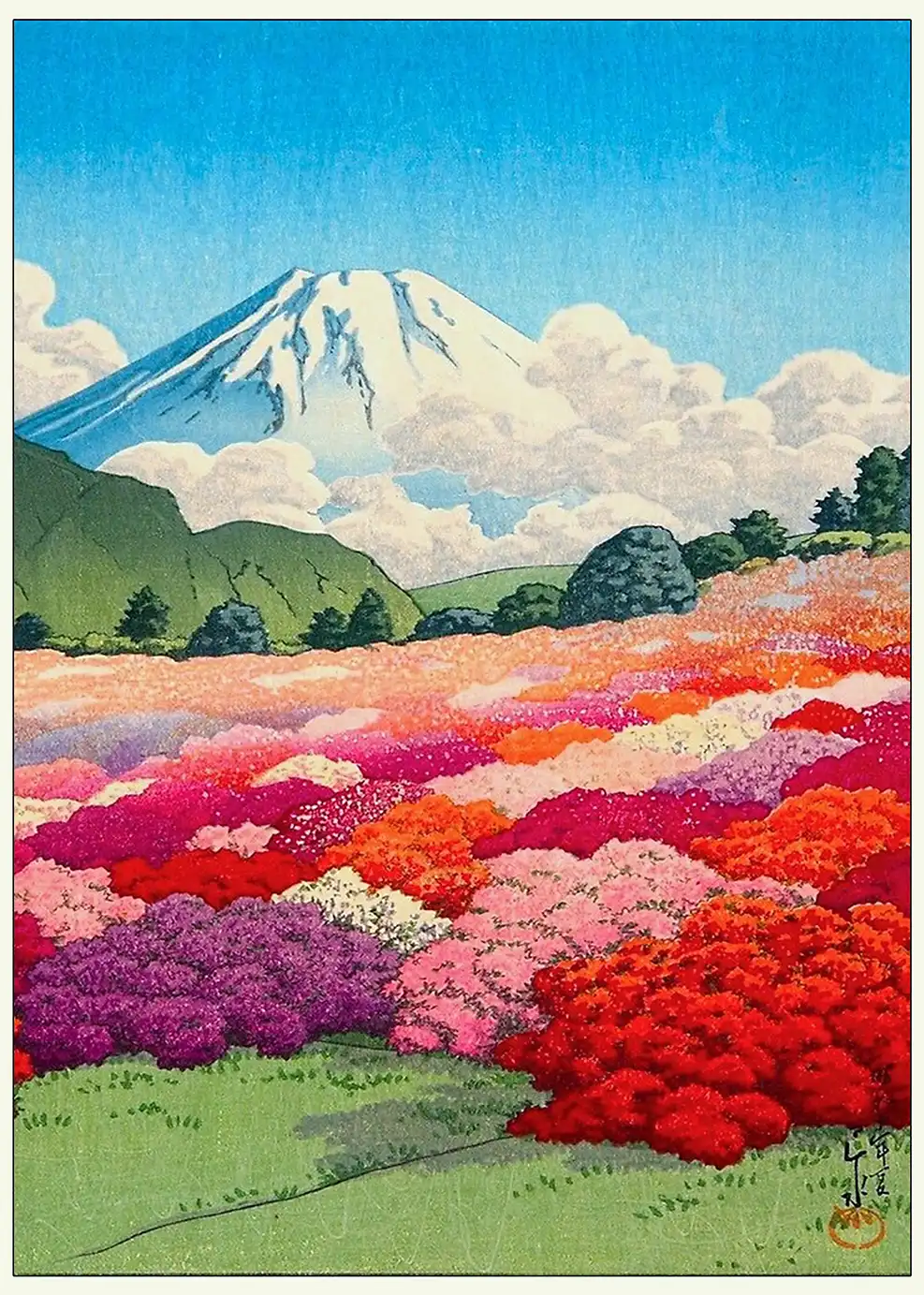
Mount Fuji Art Print - Vintage Japanese Azalea Garden Woodblock Illustration
Price range: $3.90 through $74.90Select Options This product has multiple variants. The options may be chosen on the product page -
 Art Prints
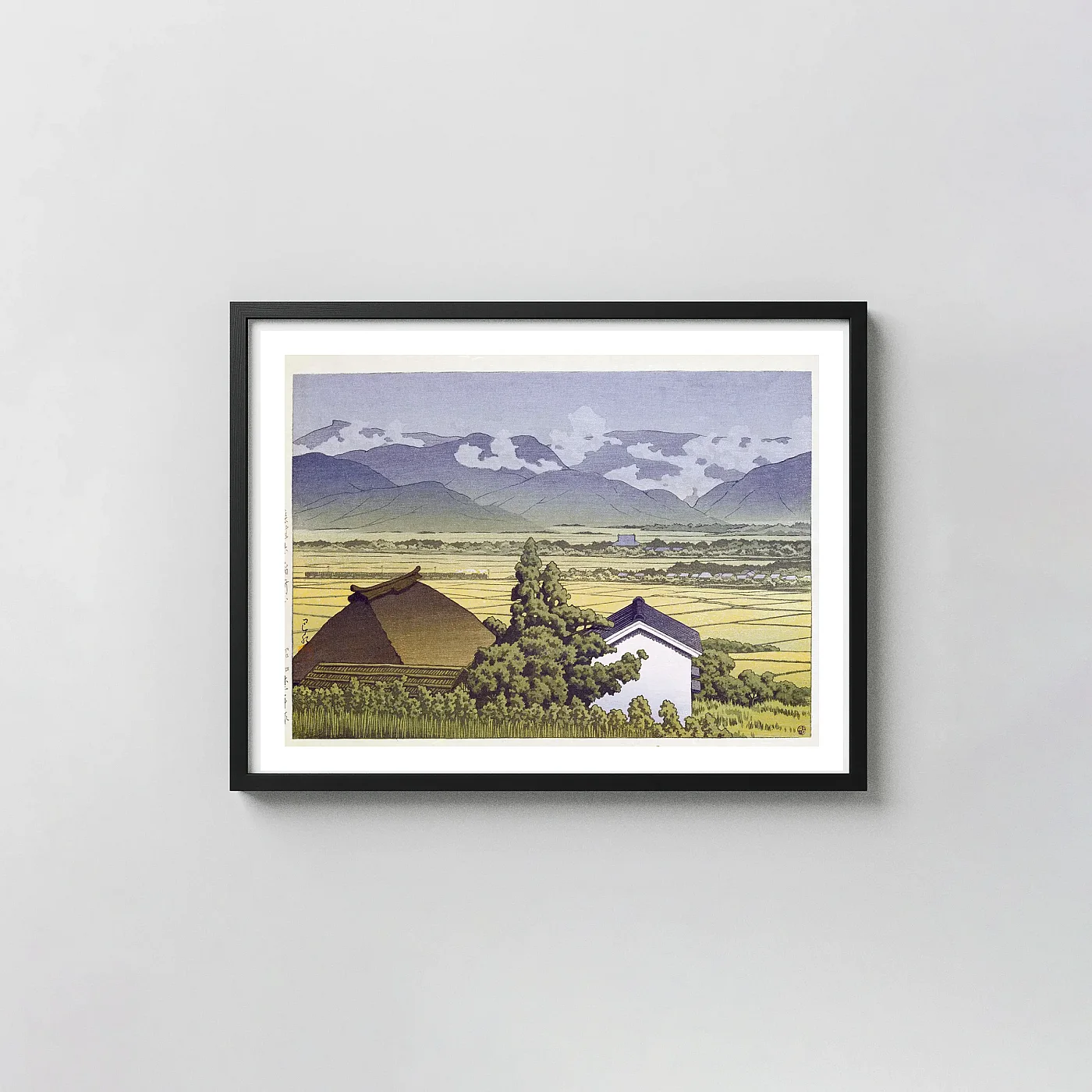
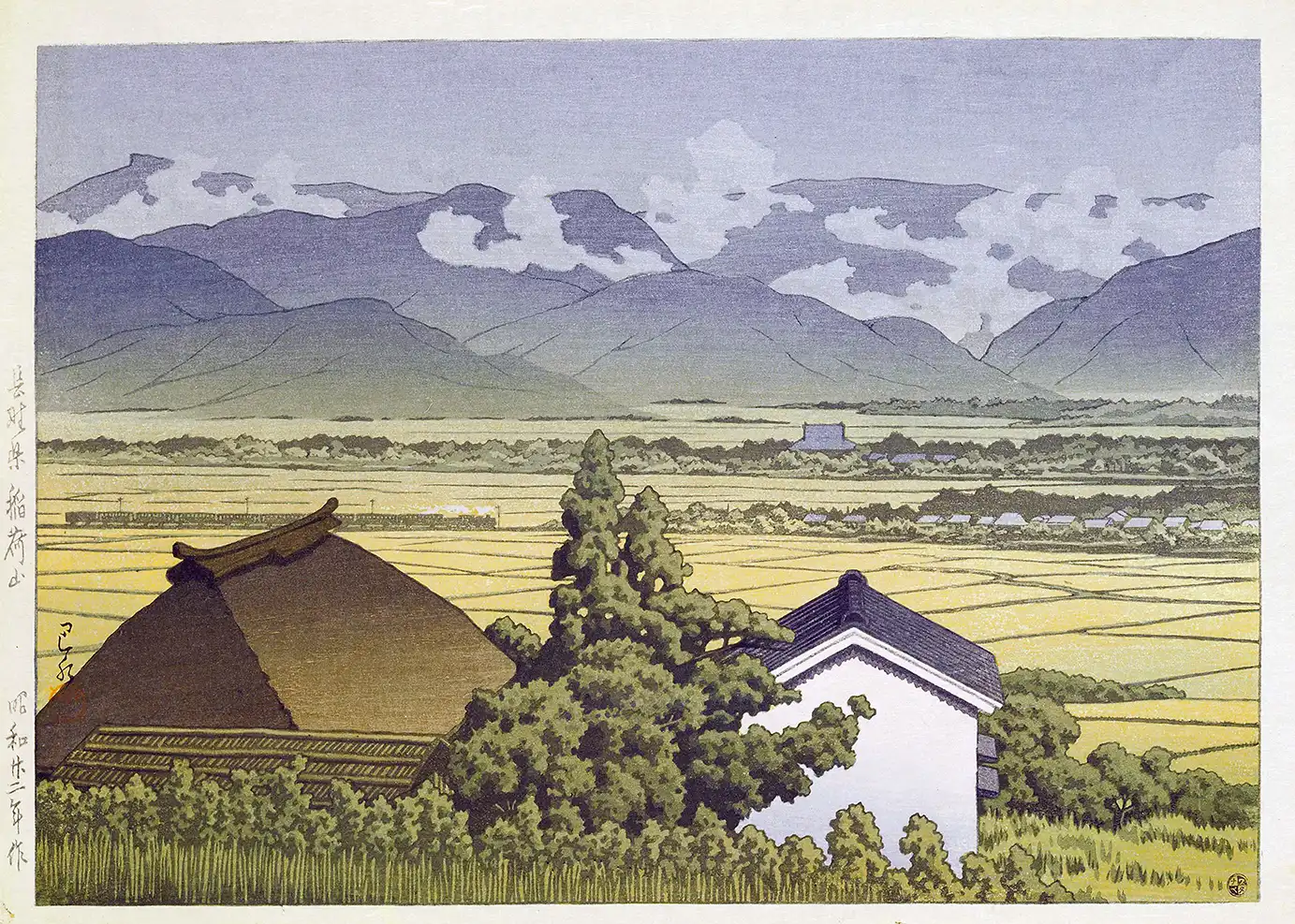
Nagano Woodblock Print - 1947 Mount Inari Shin-hanga Japanese Wall Art
Price range: $3.90 through $74.90Select Options This product has multiple variants. The options may be chosen on the product page -
Art Prints
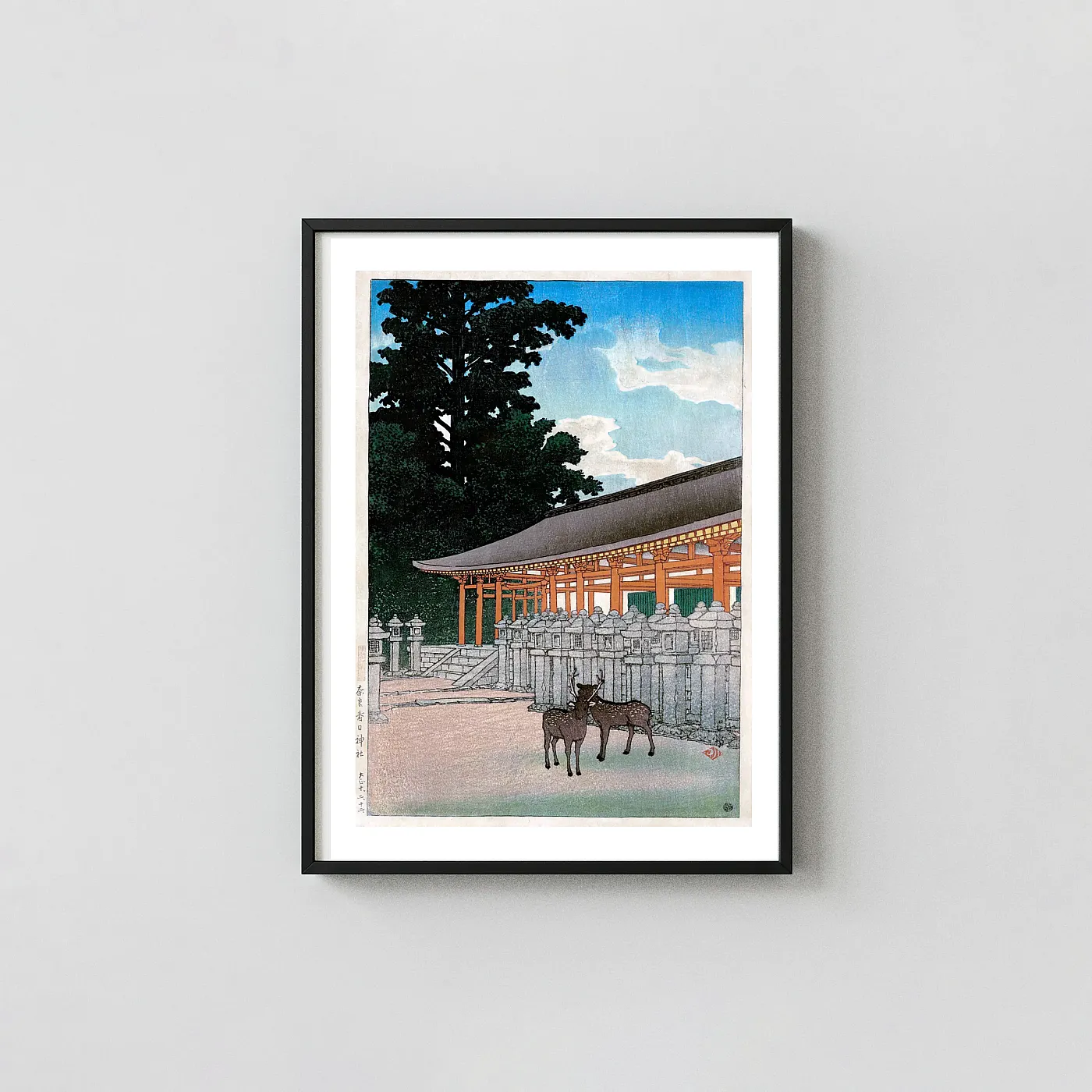
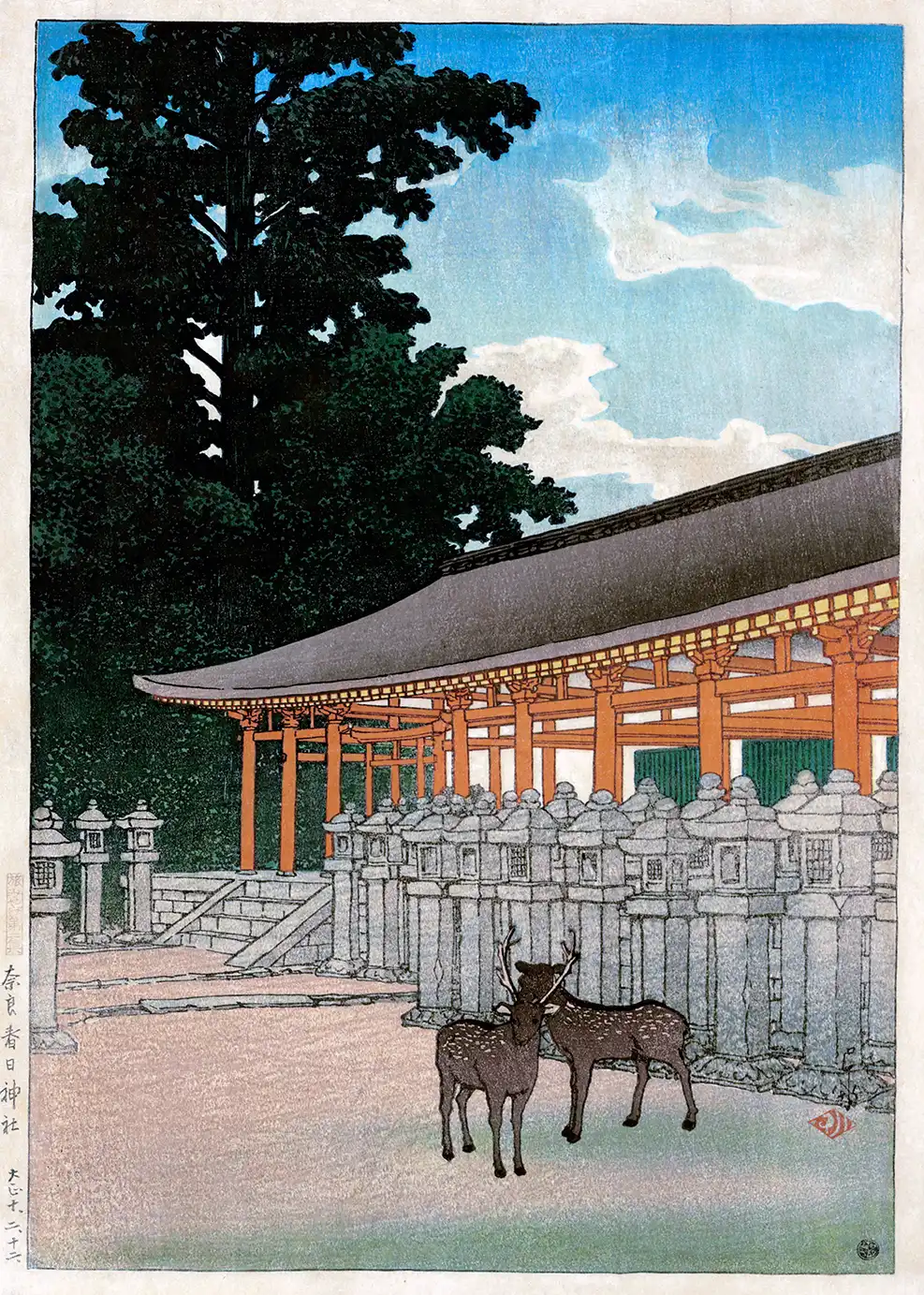
Nara Kasuga Shrine Print - Classic 1921 Japanese Woodblock Wall Art
Price range: $3.90 through $74.90Select Options This product has multiple variants. The options may be chosen on the product page -
Art Prints
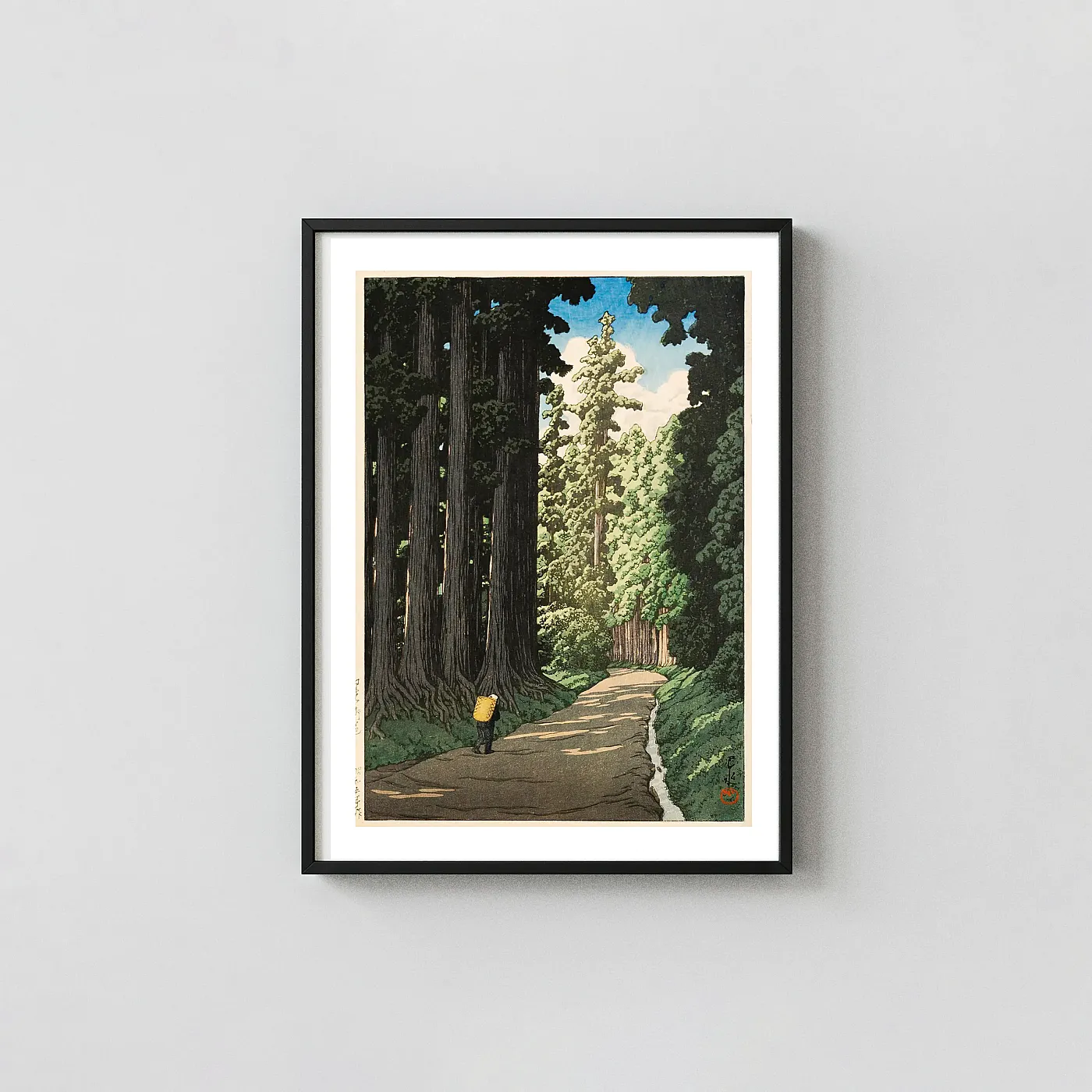
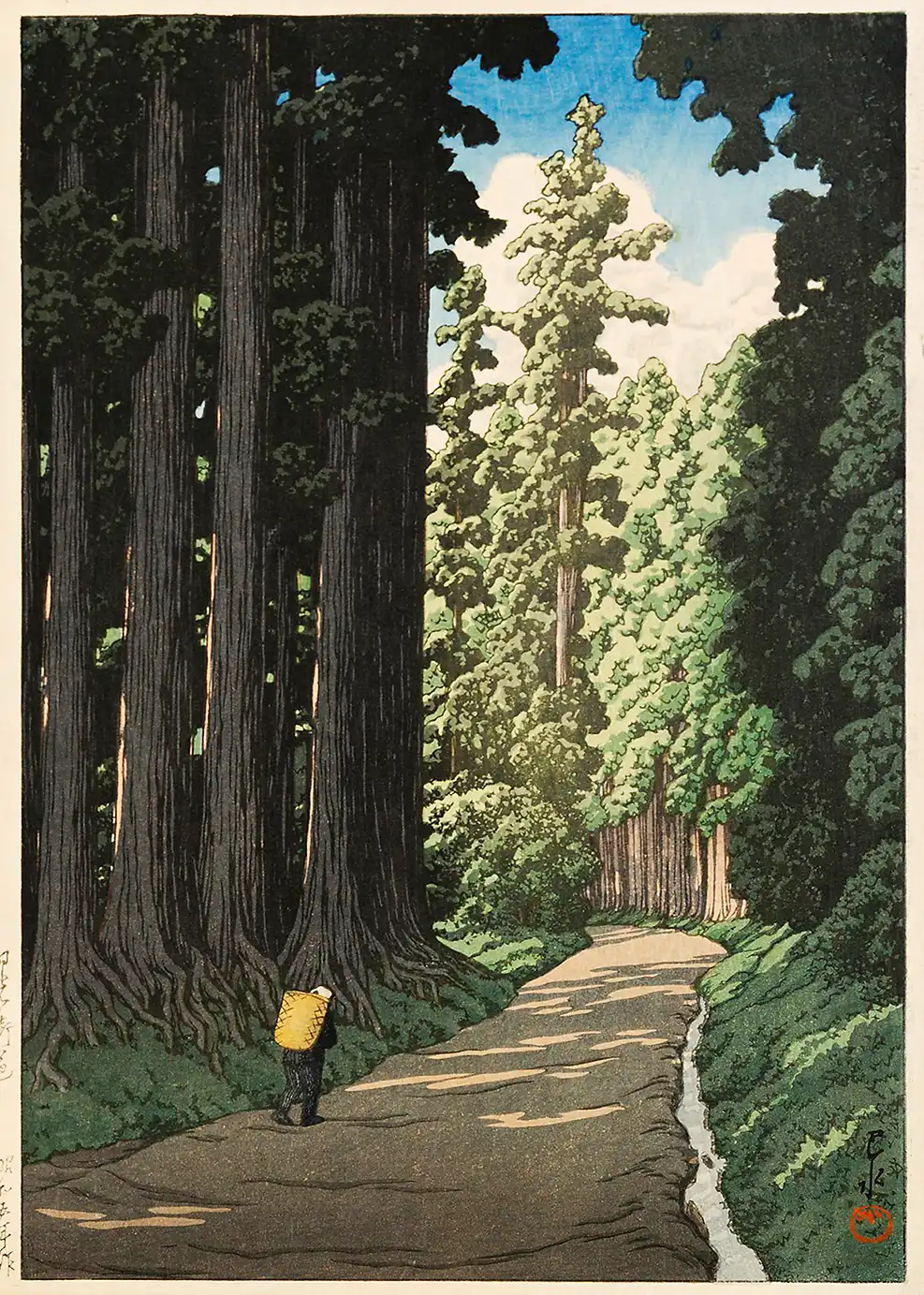
Nikko Woodblock Print - Classic Kawase Hasui 1930 Japanese Wall Art
Price range: $3.90 through $74.90Select Options This product has multiple variants. The options may be chosen on the product page -
Art Prints
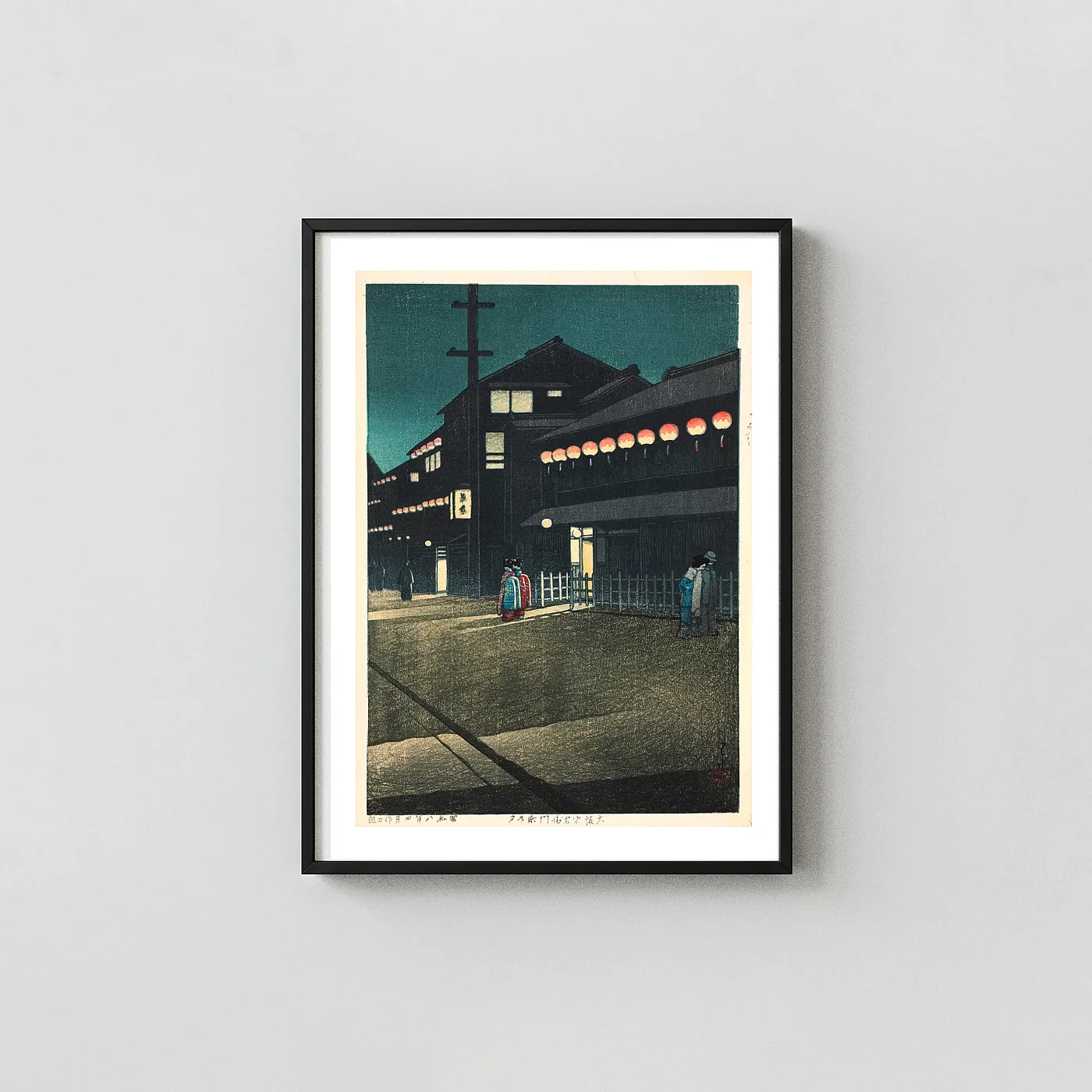
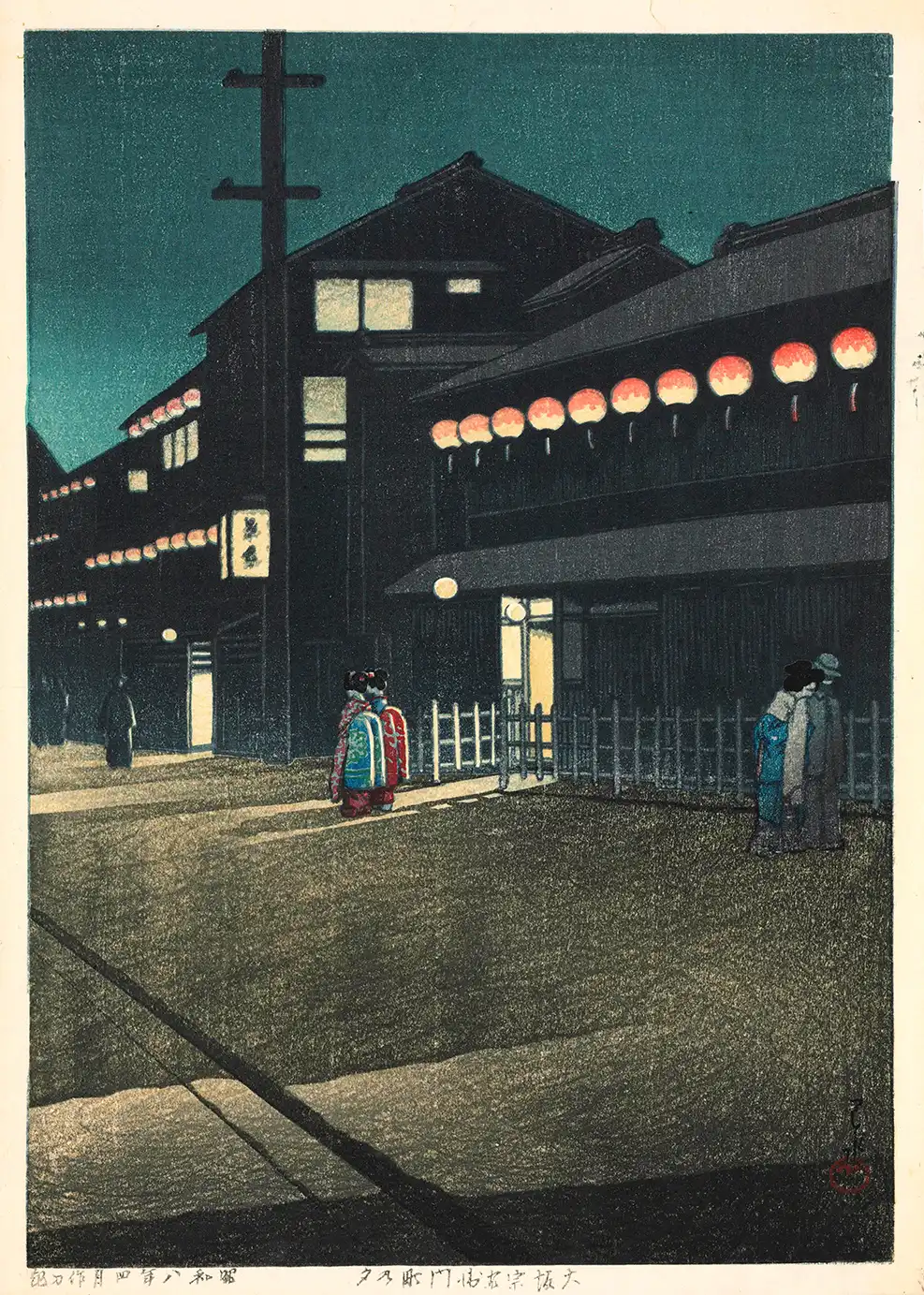
Osaka woodblock print - Classic 1933 Tsuchiya Koitsu Night Scene Art
Price range: $3.90 through $74.90Select Options This product has multiple variants. The options may be chosen on the product page -
Art Prints
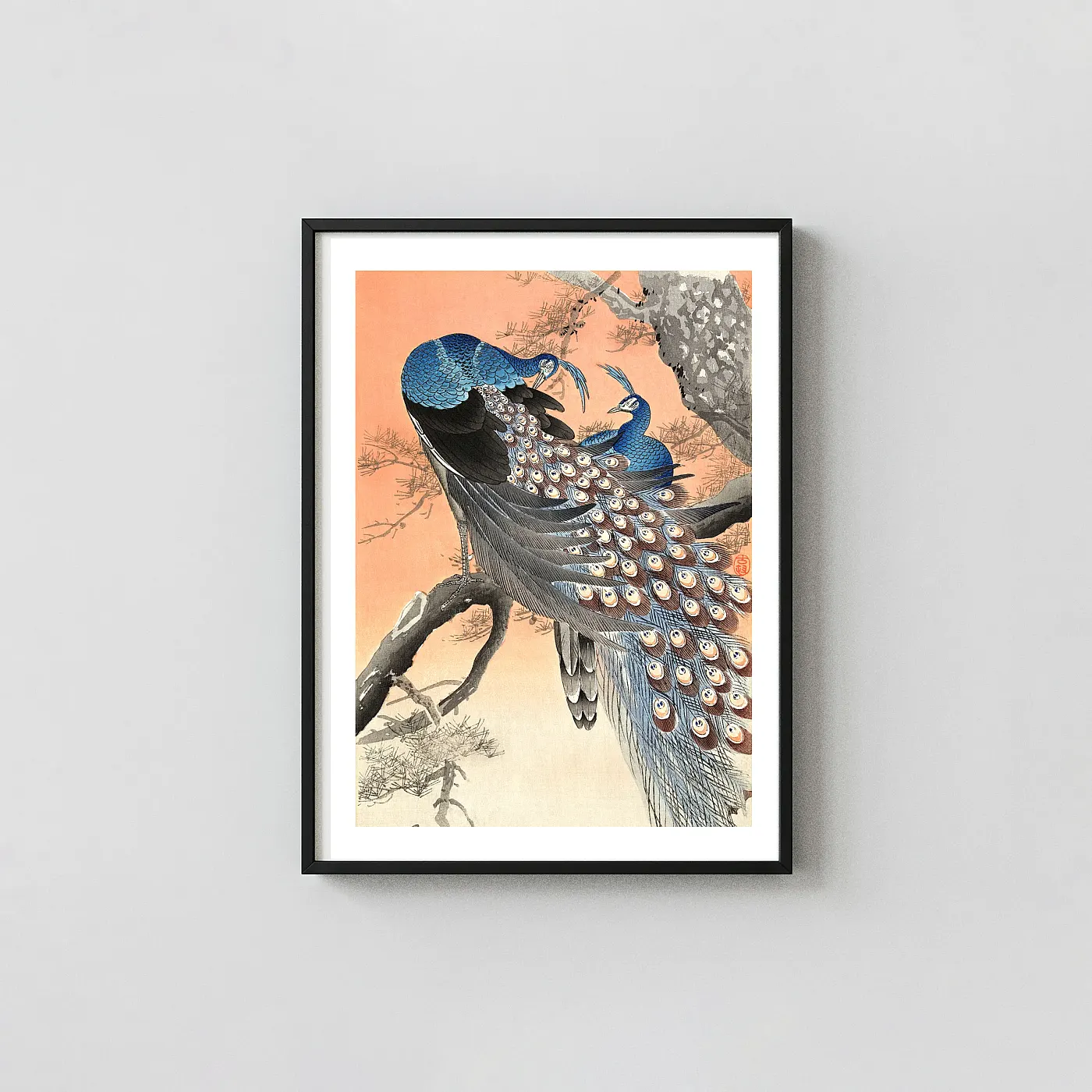
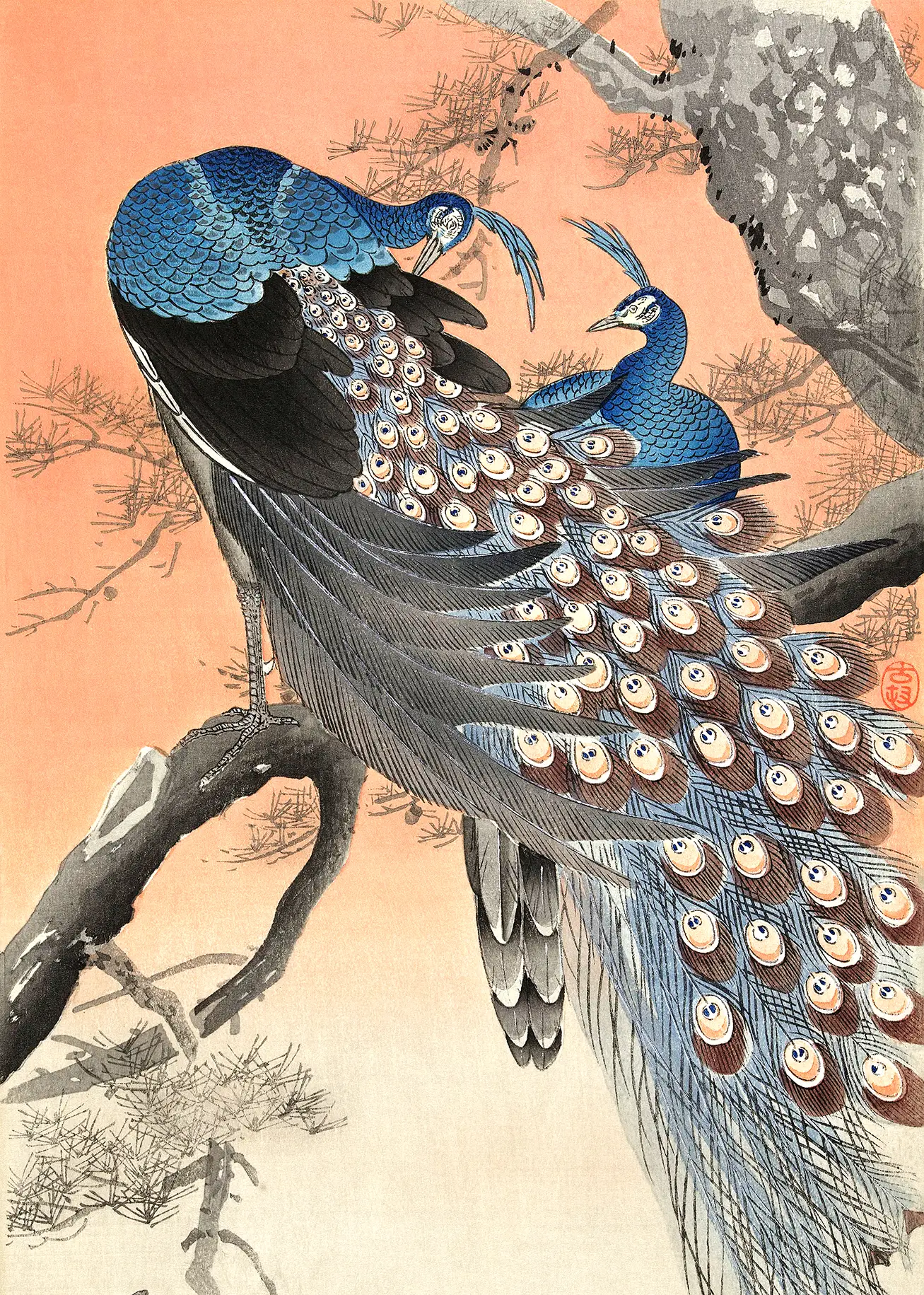
Peacock woodblock print - Vintage Japanese Bird Art Wall Decor
Price range: $3.90 through $74.90Select Options This product has multiple variants. The options may be chosen on the product page -
Art Prints
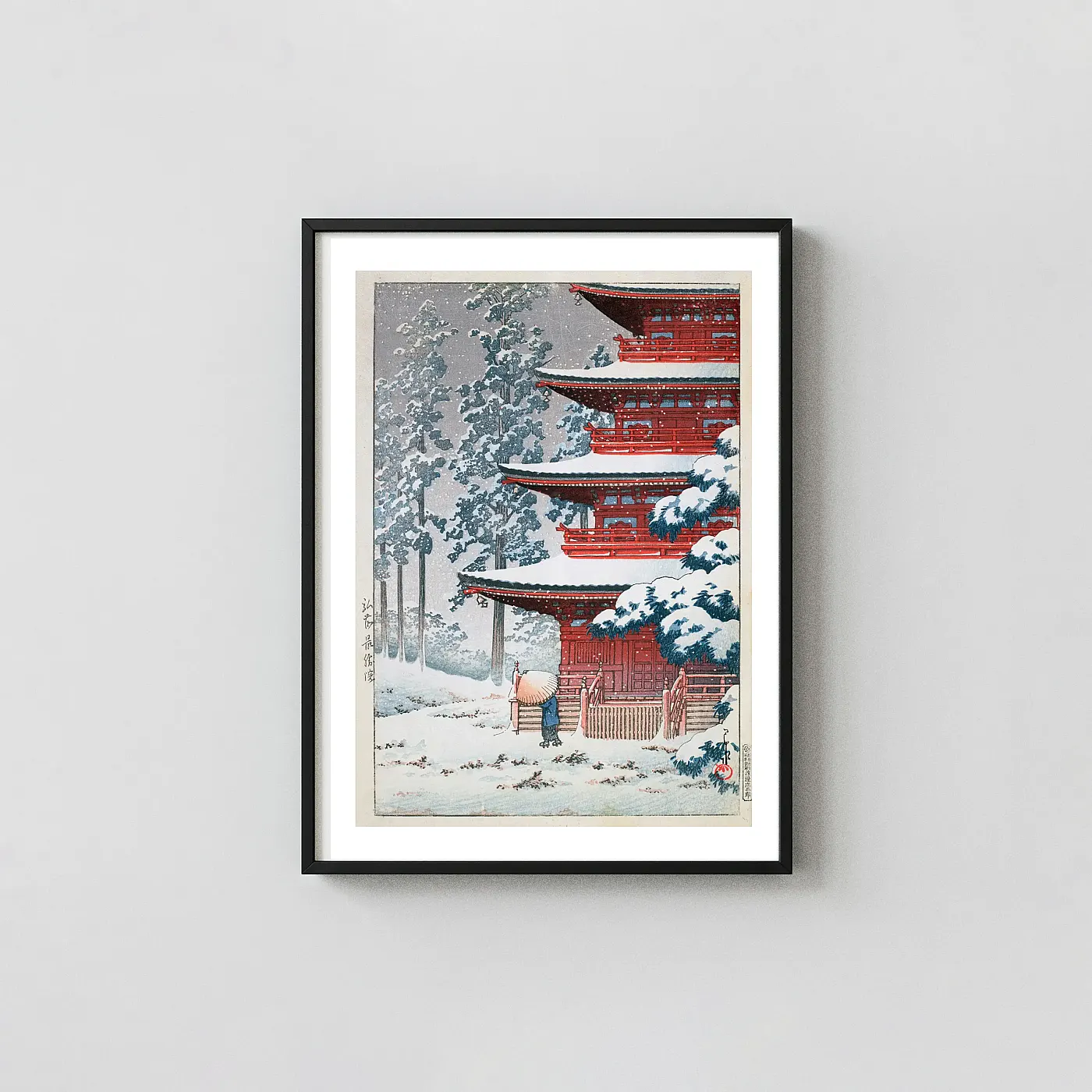
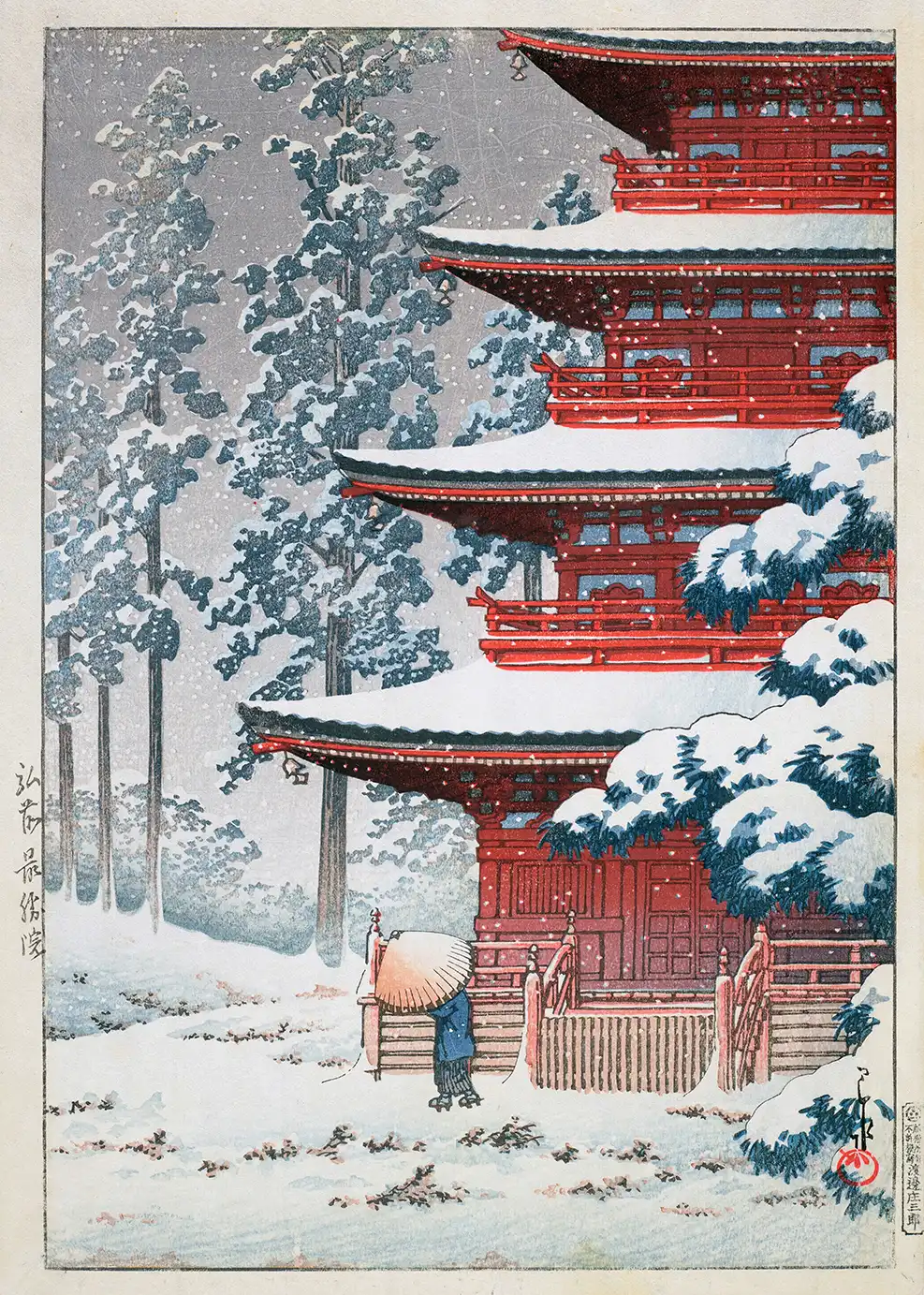
Saishoin Temple Print - Hirosaki Japan 1936 Woodblock Winter Wall Art
Price range: $3.90 through $74.90Select Options This product has multiple variants. The options may be chosen on the product page -
Art Prints
Sanno Shrine Print - Japanese Woodblock Summer Rain Wall Art
Price range: $3.90 through $74.90Select Options This product has multiple variants. The options may be chosen on the product page -
Art Prints
Tanigumi Temple print - Authentic 1947 Mino Province Japanese Wall Art
Price range: $3.90 through $74.90Select Options This product has multiple variants. The options may be chosen on the product page -
Art Prints
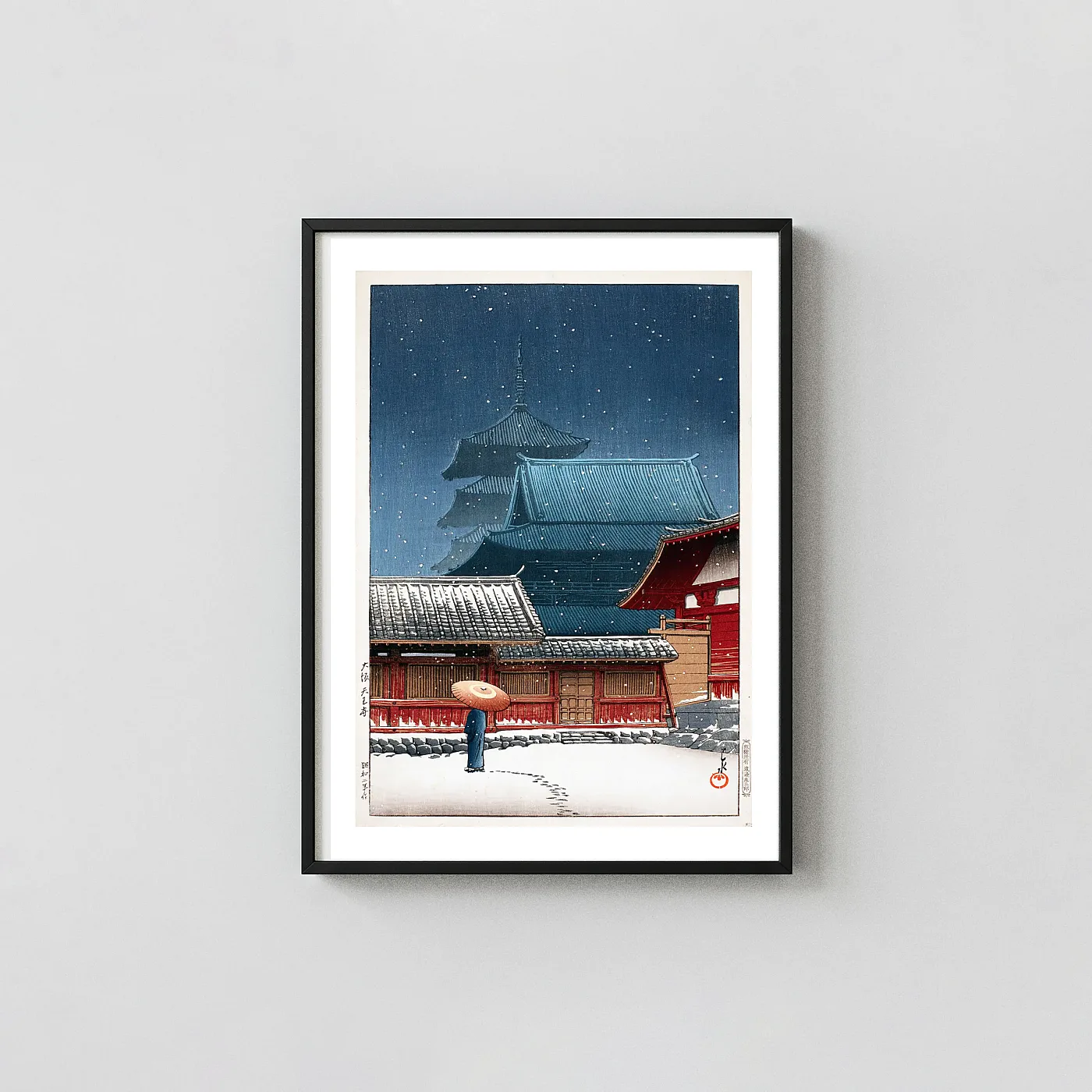
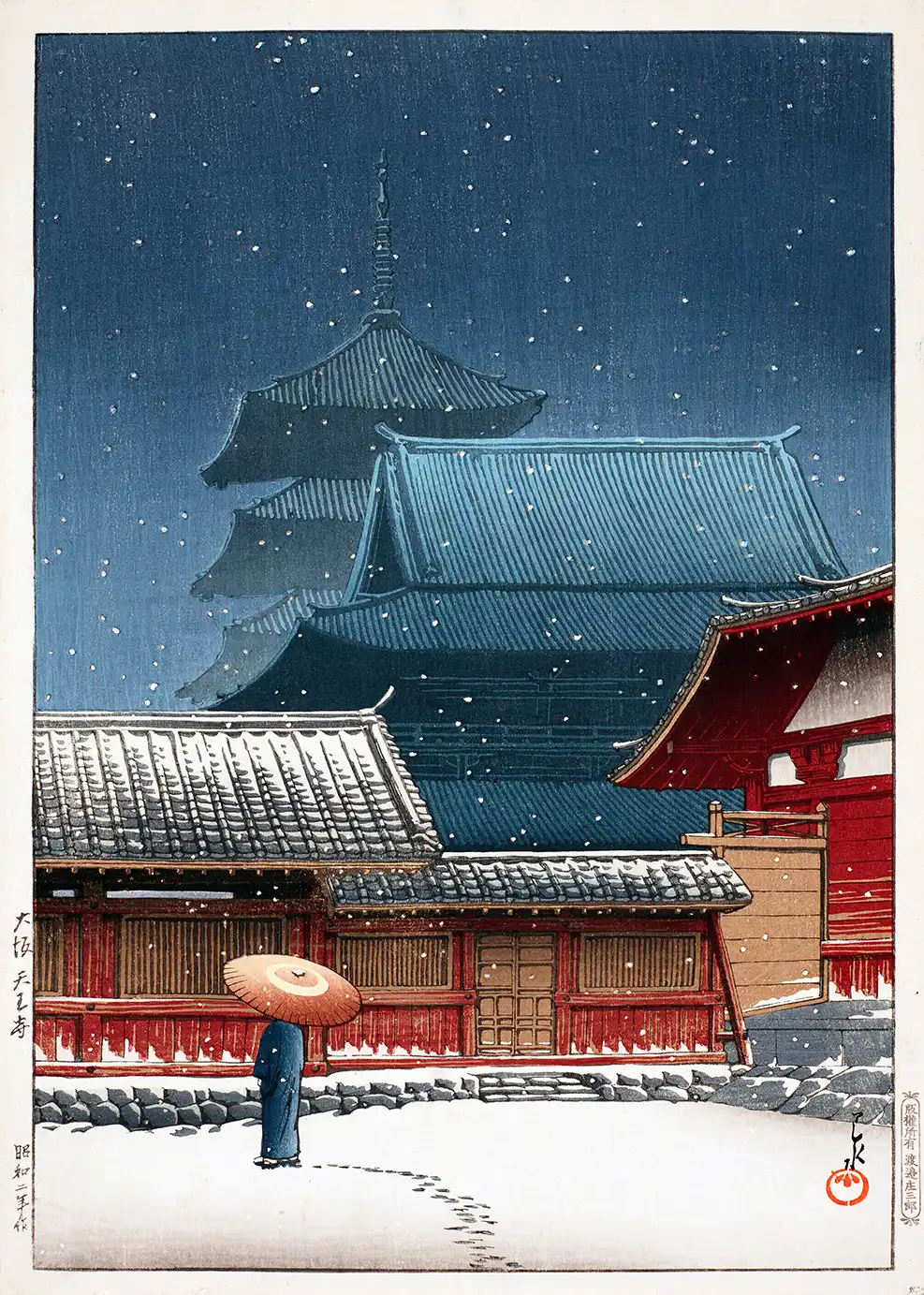
Tennoji Temple Osaka print - Classic 1927 Japanese Woodblock Wall Art
Price range: $3.90 through $74.90Select Options This product has multiple variants. The options may be chosen on the product page -
Art Prints
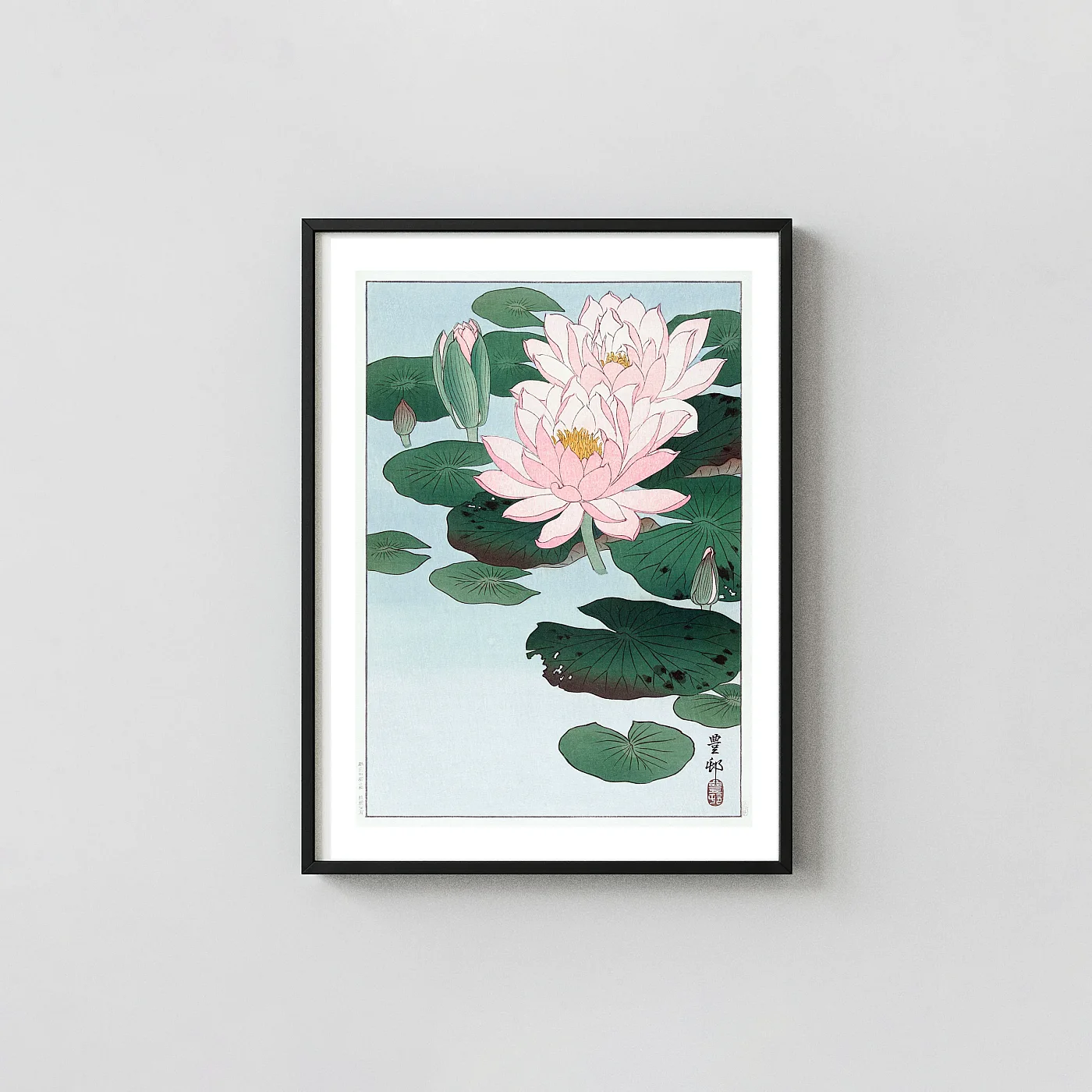
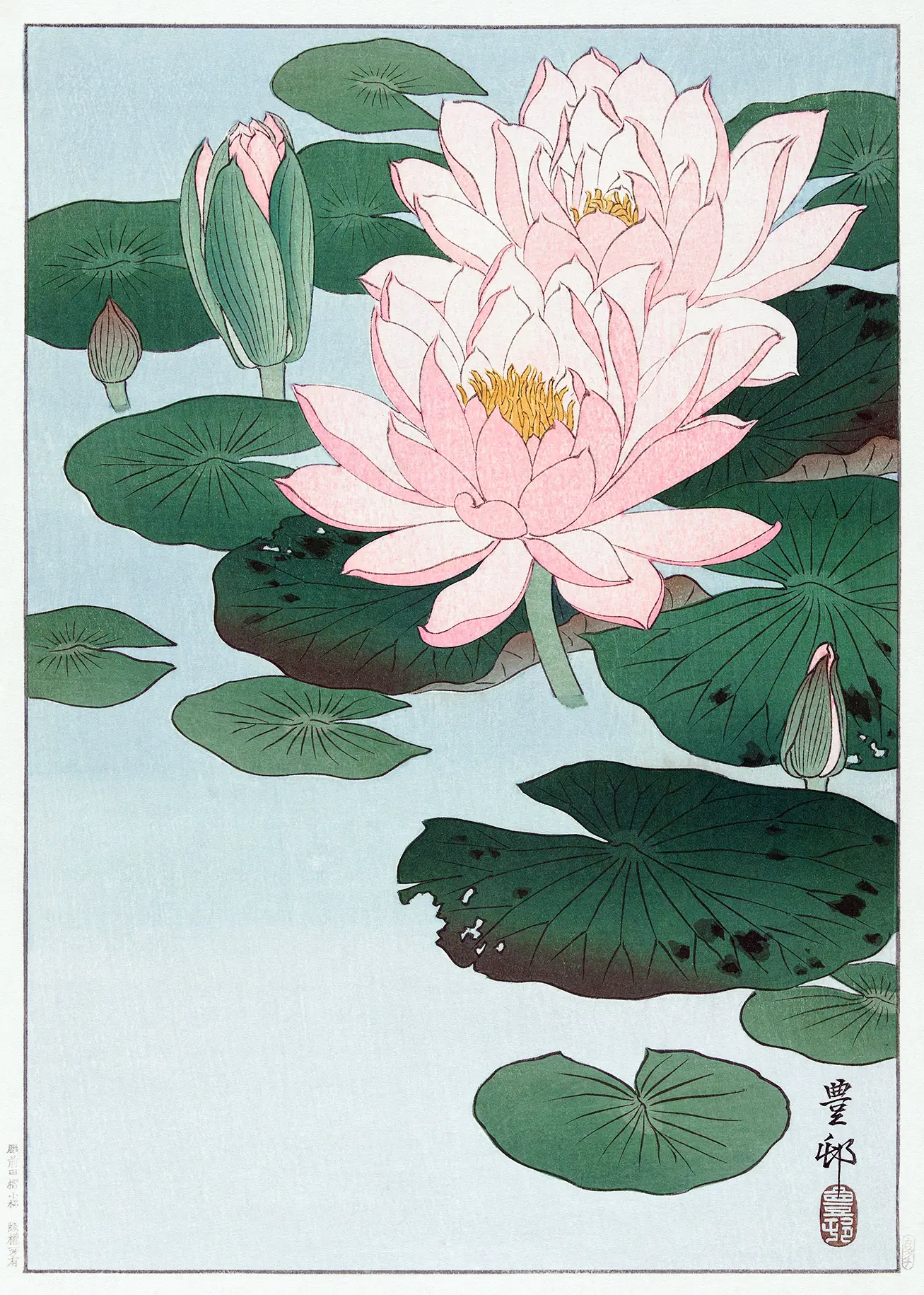
Water Lily Art Print - Ohara Koson 1920s Japanese Woodblock Poster
Price range: $3.90 through $74.90Select Options This product has multiple variants. The options may be chosen on the product page -
Abstract Art Prints
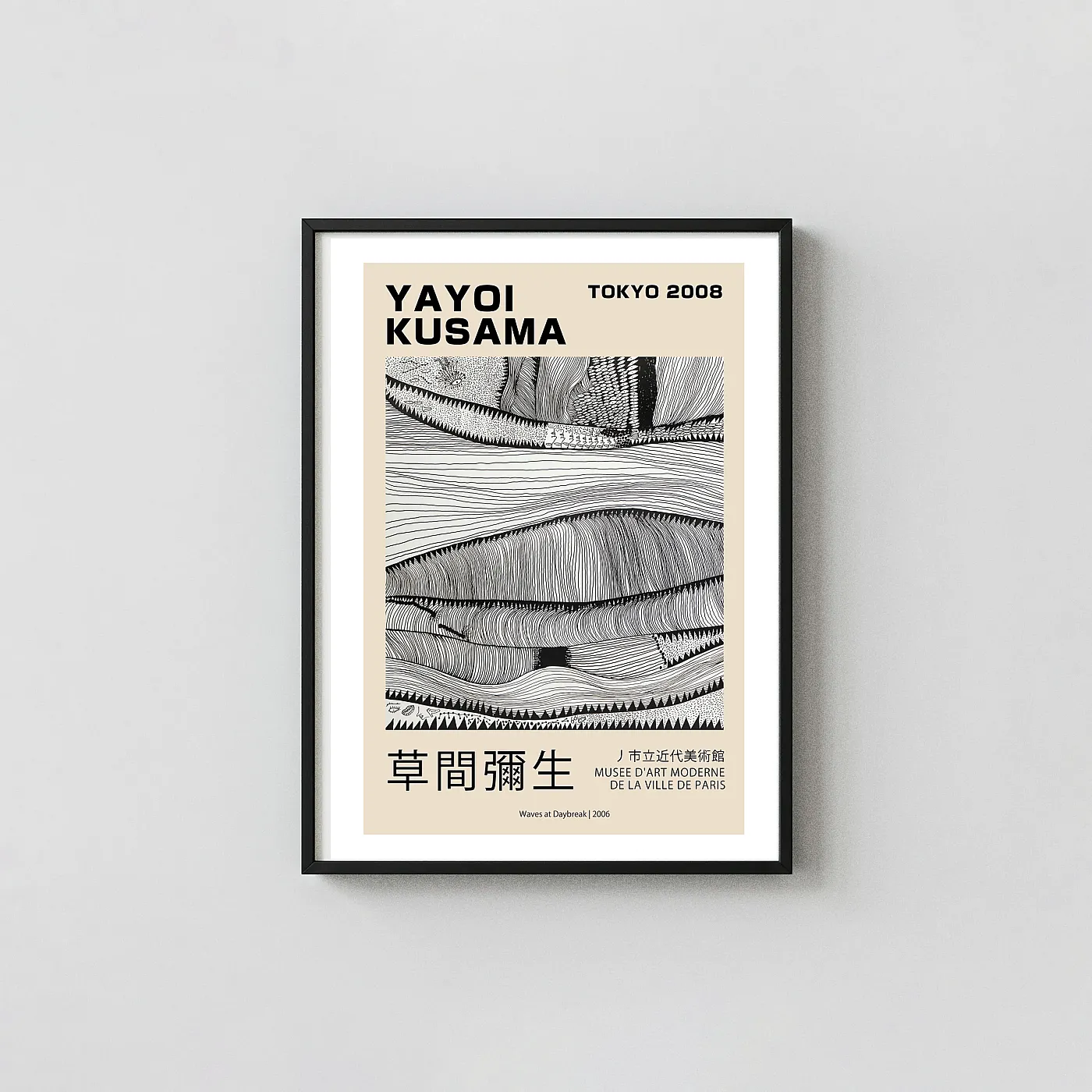
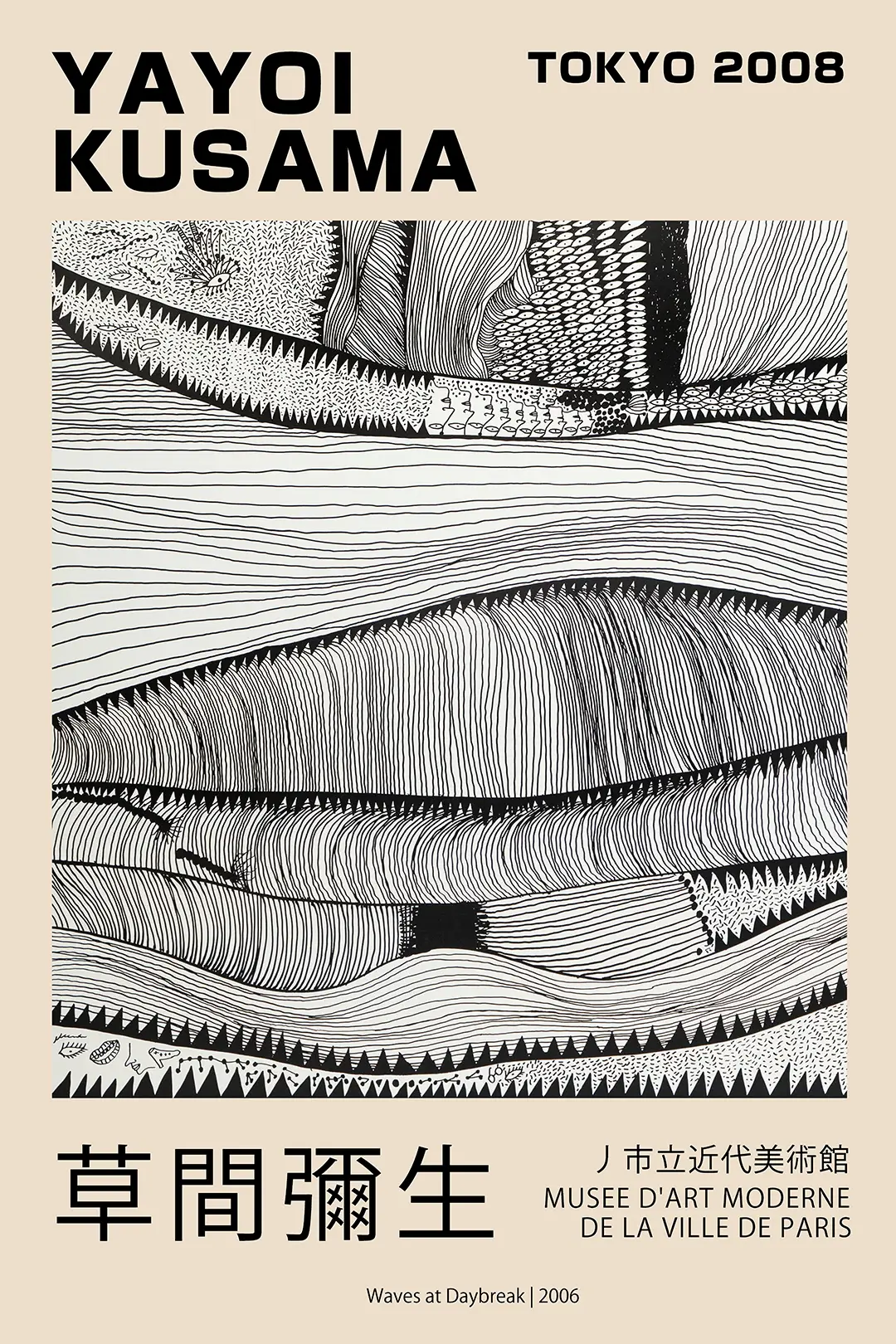
Yayoi Kusama Art Print - Waves at Daybreak Tokyo Exhibition Poster
Price range: $3.90 through $74.90Select Options This product has multiple variants. The options may be chosen on the product page -
Abstract Art Prints
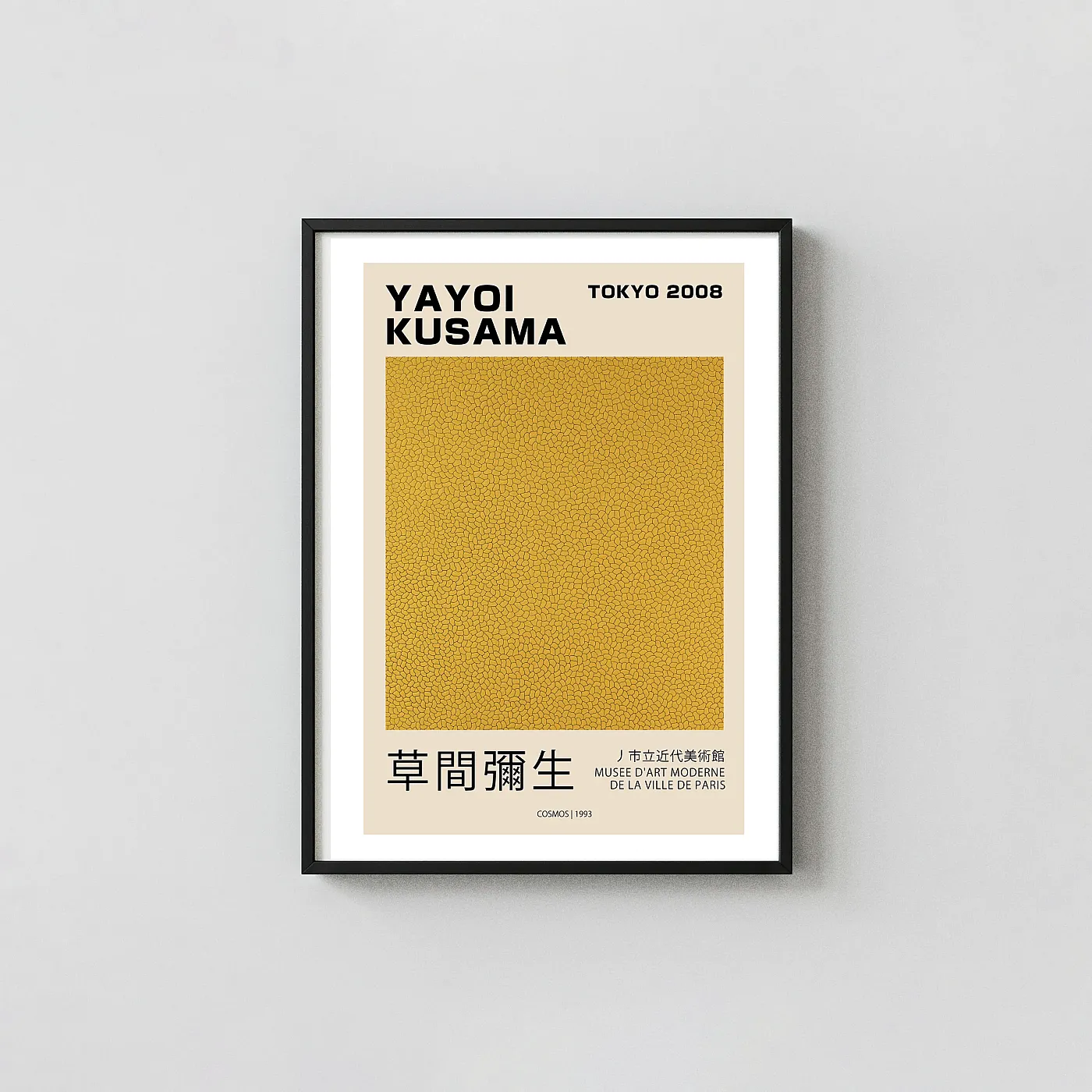
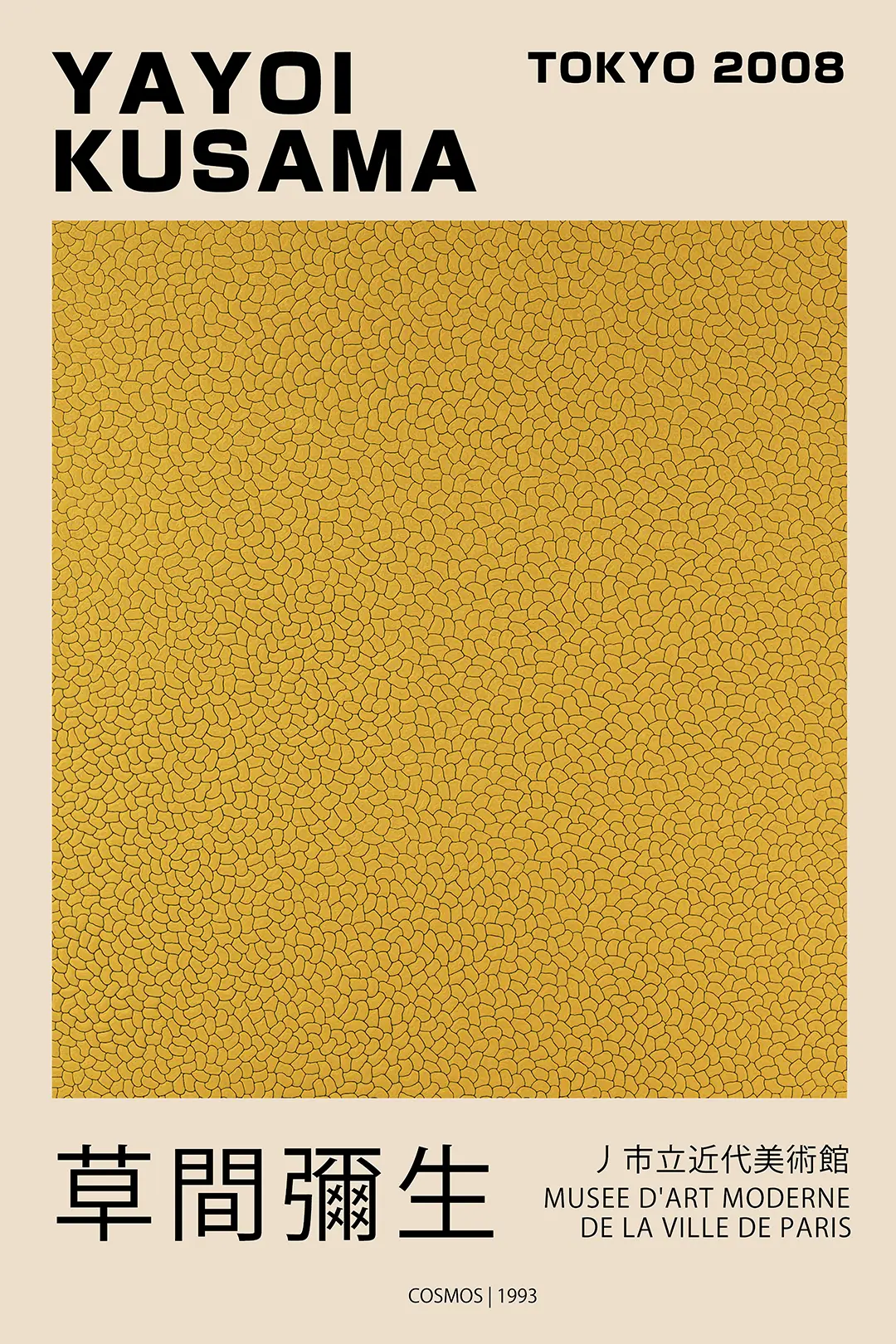
Yayoi Kusama Cosmos Poster - Tokyo 2008 Museum Exhibition Print
Price range: $3.90 through $74.90Select Options This product has multiple variants. The options may be chosen on the product page -
Abstract Art Prints
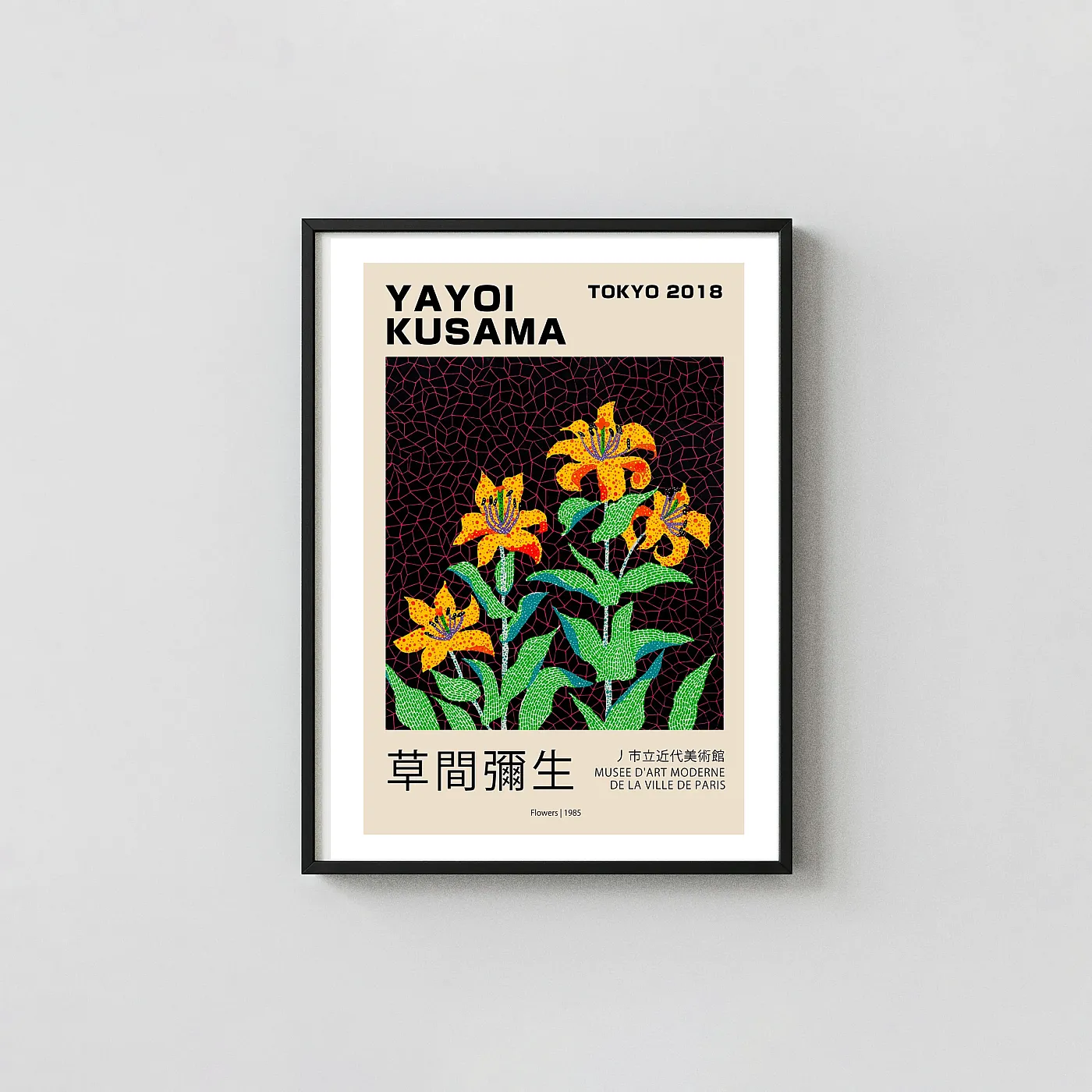
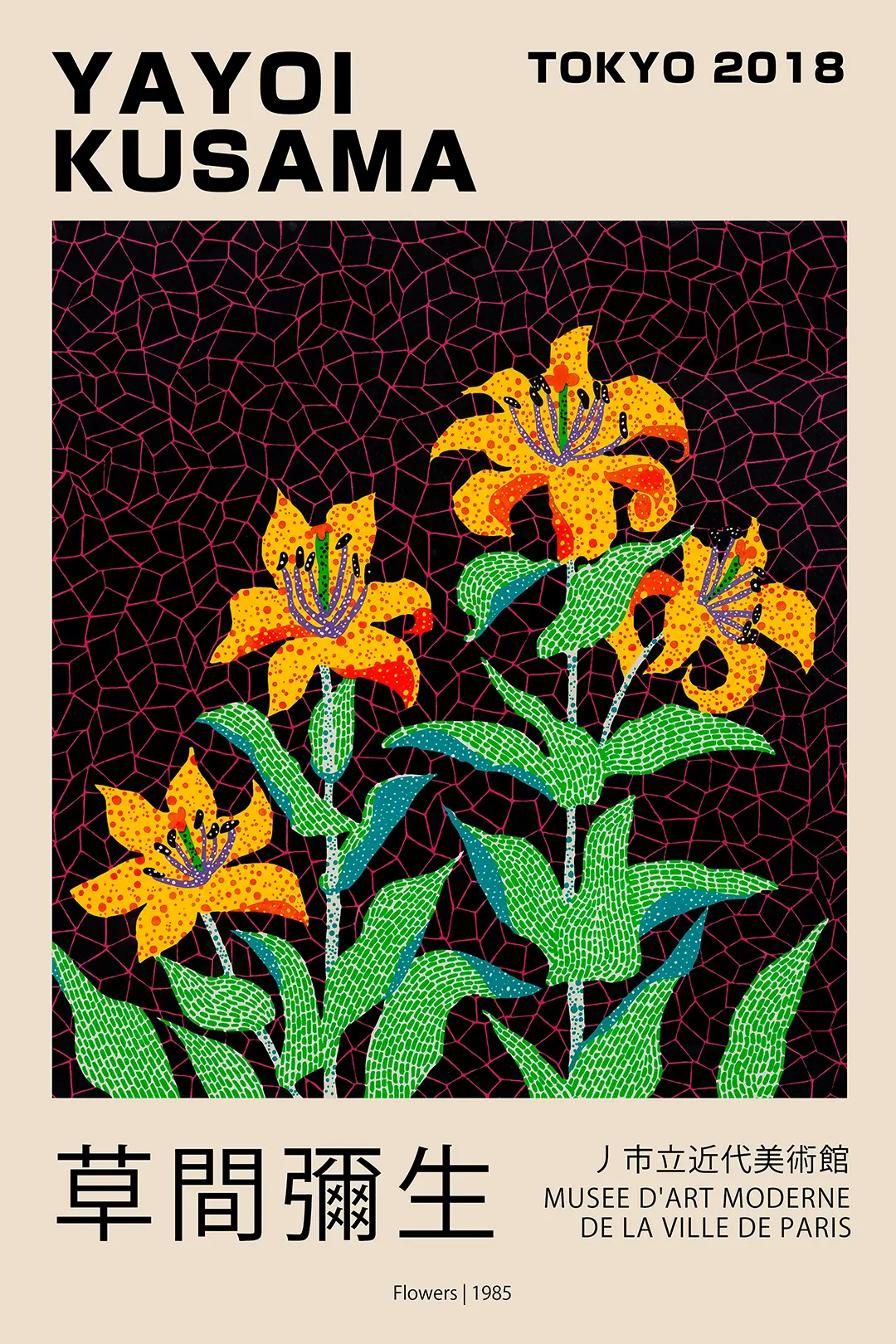
Yayoi Kusama flower poster - Authentic 1985 Tokyo Exhibition Art Print
Price range: $3.90 through $74.90Select Options This product has multiple variants. The options may be chosen on the product page -
Abstract Art Prints
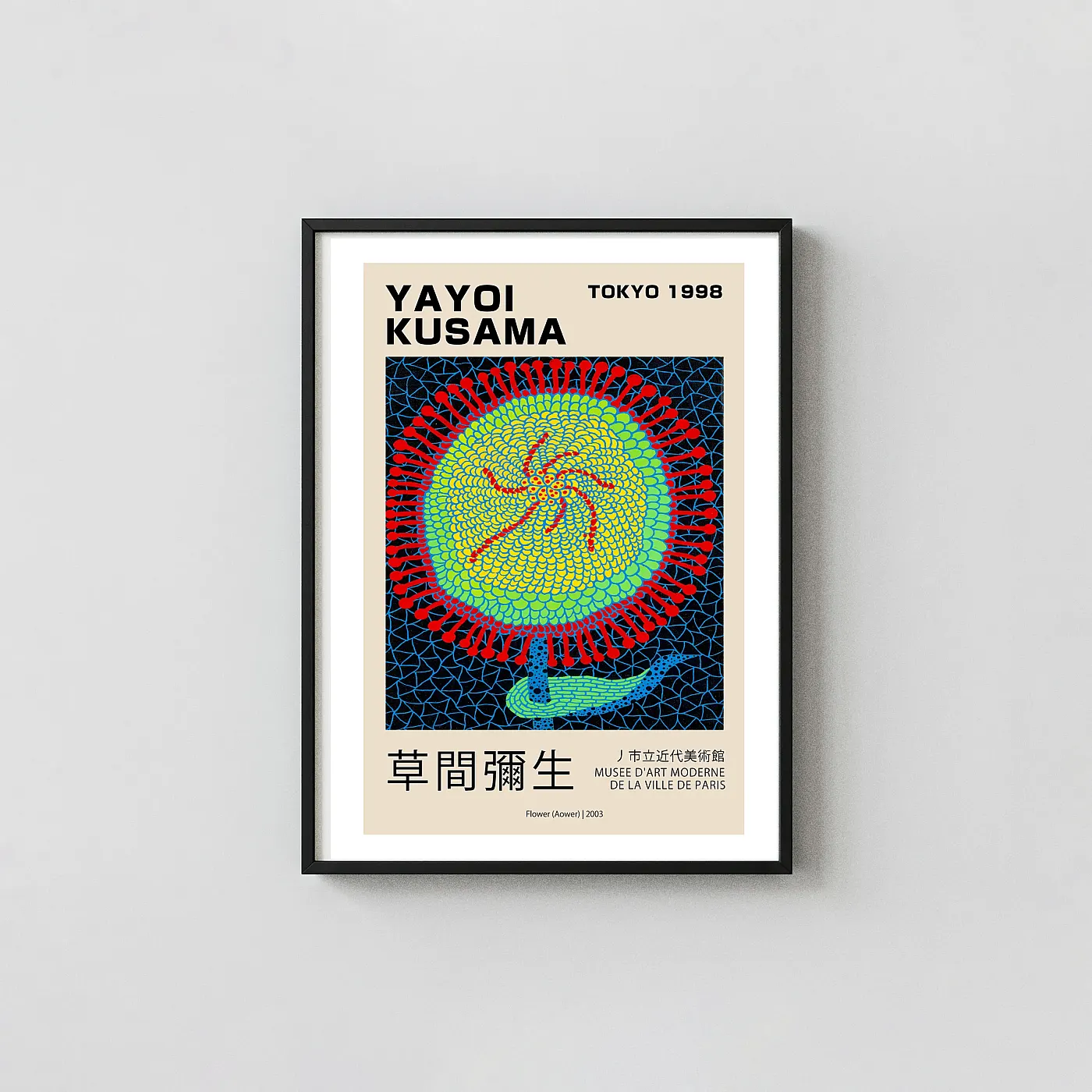
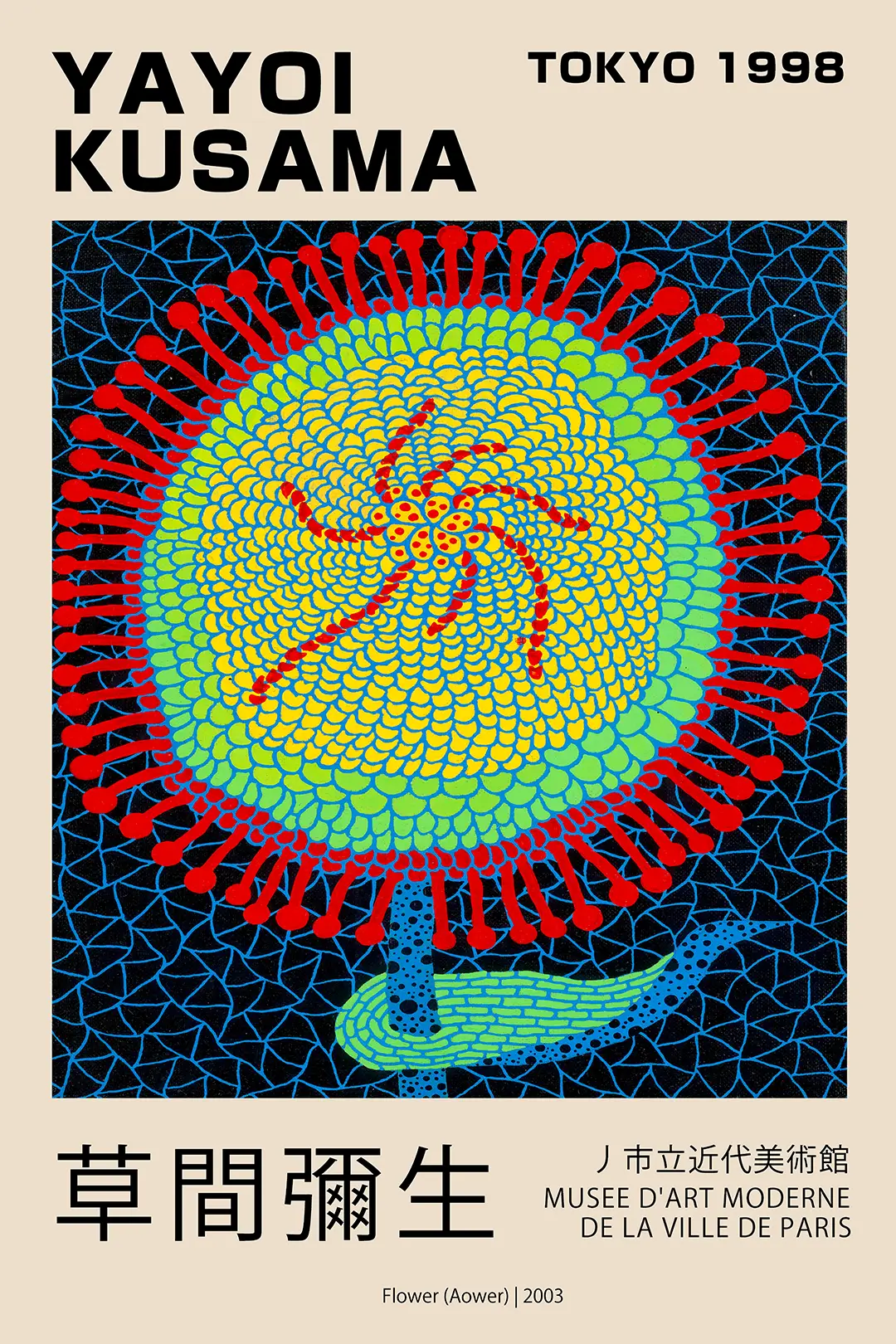
Yayoi Kusama flower print - Tokyo 1998 Exhibition Gallery Poster
Price range: $3.90 through $74.90Select Options This product has multiple variants. The options may be chosen on the product page -
Abstract Art Prints
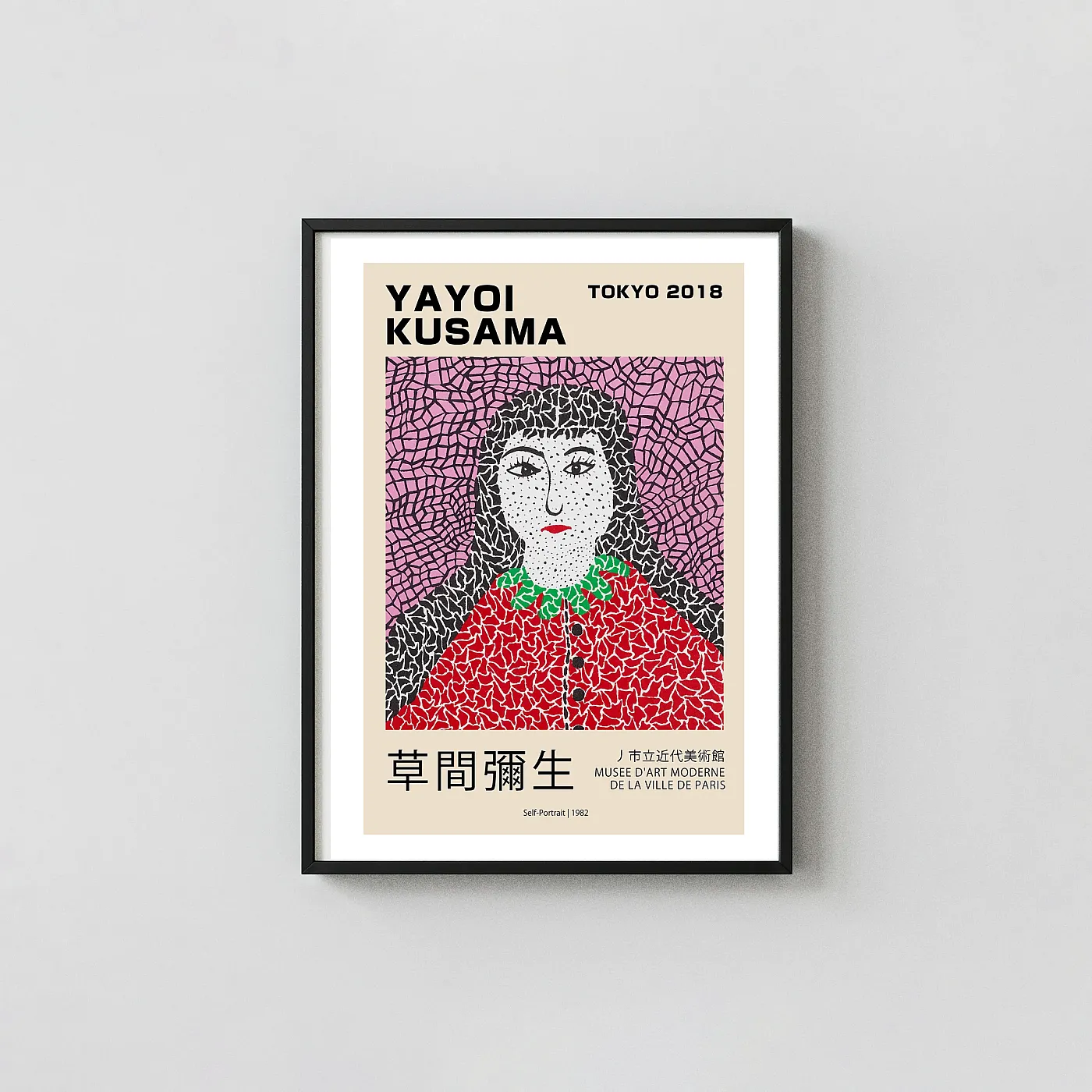
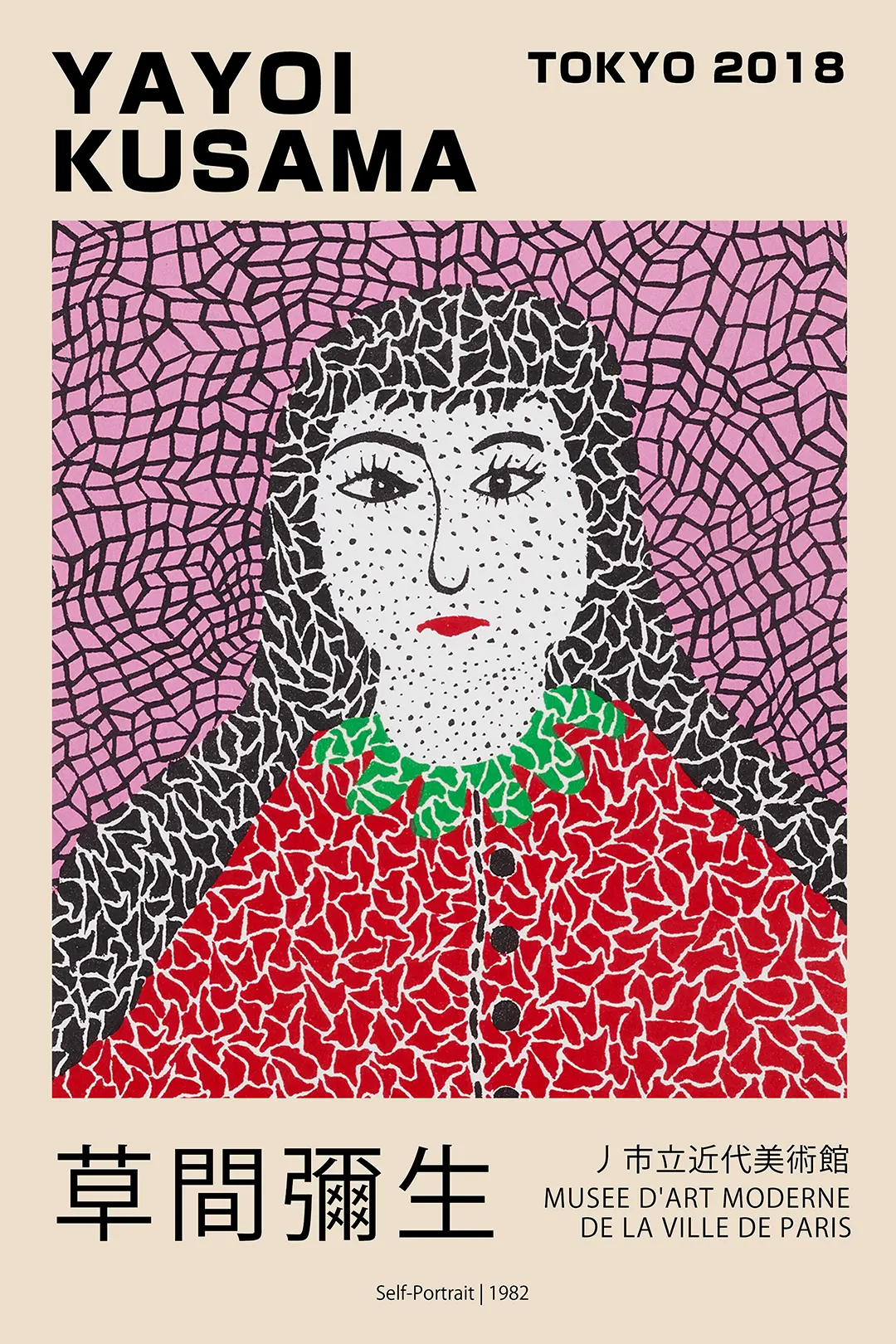
Yayoi Kusama Poster - 1982 Self Portrait Japanese Exhibition Wall Art
Price range: $3.90 through $74.90Select Options This product has multiple variants. The options may be chosen on the product page -
Abstract Art Prints
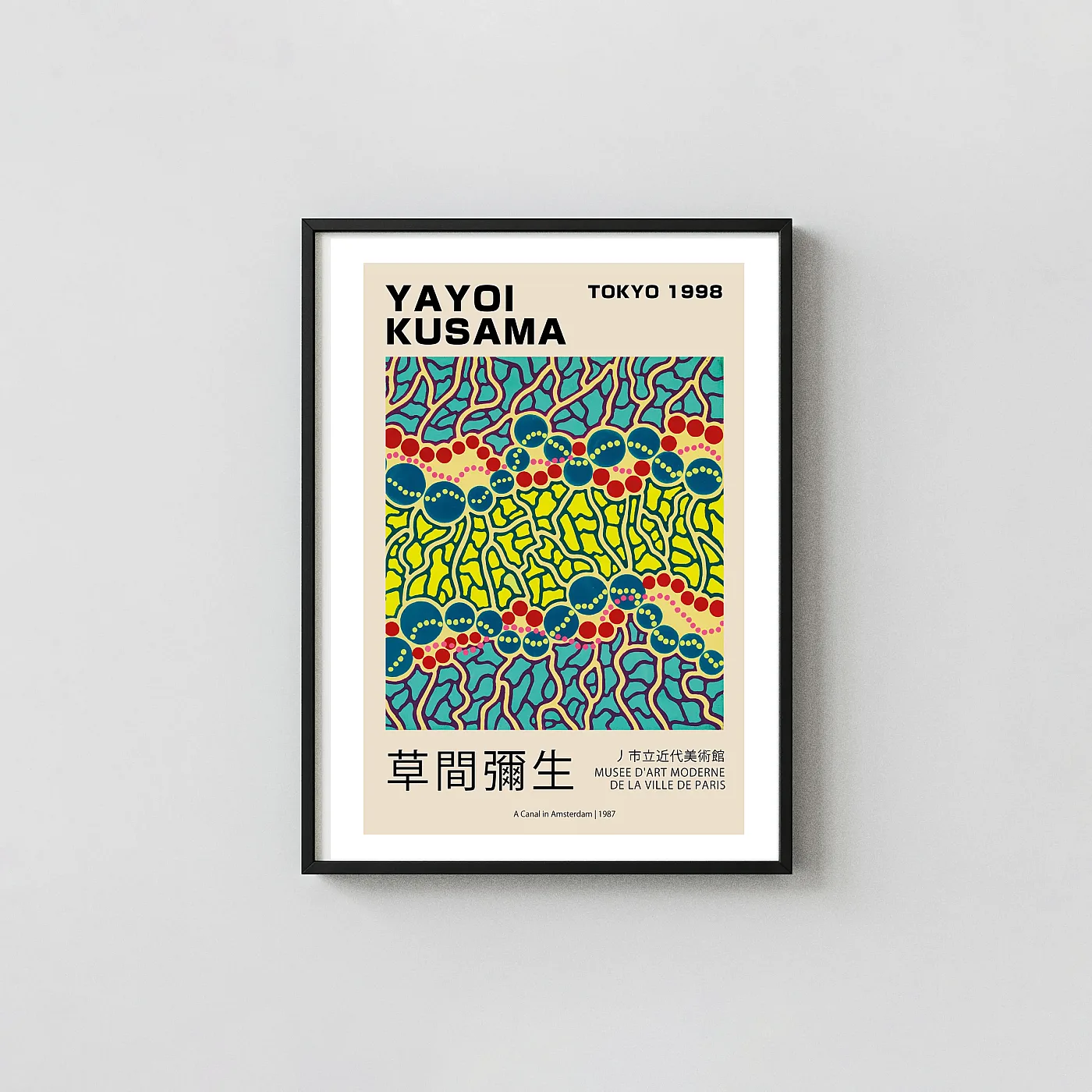
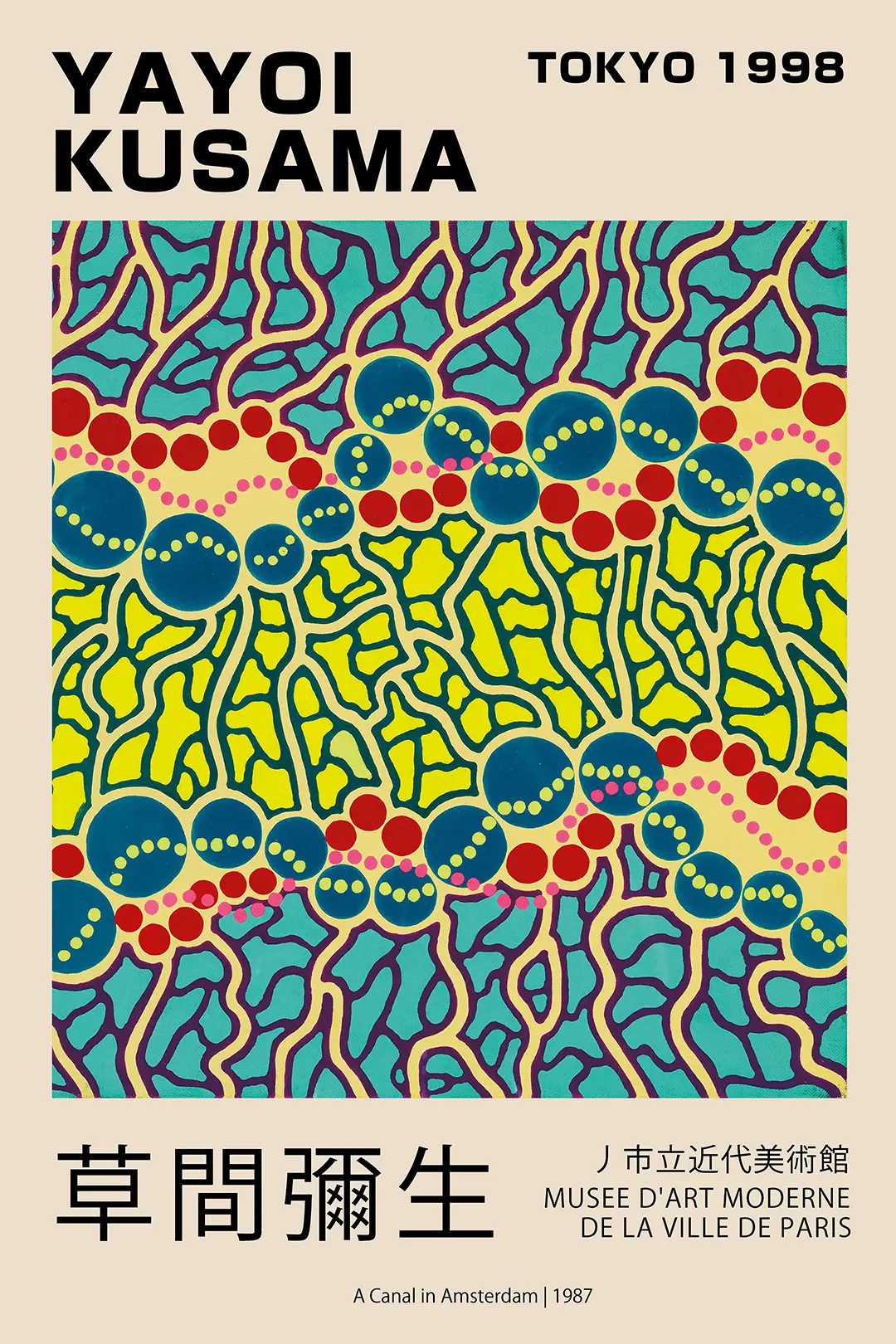
Yayoi Kusama poster - A Canal in Amsterdam 1987 Tokyo Exhibition Print
Price range: $3.90 through $74.90Select Options This product has multiple variants. The options may be chosen on the product page -
Abstract Art Prints
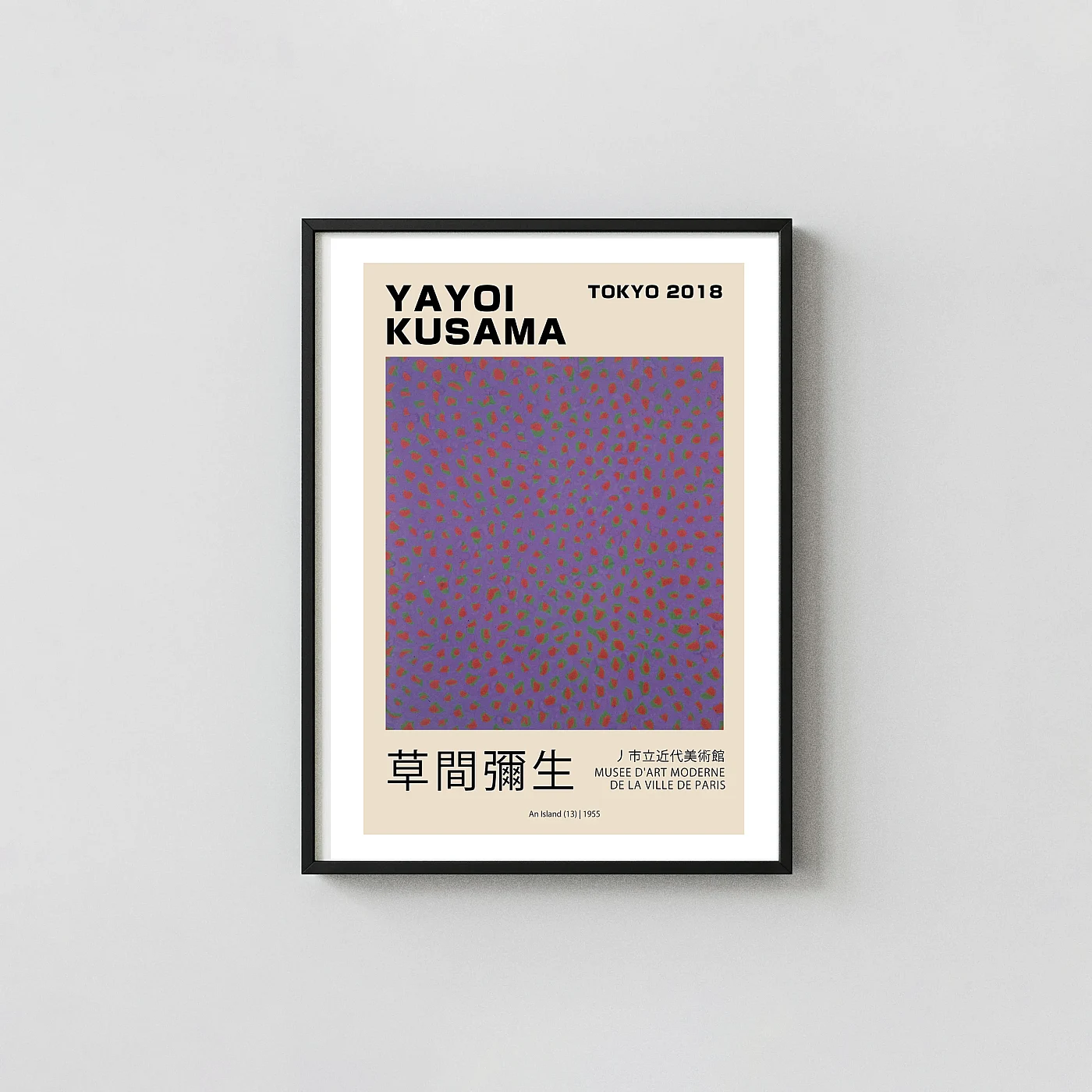
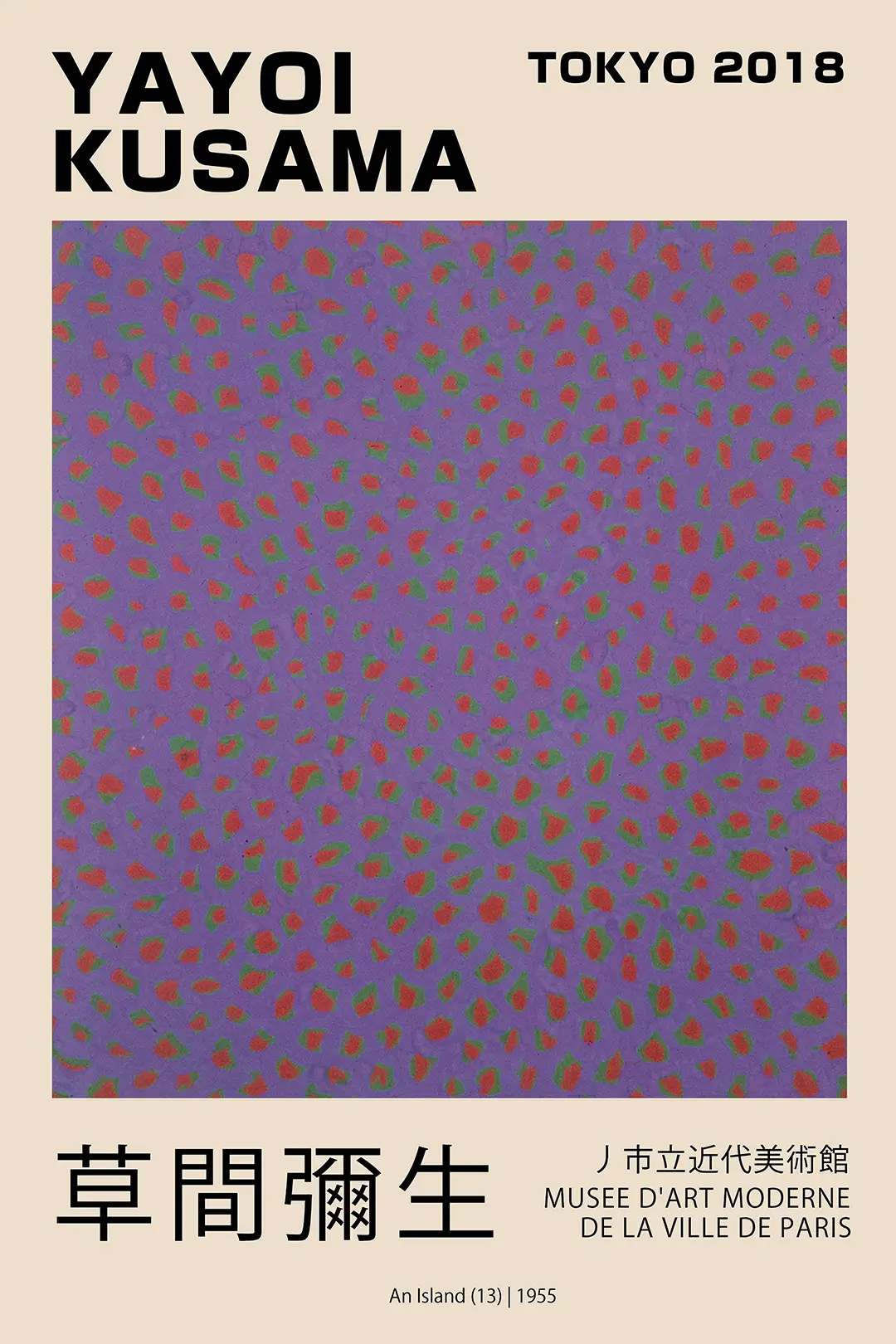
Yayoi Kusama poster - An Island 13 Tokyo 2018 Exhibition Art Print
Price range: $3.90 through $74.90Select Options This product has multiple variants. The options may be chosen on the product page -
Abstract Art Prints
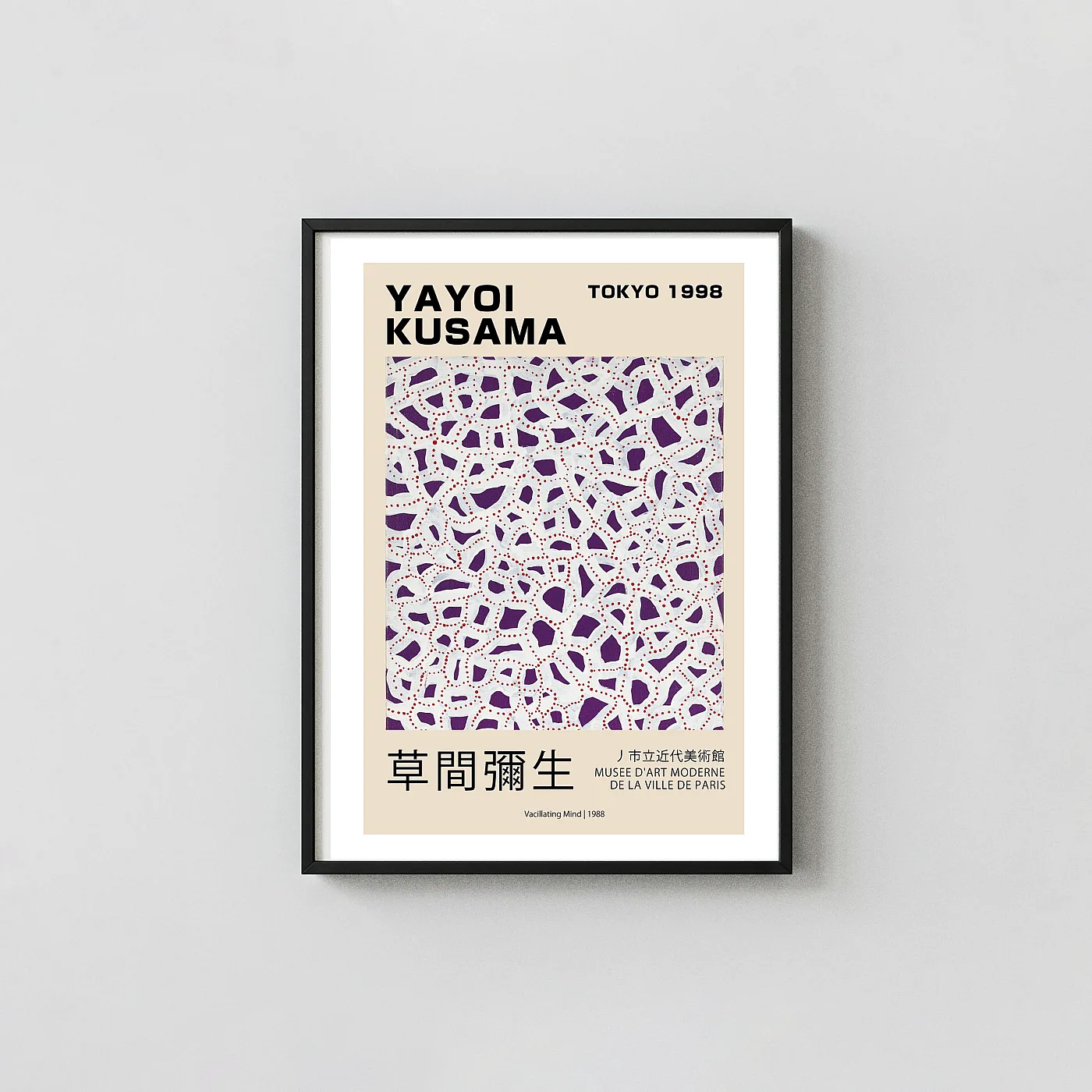
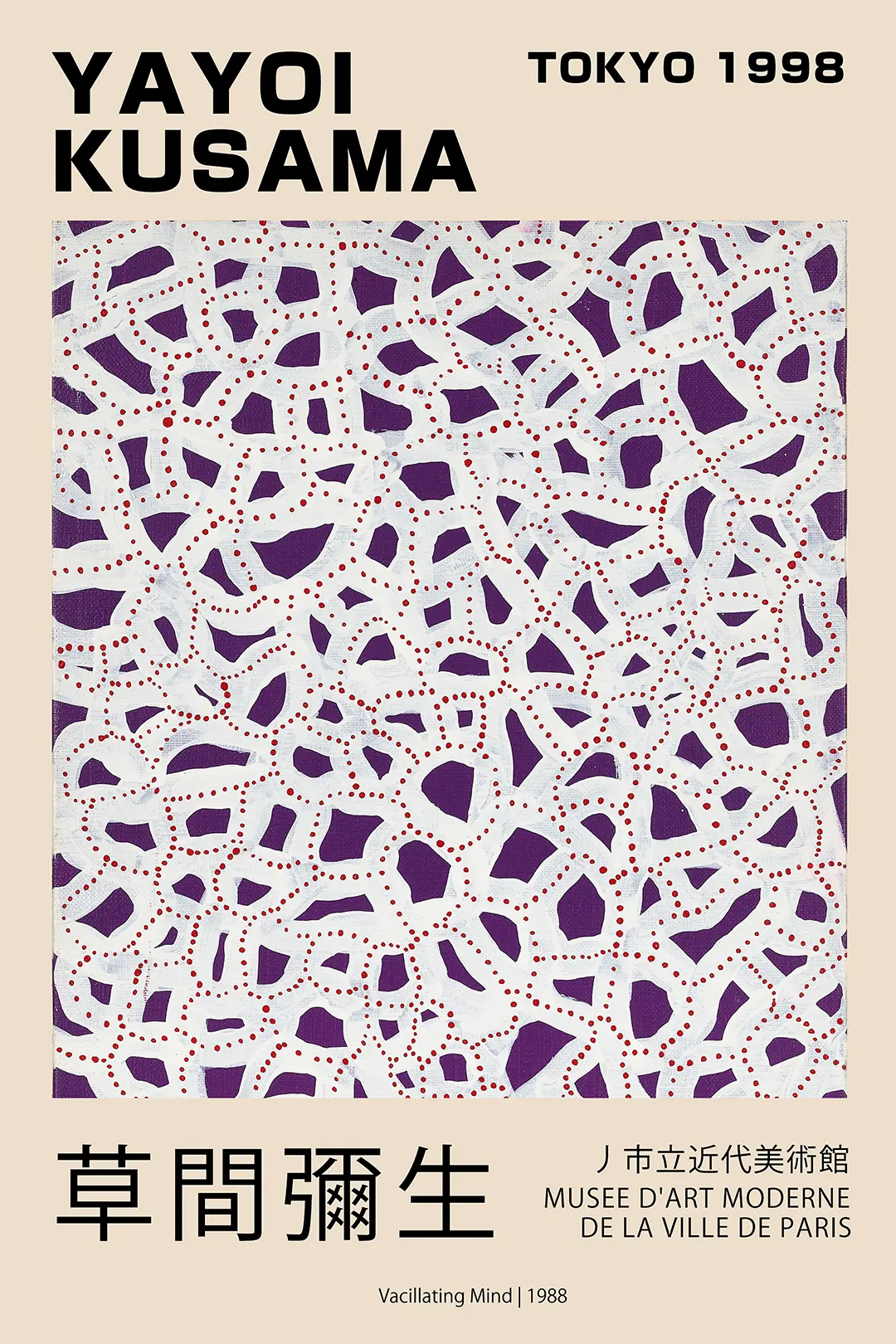
Yayoi Kusama poster - Authentic 1988 Vacillating Mind Exhibition Print
Price range: $3.90 through $74.90Select Options This product has multiple variants. The options may be chosen on the product page -
Abstract Art Prints
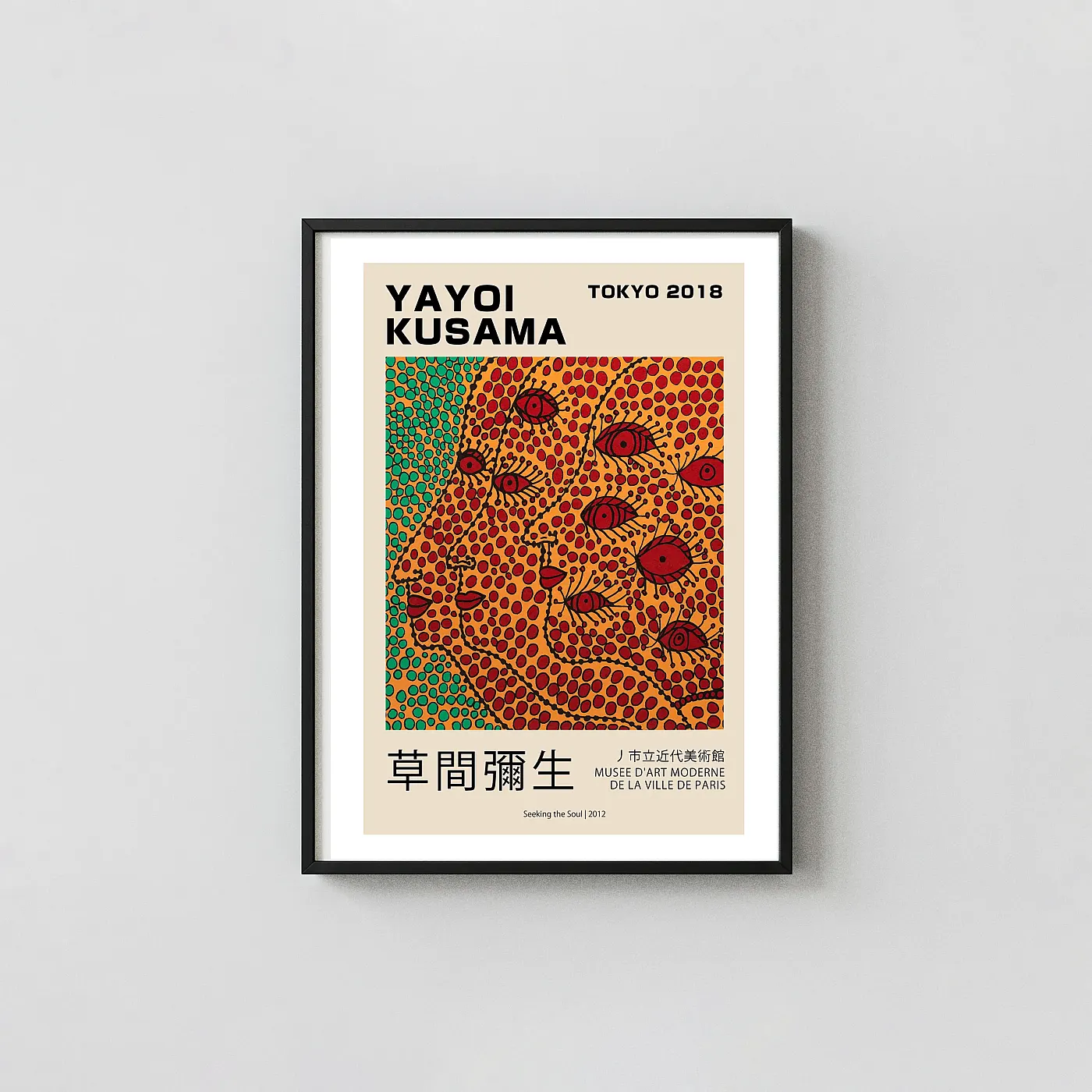
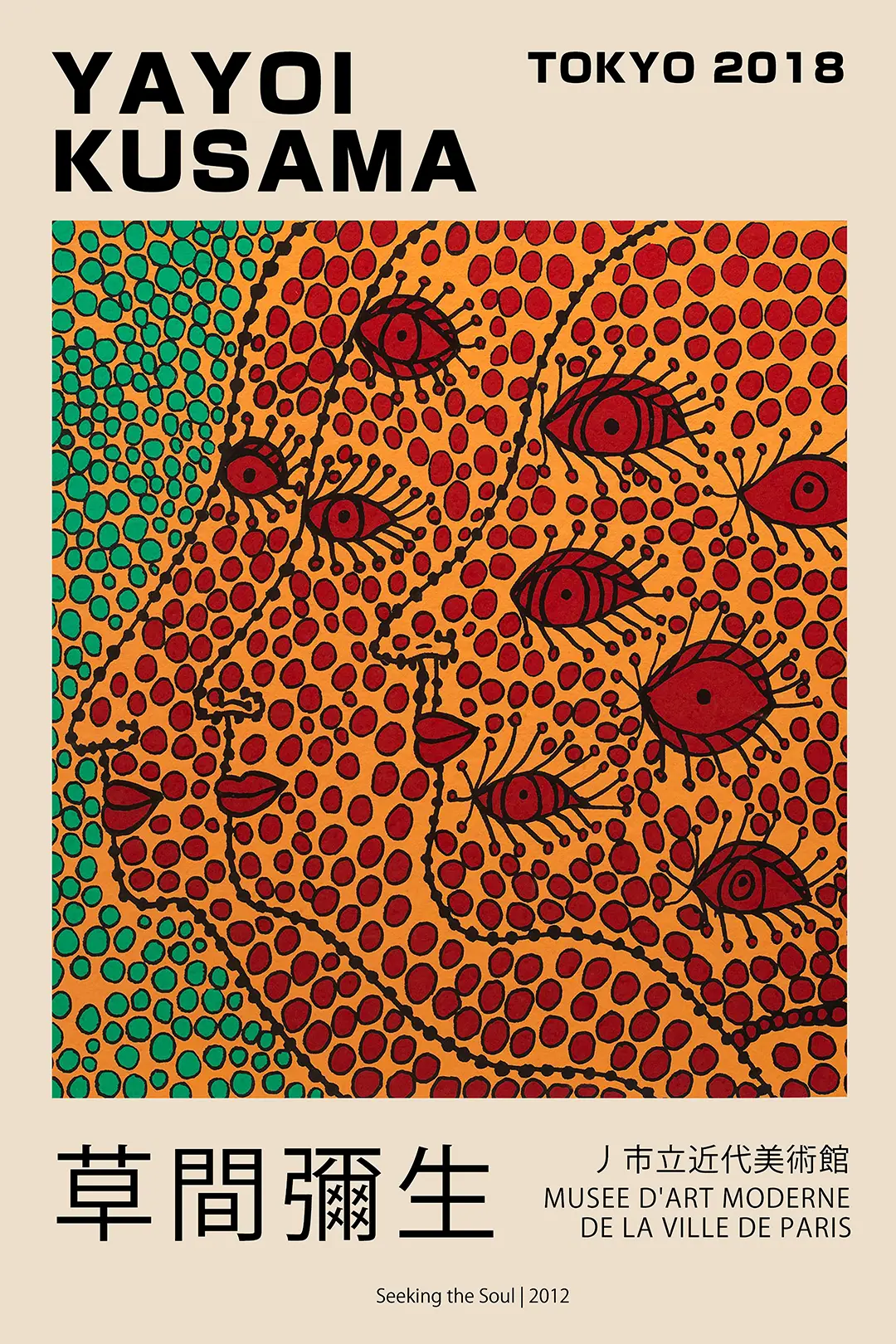
Yayoi Kusama Poster - Authentic 2018 Tokyo Seeking the Soul Wall Art
Price range: $3.90 through $74.90Select Options This product has multiple variants. The options may be chosen on the product page -
Abstract Art Prints
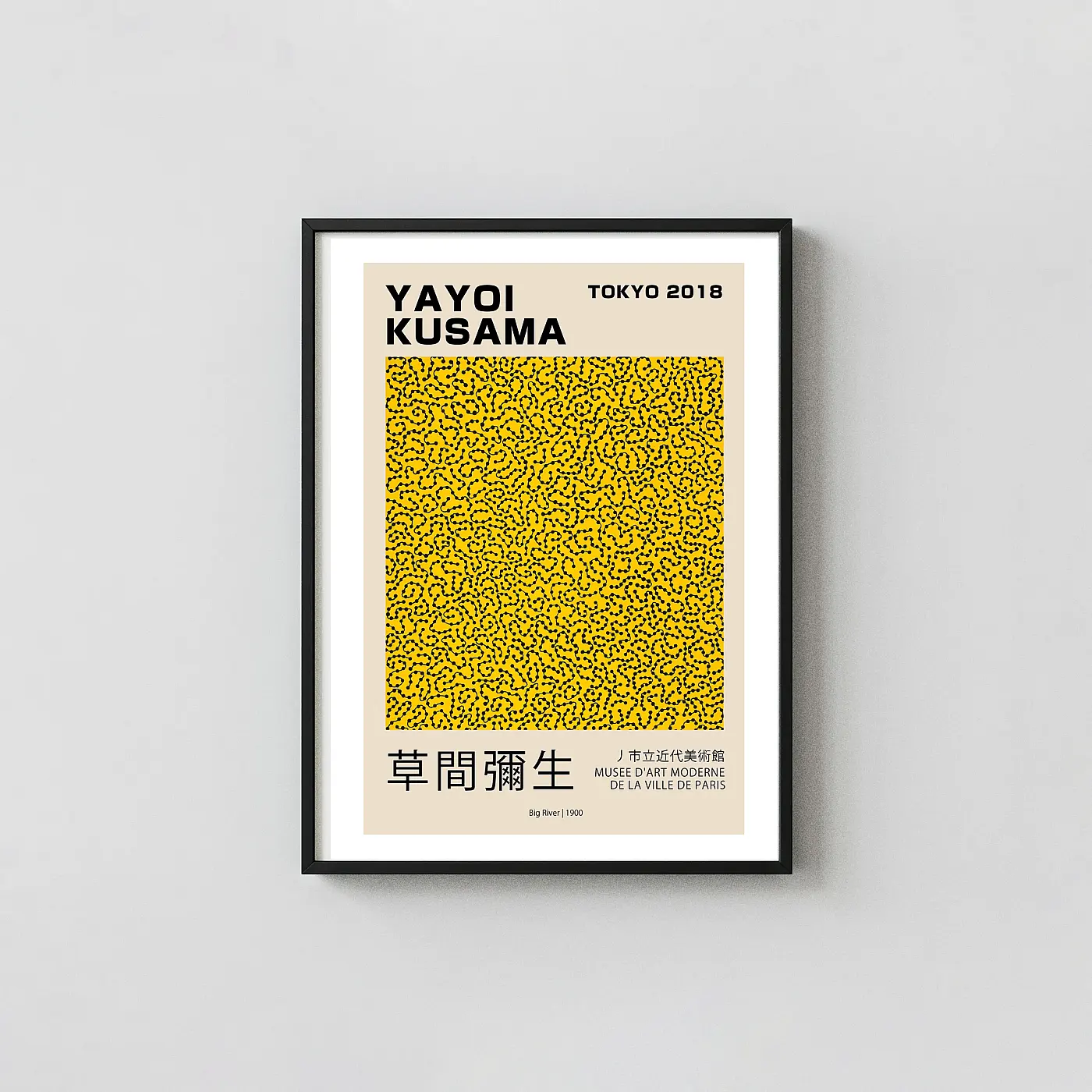
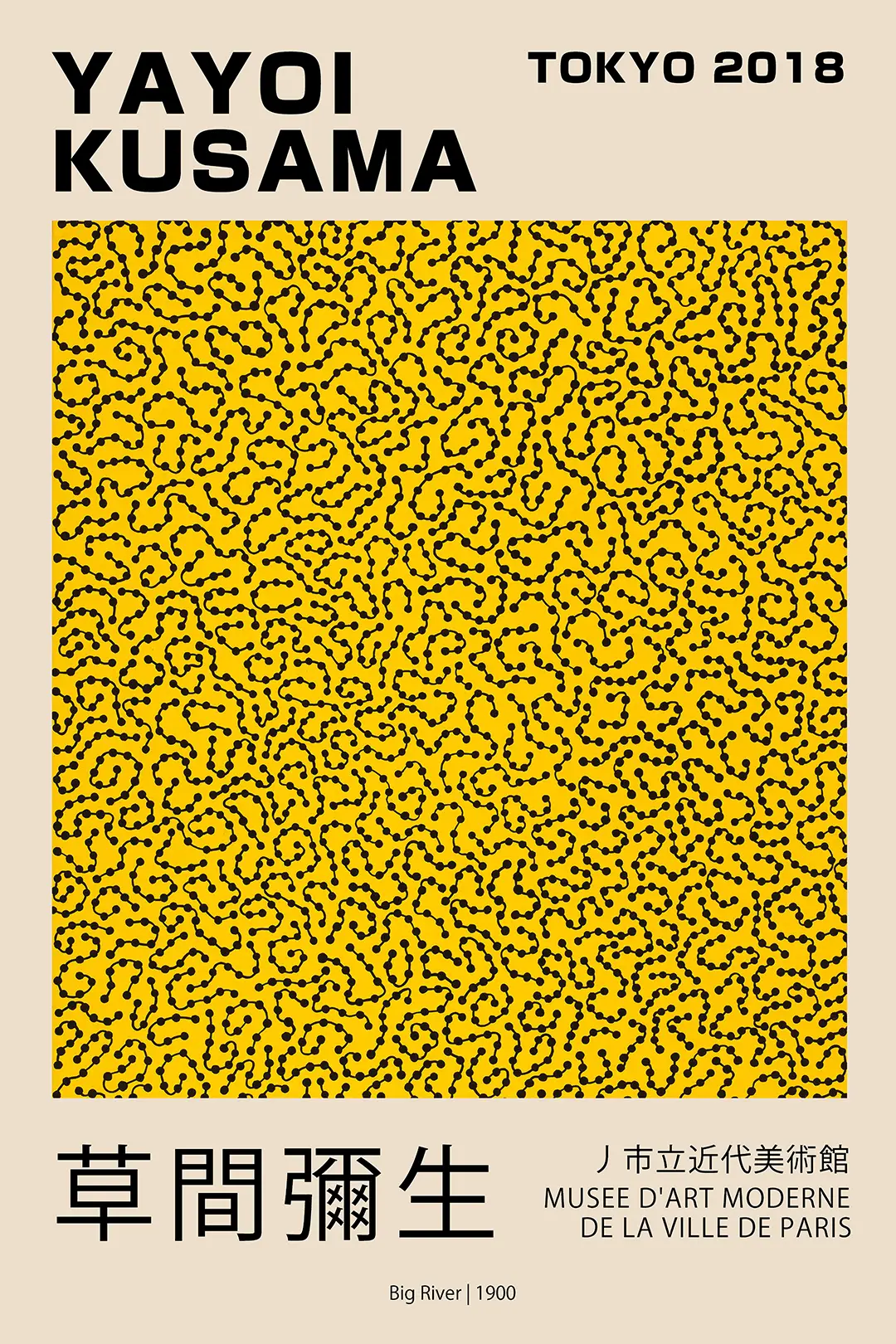
Yayoi Kusama poster - Authentic Big River 1900 Tokyo 2018 Exhibition Art
Price range: $3.90 through $74.90Select Options This product has multiple variants. The options may be chosen on the product page
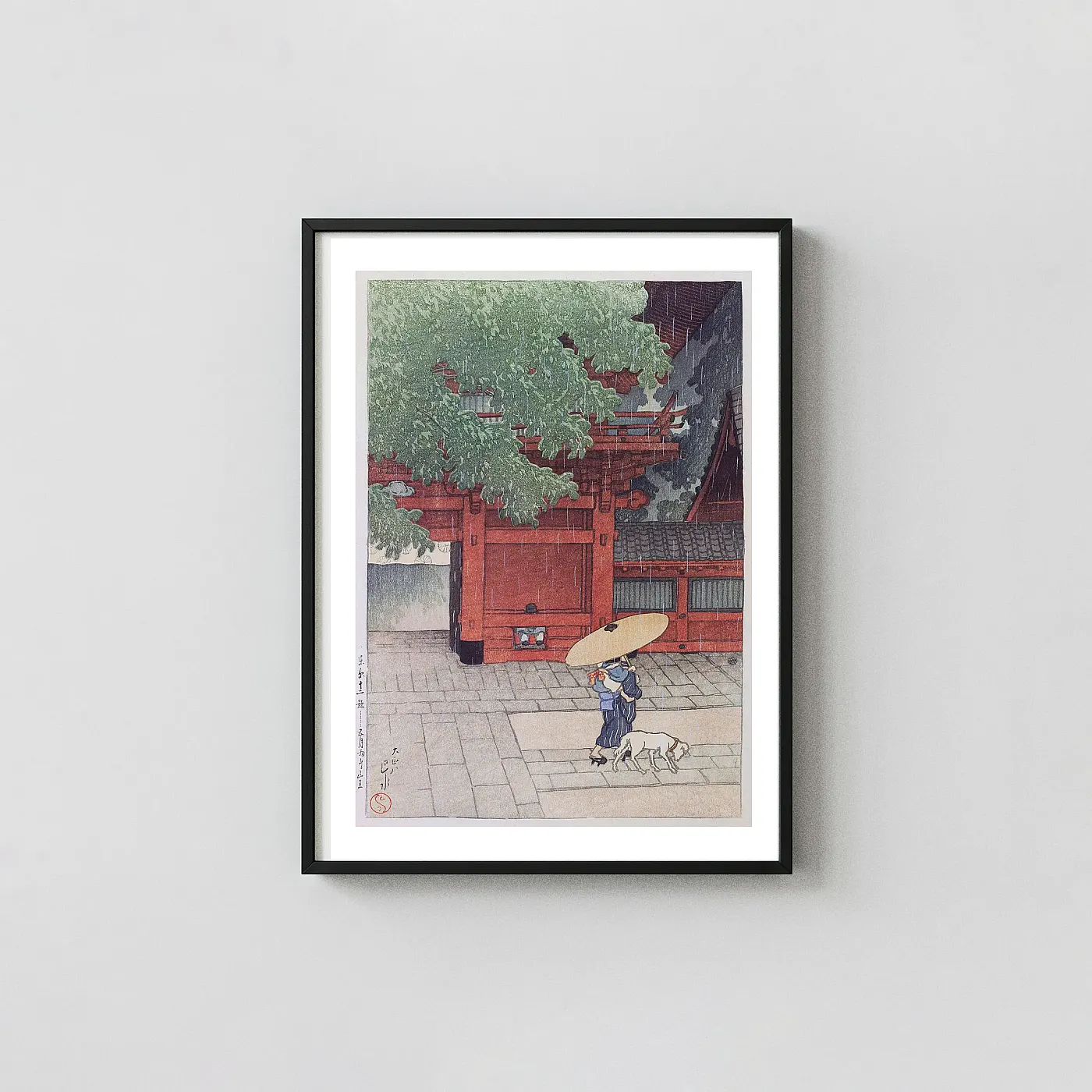
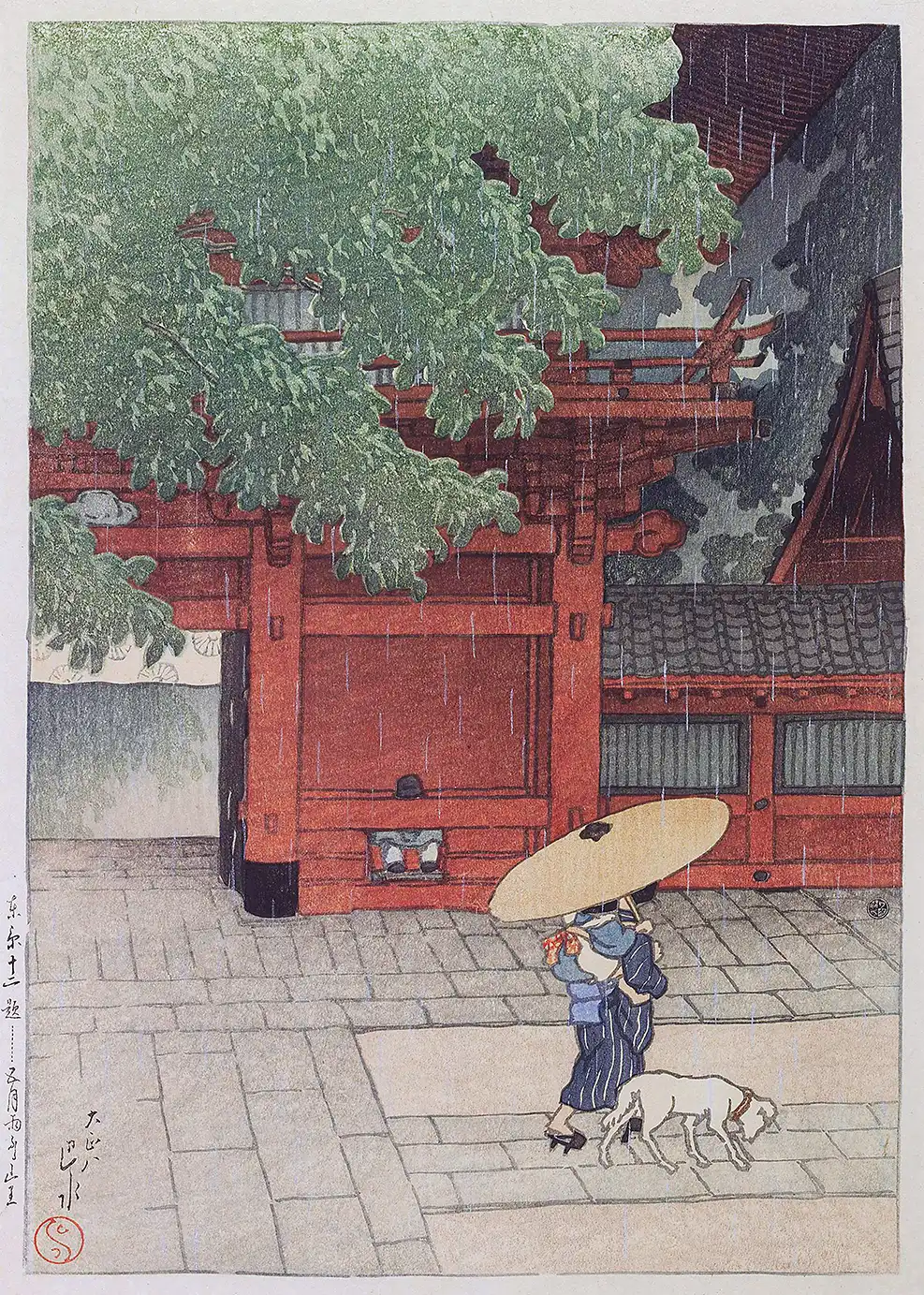
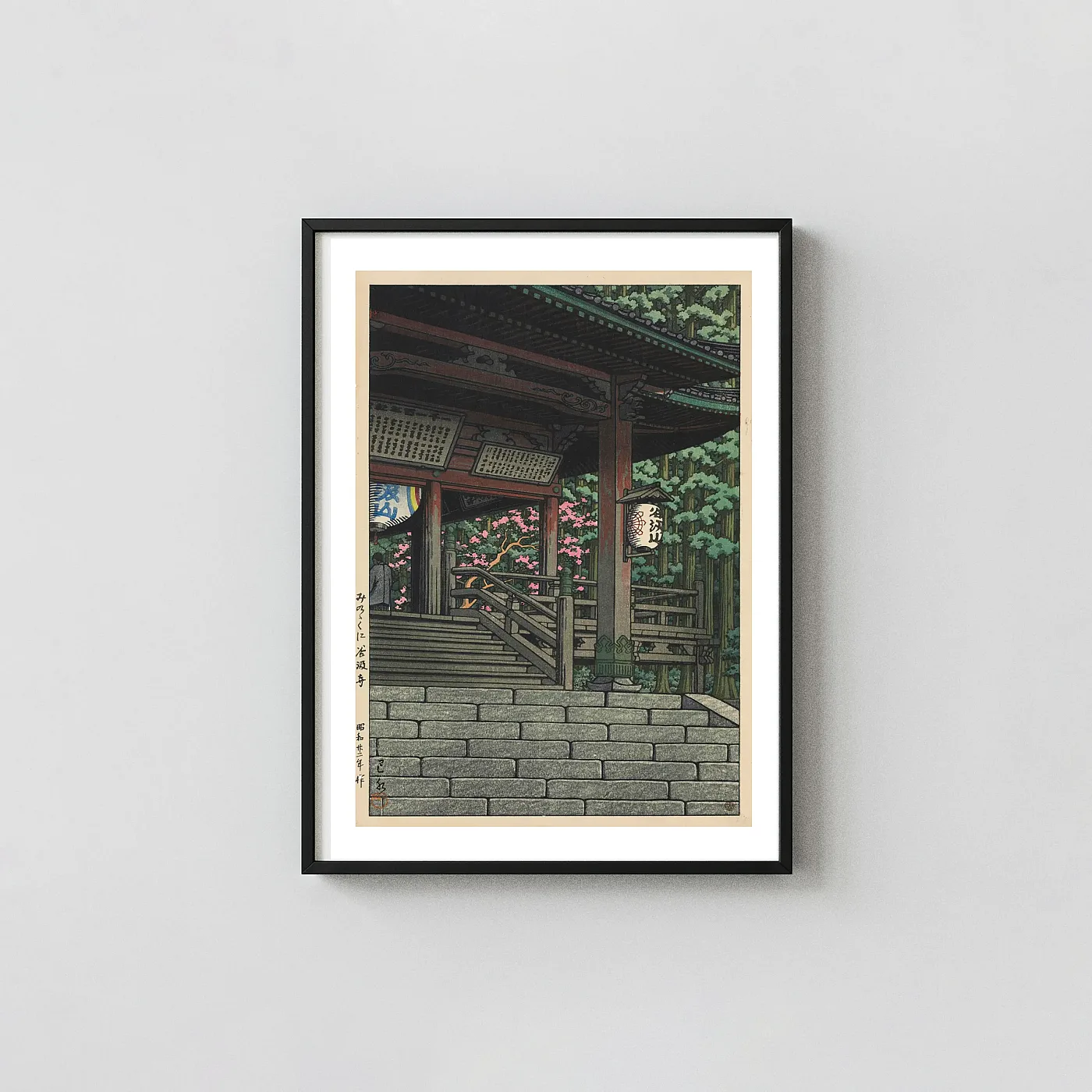
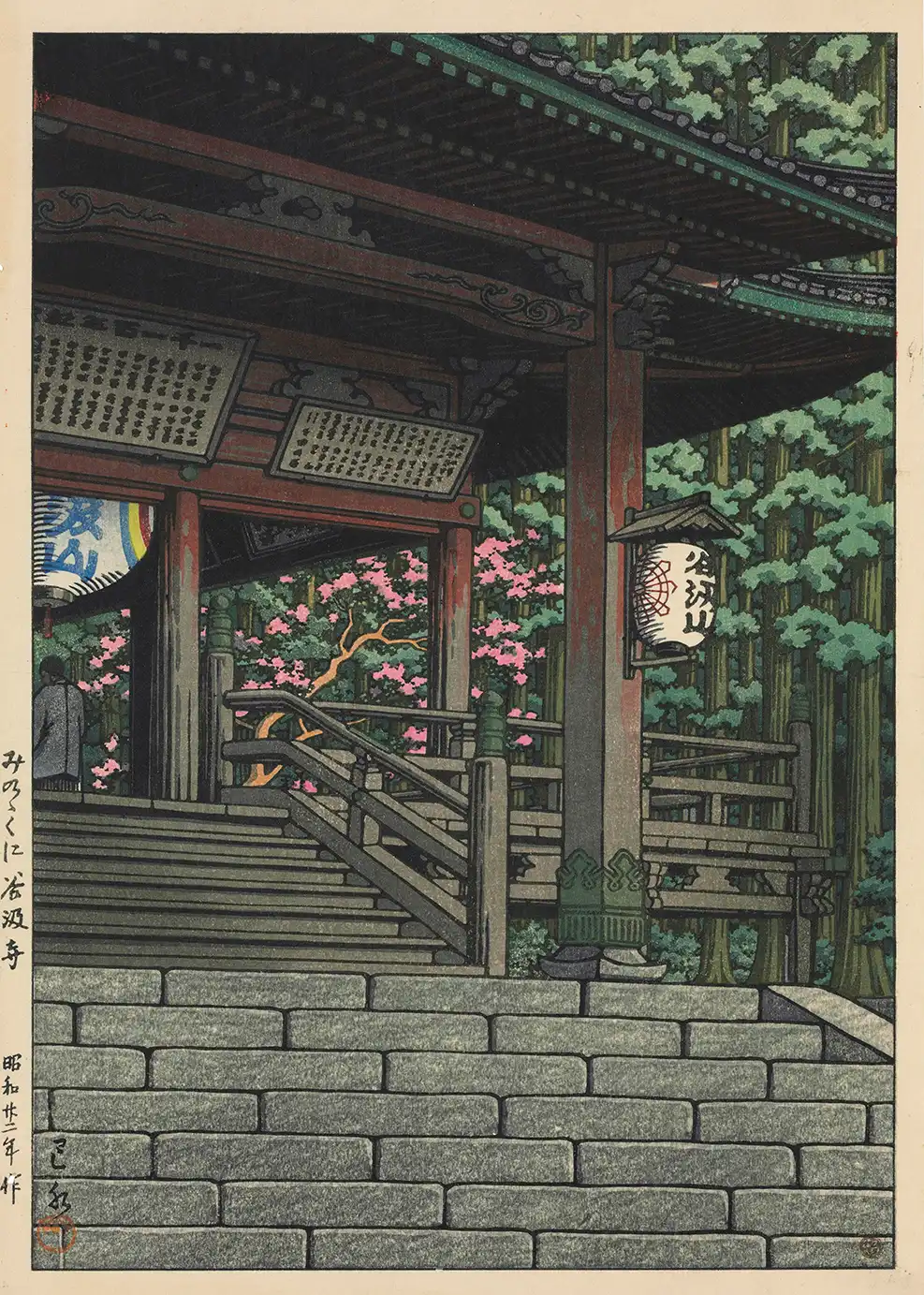
Japanese Woodblock Prints for Shoppers Who Notice Keyblock Line
Japanese Woodblock Prints connect ukiyo-e tradition, shin-hanga atmosphere, landscapes, birds, flowers, actors, and the graphic strength of carved line. Look for flat color, keyblock line, and landscape and kachō-e motifs; those details are what separate this page from a mixed assortment of unrelated prints.
Japanese Woodblock Prints are helpful when a buyer needs to compare taste, scale, and recognition before committing to one print. It suits collectors who want calm structure, craft history, and Japanese visual rhythm. Current MerchFuse examples include Claude Monet ‘Bridge over a Pond of Water Lilies’ Poster – Impressionist, Claude Monet’s La Japonaise (1876) Poster Impressionist, and Claude Monet’s “The Japanese Footbridge” (1899) Art Poster Giverny Water Lilies, so the page speaks through real catalog context, not filler copy.
Making Room for Keyblock Line for Japanese Woodblock Prints
Start with black, walnut, or pale oak frames and leave enough border around the image for flat color to read clearly. A single large print works when the subject has a strong center; a pair or trio works better when the appeal comes from rhythm, repetition, or a shared period mood.
- Flat Color: This is the first cue a shopper will read from across the room, so it should not be crowded by a competing frame or nearby print.
- Keyblock Line: Use this detail to decide whether the print needs quiet space, a symmetrical pair, or a tighter gallery grouping.
- Landscape and Kachō-E Motifs: This gives the category a practical comparison point when the visitor is moving between adjacent MerchFuse collections.
Where Art Prints, Kawase Hasui Prints Fit Beside This Page After Japanese Woodblock Prints
Shoppers building a more connected wall can move from Japanese Woodblock Prints into Art Prints, Kawase Hasui Prints, Yayoi Kusama Prints, Abstract Art Prints; for a broader second layer, compare Modern Art Prints, Exhibition Posters, Landscape Art Prints, Flower Art Prints, Ohara Koson Prints, Bird Art Prints, Impressionist Art Prints, and Claude Monet Paintings. The point is not to jump randomly around the catalog, but to keep the next click close to the same visual problem: period, subject, mood, or format.
Japanese Woodblock Prints FAQ
Which visual clues make Japanese Woodblock Prints easier to narrow down?
Start here when flat color, keyblock line, or landscape and kachō-e motifs is the detail that matters most. The category narrows the search enough to compare mood, subject, and scale without forcing you to open every print in the wider catalog.
Which frame style works best with the look of Japanese Woodblock Prints?
Black, walnut, or pale oak frames usually support the subject without competing with it. Smaller sizes work well in pairs or narrow spaces; larger sizes such as 18×24, 20×30, and 24×36 inches are better when the image has a strong center, readable type, or a dramatic silhouette.
How can Japanese Woodblock Prints feel curated rather than random?
Yes. Keep one rule consistent: frame finish, color temperature, period, or subject family. That lets Japanese Woodblock Prints sit beside other prints while still looking chosen rather than assembled at random.
What should I compare after browsing Japanese Woodblock Prints?
Compare Art Prints, Kawase Hasui Prints, Yayoi Kusama Prints and Abstract Art Prints next. Those routes keep the search connected to the same visual family while giving you a different angle on era, subject, artist, or display style.